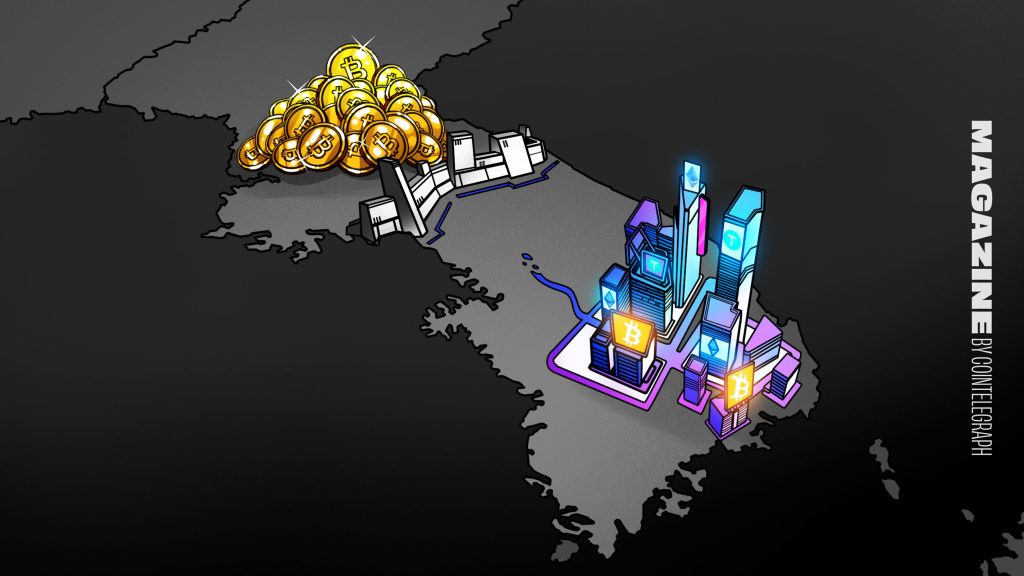
In Seoul, crypto is loud and hard to ignore. In Pyongyang, it moves in silence, but its impact spreads far beyond the country’s closed borders.
The two Koreas are among the most influential countries in crypto today, but for opposite reasons. South Korea drives markets through retail participation, culture and politics.
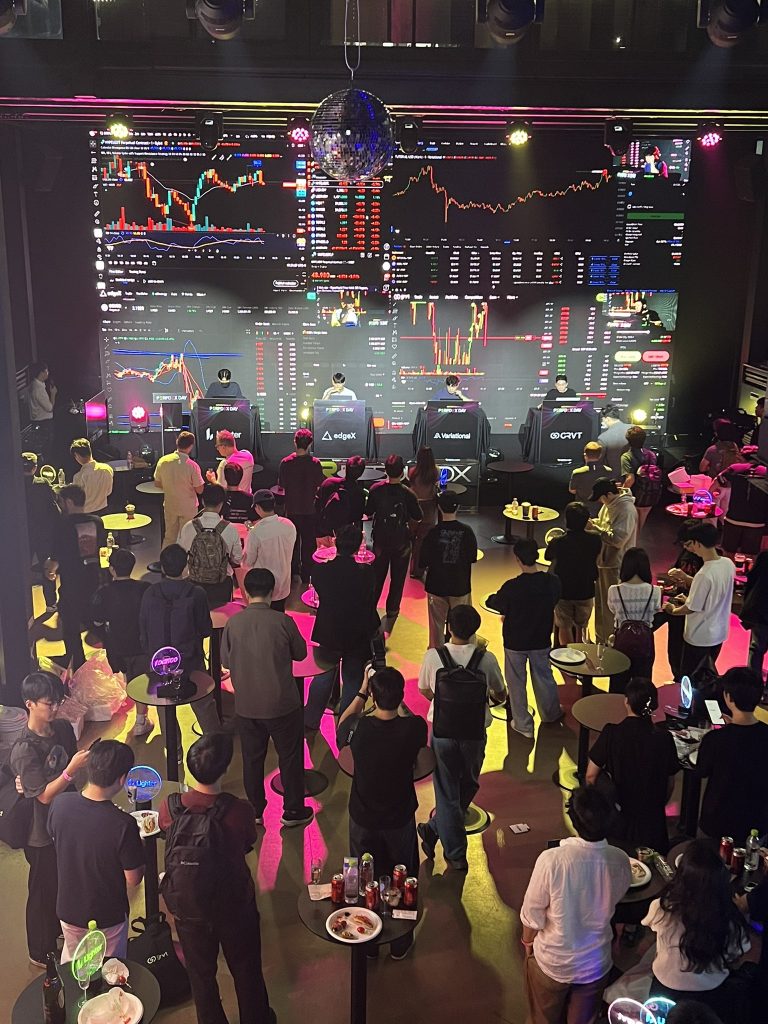
Meanwhile, its secretive neighbor up north extracts billions in crypto through cyber operations. Its state-backed hackers are leading suspects in some of the industry’s most damaging incidents.
North Korea’s influence is invisible by design. Crypto is not speculation or innovation in the communist dictatorship, but infrastructure that allows a sanctioned state to move money outside the traditional financial system.
It was attributed to $2.02 billion in crypto theft last year. While the country does not publish official GDP figures, the United Nations estimates its 2023 GDP at around $15 billion-$17 billion, putting crypto theft at roughly 13.5% of the total.
Crypto is the golden ticket for younger professionals in South Korea
Crypto in South Korea spread through habits that already existed. John Park, Arbitrum Foundation’s head of Korea, traces the domestic industry’s roots to the late 1990s, when the country became one of the first to adopt nationwide high-speed internet.
“People learned to absorb information very quickly, and the internet became a source of data, community and culture. That did not start with crypto, but crypto fits neatly into that system,” Park tells Magazine.
He argues that another accelerant was a fascination with wealth. Money sits high in South Korea’s hierarchy of values, and news of financial success travels as fast as any other.
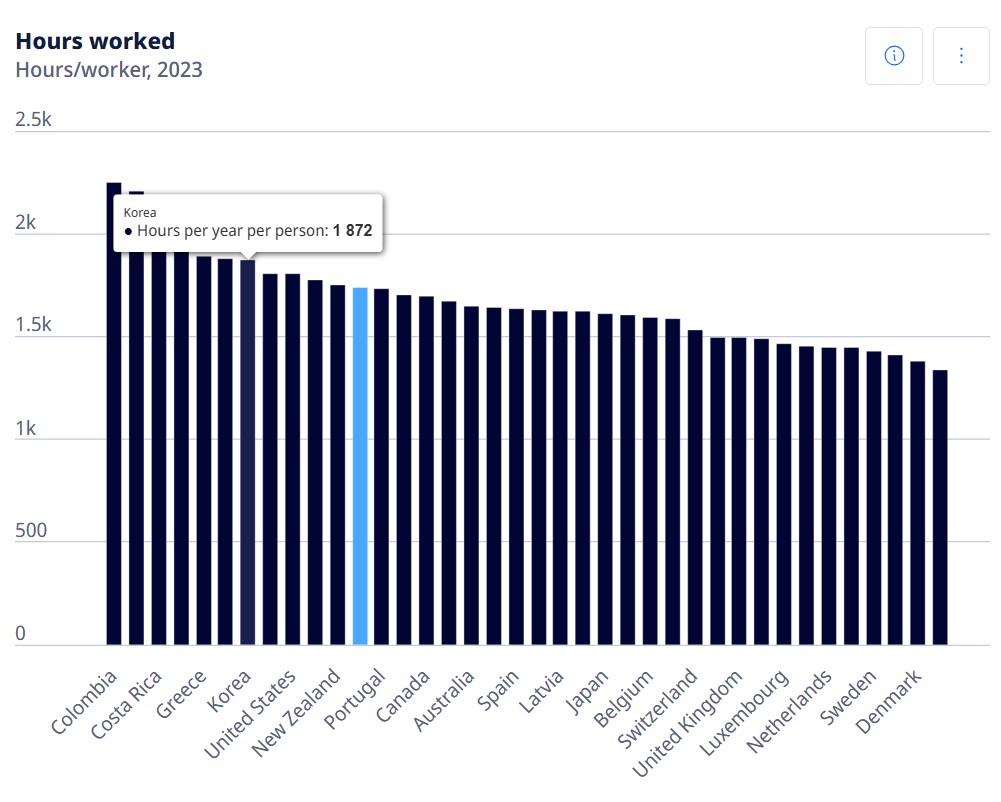
When combined with the nation’s economic reality of long work hours, predictable career paths and limited upside, crypto started to look like a way out of the rat race.
What began as a speculative market became an electoral priority in 2022. Ex-president Yoon Suk Yeol won the election after adopting crypto-friendly promises aimed at Gen Z and Millennial voters, including support for metaverse development, reversing the ICO ban and pursuing a comprehensive crypto law.
Yoon’s presidency was cut short after a botched declaration of martial law, before legislative talks could advance. The metaverse hype fizzled.
But in the subsequent snap election, crypto again emerged as a key issue for courting younger professionals among all major candidates, including eventual president Lee Jae Myung. So, the local industry would end up with a crypto-friendly administration regardless of who won.
Terra crashed, but Koreans survived the landing
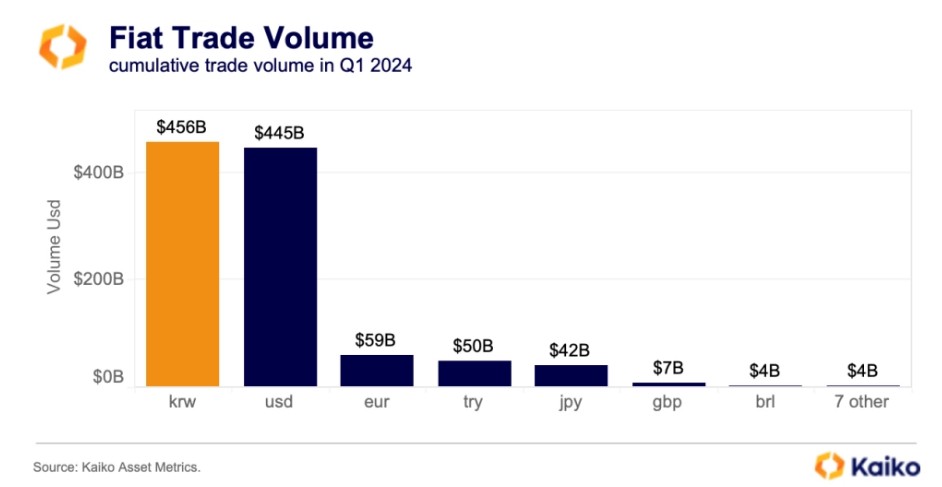
Today, South Korea’s crypto influence shows up in won-denominated trading volumes that at times rival or surpass the US dollar.
Park points to the rise of Terraform Labs’ cryptocurrency Luna and its 2022 collapse as a turning point. It was founded by South Korean national Kwon Do-hyung (better known as Do Kwon), who was recently sentenced to 15 years in prison after pleading guilty to US fraud charges.
“Before it failed, Luna was the pride of our community,” Park says. “It was the first time people looked at South Korea as a serious country that could build a world-class crypto product.”
Terra was indeed “world-class,” but for different reasons than its supporters initially thought. The implosion of the Singapore-incorporated company became one of the main shocks that led to cascading bankruptcies and a prolonged crypto winter.
At home, the incident was seen as a national disgrace, and it accelerated policy discussions. South Korea’s crypto user protection law took effect in 2024. Regulators are now working toward a broader regulatory framework, though coordination between the government, central bank and industry has slowed progress.
Still, retail enthusiasm and improving regulatory clarity have been enough to draw capital and talent. Venture firm a16z, which described South Korea as the “second-largest crypto market,” recently opened its Asia-Pacific go-to-market office in Seoul.
Solana has built a Korea-focused ecosystem presence with local teams and structured community programs. Similar dynamics are visible across other ecosystems, including LayerZero, Aptos and Arbitrum, the latter of which is locally led by Park. Hashed, one of the nation’s top crypto backers, recently launched its own blockchain for a won-backed stablecoin, a category that is gaining traction among traditional finance conglomerates and banks.
Together, retail-dominated volumes, political durability and a growing local presence have made South Korea a structurally important crypto market even after Terra.
The peninsula’s split reappears in crypto
After Japan’s surrender in World War II, outside powers divided the Korean Peninsula. By 1948, two states aligned with opposing blocs of the Cold War — the north with the Soviet Union and the south with the US.
The Korean War from 1950 to 1953 ended without a peace treaty. From that point on, the two Koreas developed under fundamentally different constraints.
South Korea rebuilt by tying its survival to trade, exports and global markets.
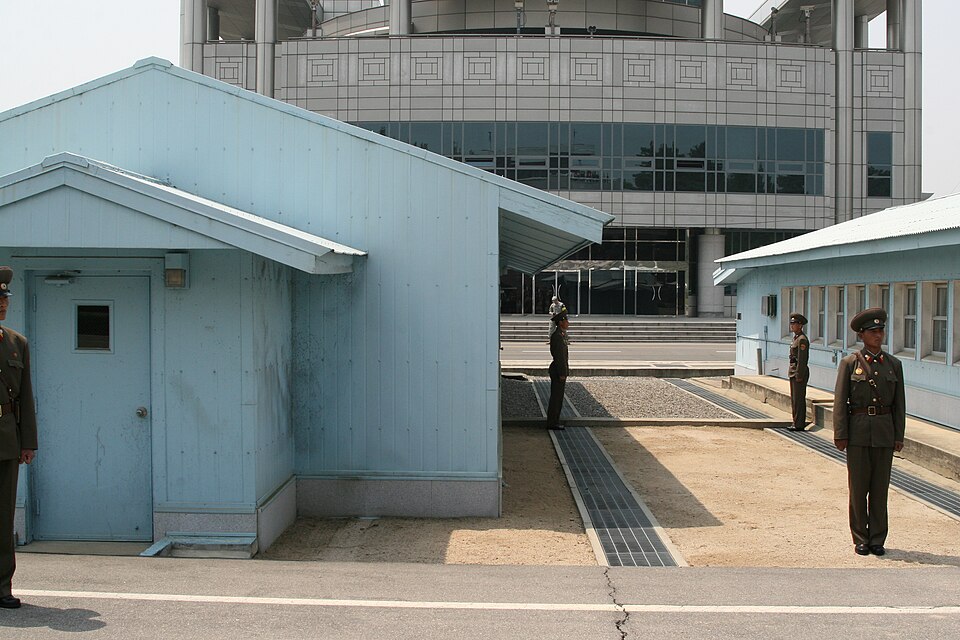
North Korea moved in the opposite direction, and isolation became a governing principle. Money became a vulnerability. Acquiring it, moving it and concealing its origin turned into matters of the regime’s survival.
Crypto was not around when this division was created, but it is still reflected in the global markets.
“Crypto is infrastructure for North Korea,” Heechang Kang, chief strategy officer of blockchain research company Four Pillars, tells Magazine. “It lets a sanctioned state move money without banks or intermediaries.”
A UN Security Council report in 2024 claimed that its crypto hacks are used to fund its weapons of mass destruction program.
The hermit kingdom’s state actors are accused of stealing $6.75 billion in crypto, Chainalysis reported in December.
North Korea’s crypto playbook
Kang has experience decoding North Korean signals, though he declined to elaborate on his previous work. But he was willing to share with Magazine some observations. Kang says that North Korea treats cryptography and secure communications as national priorities.
“In terms of cryptographic communication, the top is America [US], and the second is North Korea,” he says. “For them, preventing interception is essential.”
Cryptocurrency theft naturally stems from that system. North Korea has used a range of methods, including deploying operatives to work for crypto or tech companies by deceiving employers and posing as legitimate professionals. They often receive payment in crypto. Unlike one-off hacks, this approach is widely believed to provide a more consistent income stream for the regime.
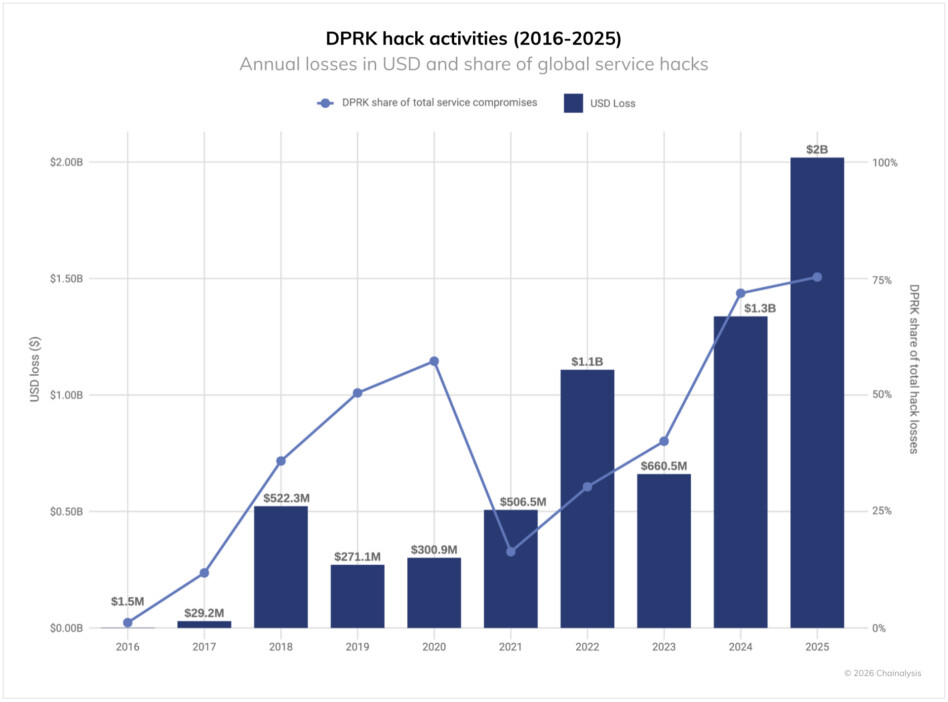
Hacking continues to attract media headlines and influence global regulatory discourse. North Korea’s $1.4-billion exploit against crypto exchange Bybit was reported as the largest in history, though later investigations into other cases complicated that ranking.
The incident also drew the attention of the Financial Action Task Force (FATF), an intergovernmental body often described as the regulator of regulators for its role in assessing global Anti-Money Laundering (AML) and Combating the Financing of Terrorism (CFT) compliance.
In its June 2025 update, the FATF explicitly pointed to North Korea as a major driver of its urgency around crypto oversight. The report points to the growing use of crypto and stablecoins by state actors. It argued that jurisdictions must accelerate implementation and enforcement of Recommendation 15, which calls on countries to treat crypto as regulated financial infrastructure.
Several countries tightened their crypto licensing frameworks and kicked out non-compliant exchanges during the same period that FATF released its June 2025 update.
Kang says North Korea’s cyber and crypto activity should be understood as part of a broader strategy to preserve regime stability, protect existing resources and limit exposure to outside pressure.
Inside South Korea, these operations do not provoke alarm as much as resignation.
“When South Koreans hear about North Korea doing shady things in crypto, most people do not really care,” Kang says. “It is more like, ‘Here it goes again.’”
The crypto irony of the two Koreas
There is an irony in how Korea’s crypto story is unfolding. While North Korea has long relied on isolation and hard borders to earn the name “The Hermit Kingdom,” South Korea’s approach to crypto has quietly produced its own form of isolation.
AML/CFT obligations tie crypto access to domestic accounts, while exchange licensing hinges on exclusive banking partnerships. Together, those rules have limited foreign and corporate participation and have made cross-border arbitrage difficult. The result is a won-based retail market where prices can drift above global averages, also known as the “kimchi premium.”
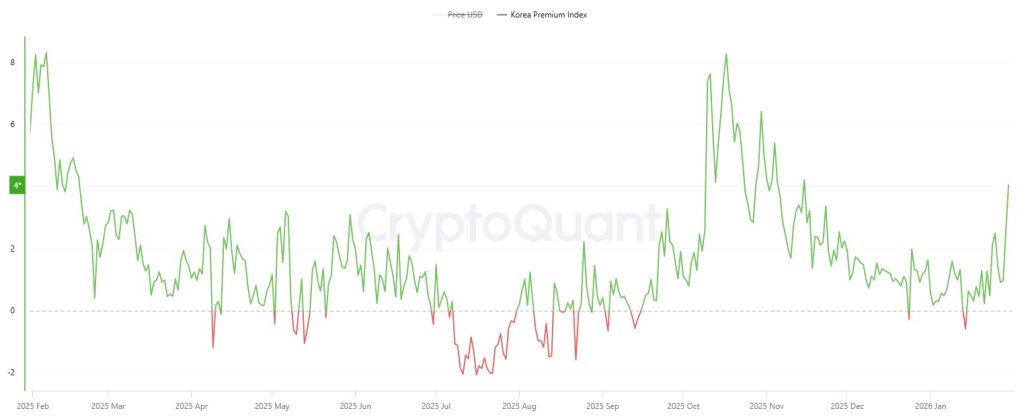
For years, that structure insulated South Korea’s crypto economy from global capital flows, but that is now shifting. Regulators have begun lowering the barriers that kept corporations and institutions on the sidelines.
The change is fresh. Until very recently, crypto sat outside the institutional mainstream.
“If you rewind a couple of years, crypto was still viewed as a high-risk industry, something niche and a little weird, happening inside the tech community. In [South] Korea, especially, regulators and institutions didn’t take it seriously,” Park of Arbitrum says.
“Over the last 12 months, that shifted. You’ve seen major players, including Tether, paying closer attention to Korea as an important market,” he adds.
North Korea’s activity is now colliding with a broader shift in global crypto governance. In 2025, major jurisdictions moved beyond drafting frameworks and began implementing enforceable licensing, supervision and risk-management regimes for crypto firms, as advised by the FATF.
Those measures are unlikely to eliminate North Korea’s operations. However, they are tightening the perimeter around crypto exchanges and payment rails that North Korean actors have exploited.
In its own irony, North Korea is exploiting gaps in the system, but it’s also helping advance the legitimacy of the industry by accelerating regulatory conversations.

Yohan Yun
Putin gives Snowden citizenship, Interpol elicits help in Do Kwon search and FTX US buys Voyager: Hodler’s Digest, Sept. 25-Oct. 1
The best (and worst) quotes, adoption and regulation highlights, leading coins, predictions and much more — one week on Cointelegraph in one link!
Read more
SBF trial underway, Mashinsky trial set, Binance’s market share shrinks: Hodler’s Digest, Oct. 1-7
Sam Bankman-Fried trial is underway, Alex Mashinsky trial data is set, and Binance’s market share shrinks.
Read moreWeb3 games shuttered, Axie Infinity founder warns more will ‘die’: Web3 Gamer