


 Written by Vince Quillformer writerEdited by Ana Paula Pereiraformer editor
Starknet launches SN Stack, allowing developers to build custom chains
Latest NewsPublishedJan 8, 2025
Zero-knowledge technology continues to be a popular method to scale cryptocurrencies while providing quantum-resistant security.
Starknet, a zero-knowledge (ZK) layer-2 scaling solution for Ethereum, announced the rollout of the Starknet Stack, allowing developers to create their own custom blockchains using Starknet’s zero-knowledge technology.
The software suite is available in three presets: StarkWare Sequencer, which most closely resembles the public Starknet stack; Madera, a fully customizable, open-source configuration; and Dojo, a mode optimized for gaming.
Following the announcement, Leo Sizaret, business development manager at StarkWare, said:
"We believe zero knowledge technologies are the future of blockchain. It gives you exceptional security and scalability while also being Quantum resistant and cost-efficient."
Starknet’s release of the SN Stack blockchain suite comes amid fears that quantum computers could break modern encryption standards used by blockchain networks and cryptocurrencies.
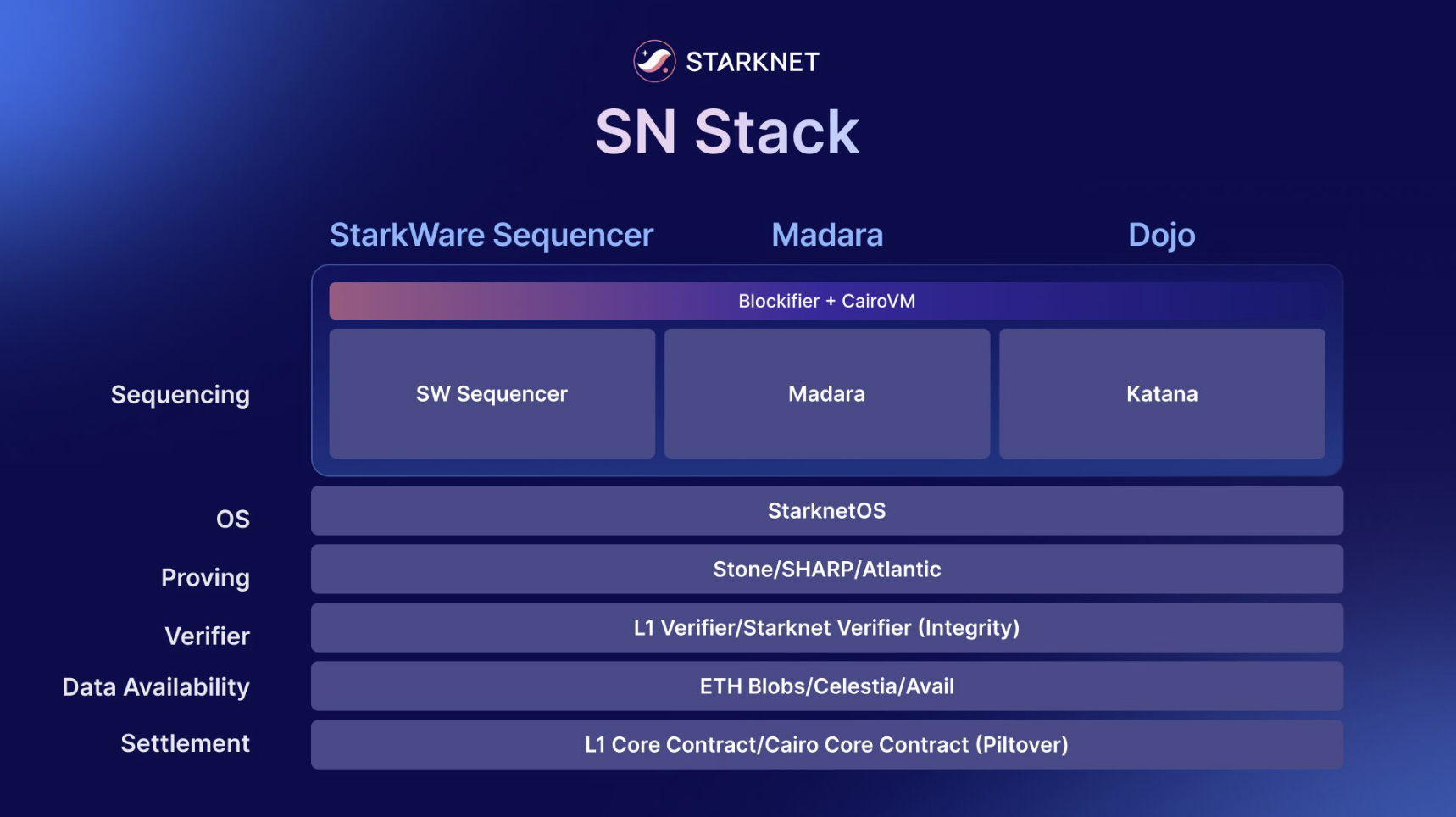
SN Stack configurations. Source: Starknet
Related: Is quantum computing a threat to your crypto portfolio?
Zero-knowledge tech as a shield against quantum attacks
Zero-knowledge technology allows users to verify information such as identity and account ownership without revealing the specific contents of that data. ZK technology exists in different implementations including ZK-stark, the technology that powers Starknet.
In November, XinXin Fan, the head of cryptography at IoTeX, received a best-paper award at the 2024 International Conference for Blockchain for co-authoring “Enabling a Smooth Migration Towards Post-Quantum Security for Ethereum.”
Fan and his fellow researchers proposed using hash-based, zero-knowledge proofs attached to every transaction as a way to quantum-proof the Ethereum network.
The researcher told Cointelegraph that hash functions, which are one-way mathematical calculations that cannot be reversed, are a cost-effective way of shielding sensitive economic data from quantum attacks.
After the publication of the research paper, Google unveiled Willow, which is a quantum computing processor capable of exponentially reducing errors.
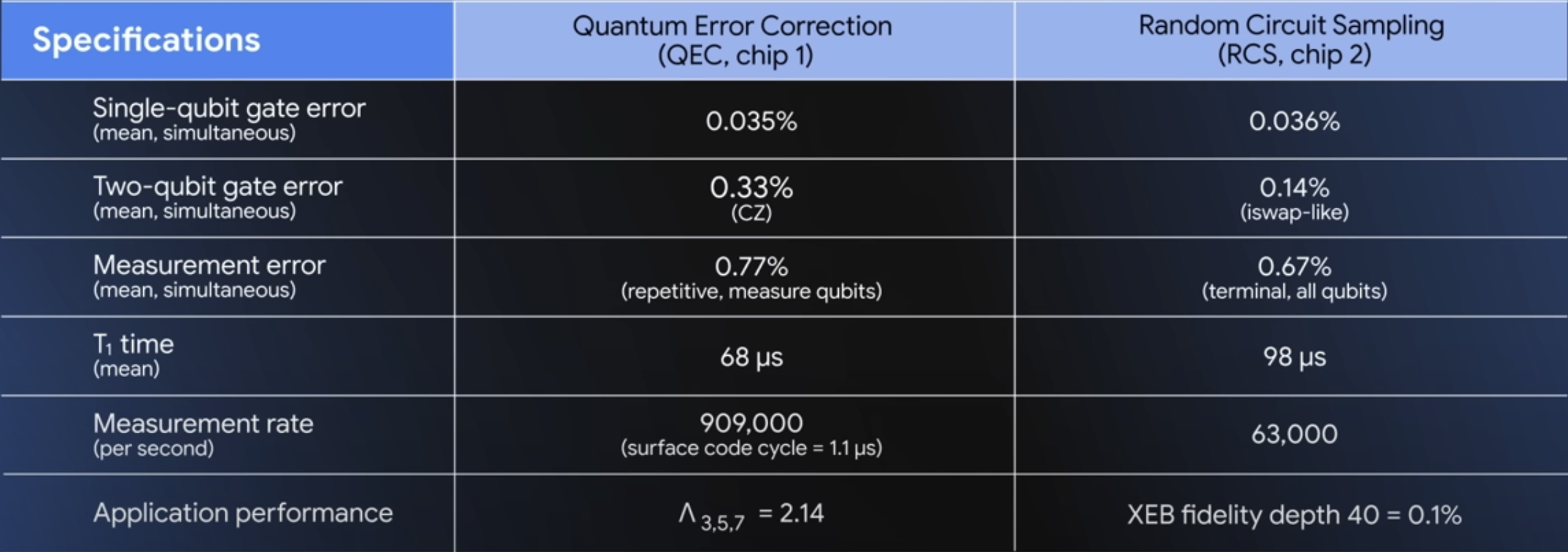
Google’s Willow quantum processor specifications. Source: Google Quantum AI
According to Google, Willow can solve mathematical problems in less than five minutes that would take a binary computer 10 septillion years to work out.
Despite the exponential leap in processing power and error correction, computer scientists and physicists say that the quantum threat is overblown — at least in the near term.
Following a paper published by Shangai University in May 2024, which claimed that researchers working at the university were able to break encryption algorithms using a quantum computer, sensationalist headlines emerged.
YouTuber “Mental Outlaw” dispelled the media hype by pointing out that the quantum computer used in the Shanghai University experiment could only factor a 22-bit number.
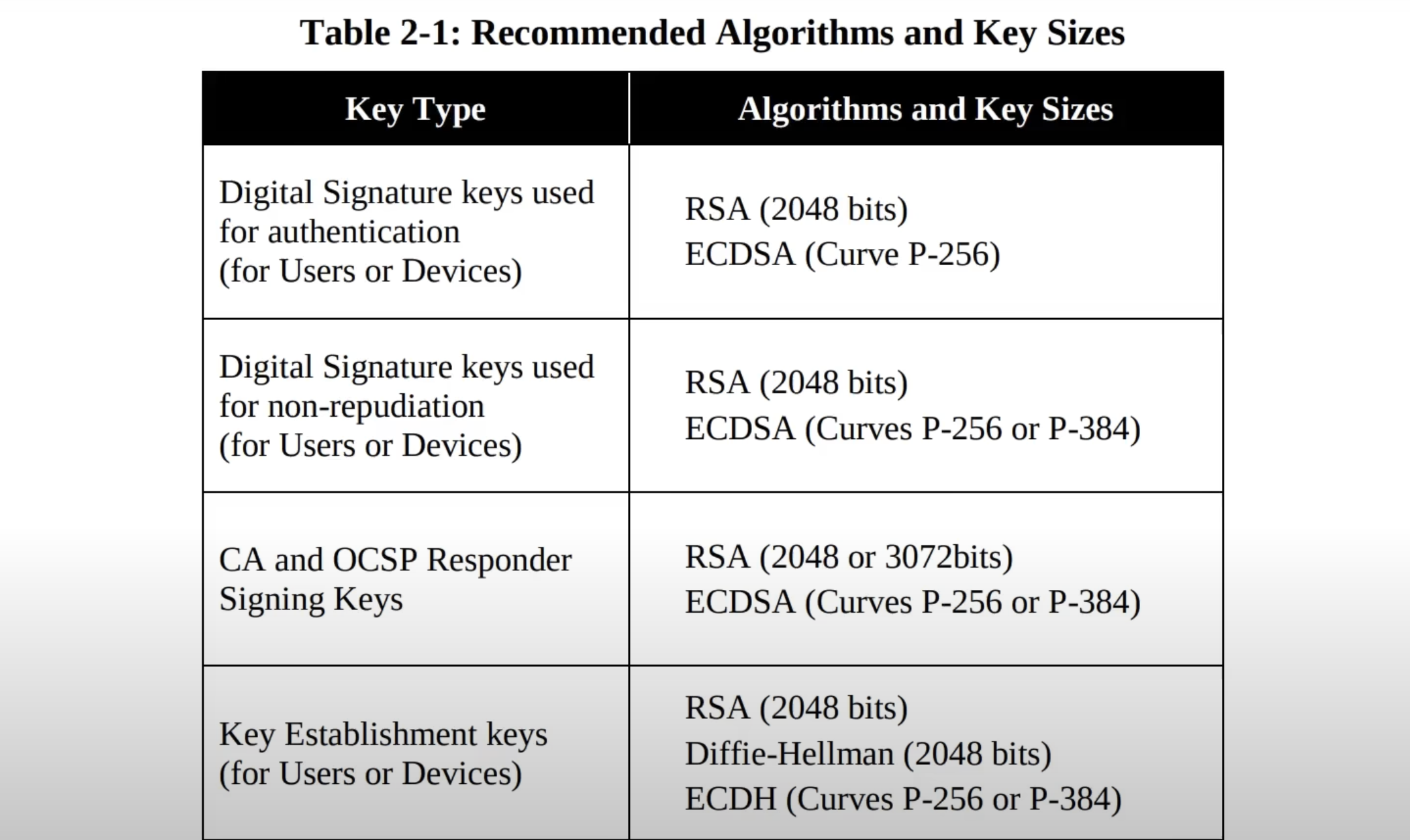
Encryption key sizes. Source: Mental Outlaw
Encryption keys used in modern applications range between 2,048 to 4,096 bits, meaning modern encryption standards are safe from the current round of quantum computers.
Magazine: ZK-rollups are ‘the endgame’ for scaling blockchains: Polygon Miden founder


Subscribe to daily byte-sized crypto news from Cointelegraph
Cointelegraph is committed to independent, transparent journalism. This news article is produced in accordance with Cointelegraph’s Editorial Policy and aims to provide accurate and timely information. Readers are encouraged to verify information independently.
More on the subject