

 Written by Gareth Jenkinsonformer editorEdited by Alex Cohenformer editor
What is an NFT and why are they so popular?
Latest NewsPublishedAug 19, 2022
Nonfungible tokens continue to captivate mainstream audiences around the world as Web3 technology grows at a rapid pace.
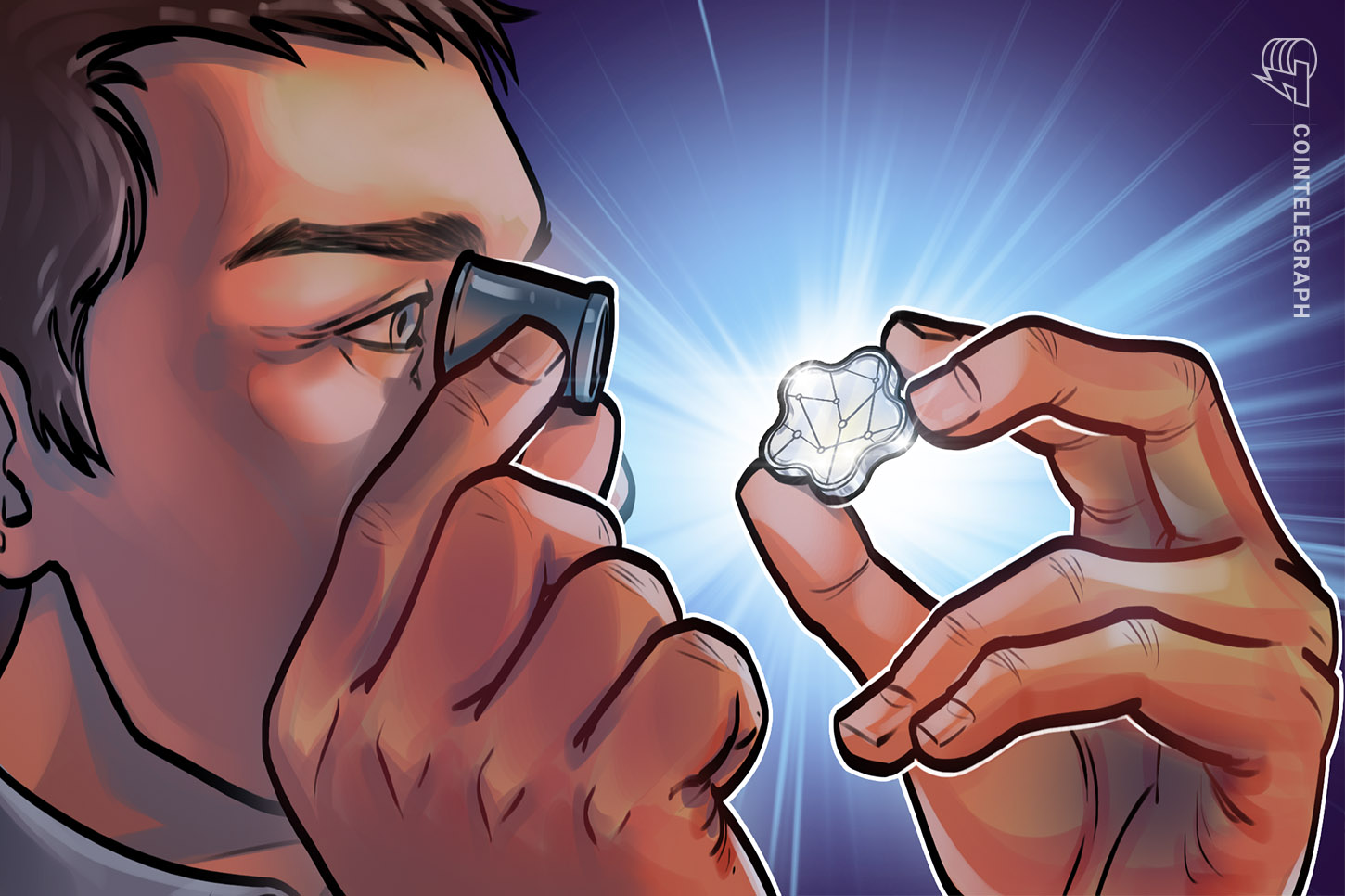
Nonfungible tokens (NFTs) have been part and parcel of the cryptocurrency space for the last couple of years. Still, their value and utility across several industries have driven their proliferation into mainstream consciousness.
Cointelegraph’s director of video production Jackson DuMont delves into the intricacies of NFTs, highlighting the importance of the underlying blockchain technology in proving ownership of digitally scarce assets:
“NFTs provide unique, verifiable and immutable proof of ownership of digital goods. True digital ownership of assets through NFTs is a revolutionary idea that will transform how we interact with the internet.”
Another important aspect of NFT technology highlighted by DuMont is handing the ownership of digital assets to users as Web3 functionality begins to proliferate the Internet.
NFTs come in many different forms, from the best highlights of the NBA to multi-million dollar pieces of art by some of the world’s most talented creators. The technology is also being used as a means to solve dilemmas for ticketing and other real-world use cases.
Check out the full video on our YouTube channel and don’t forget to subscribe!


Subscribe to daily byte-sized crypto news from Cointelegraph
Cointelegraph is committed to independent, transparent journalism. This news article is produced in accordance with Cointelegraph’s Editorial Policy and aims to provide accurate and timely information. Readers are encouraged to verify information independently.
More on the subject