


 Written by Vince Quillstaff writerEdited by Sam Bourgistaff writer
Bitcoin community weighs in on reports of Iran’s crypto toll for oil ships
Latest NewsPublishedApr 10, 2026
Alex Thorn, an executive at crypto investment firm Galaxy, said it is monitoring onchain activity for signs of an oil tanker fee paid in BTC.
The Bitcoin (BTC) community is discussing the feasibility and implications of the Iranian government accepting BTC for tolls paid by oil tankers crossing the Strait of Hormuz, a critical shipping lane through which about 20% of the global oil supply passes.
The reactions were sparked by a Financial Times report, published on Wednesday, which said that the Iranian government was considering BTC payments for oil tolls to avoid sanctions imposed by the United States.
Several conflicting reports have been published since the Financial Times article, which suggest that the tolls are payable in stablecoins or Chinese yuan, according to Alex Thorn, the head of firmwide research at crypto investment firm Galaxy.
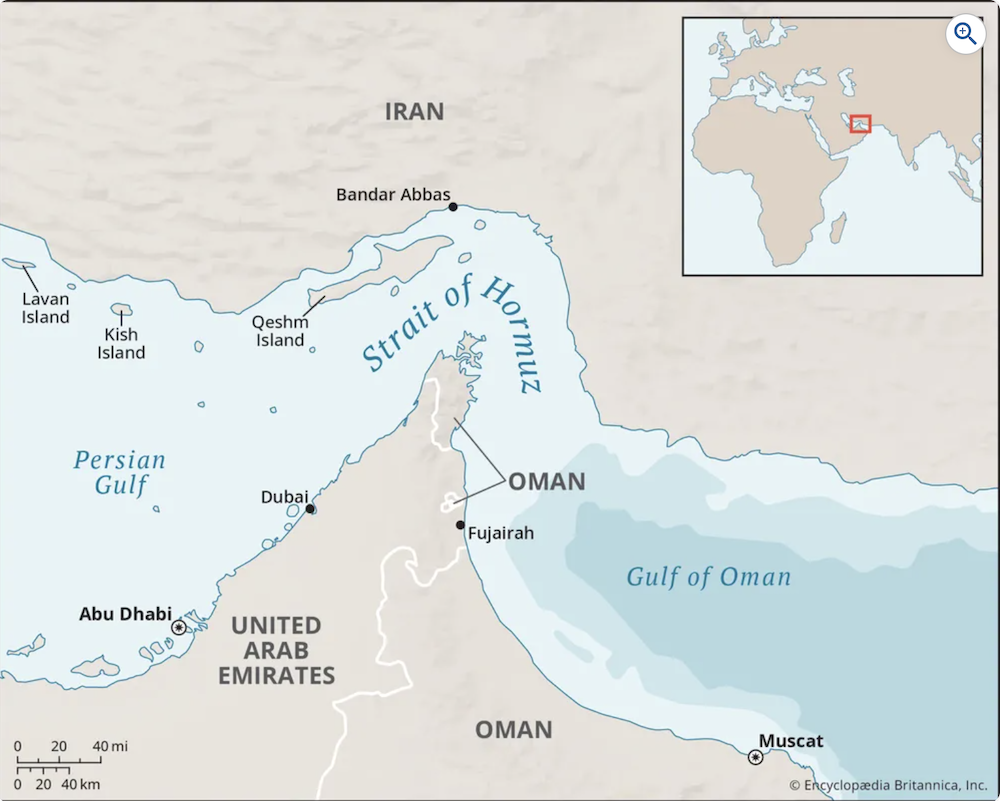
A map of the Strait of Hormuz. Source: Encyclopedia Britannica
BTC advocate Justin Bechler said that stablecoins can be frozen by the issuer and cited the compliance controls introduced in the GENIUS stablecoin regulatory framework as reasons why the Iranian government would not collect tolls in US-dollar stablecoins. He said:
“USDT and USDC include built-in blacklist functions at the smart contract level. When an address is flagged, the issuer can freeze the tokens, rendering them completely illiquid. The law's enforcement depends entirely on the compliance of issuers.
Bitcoin has no issuer, no compliance officer to pressure, and no freeze function. Iran's pivot toward Bitcoin follows directly from this structural reality,” he added.
If the Iranian government begins accepting BTC for oil tanker payments, it would boost Bitcoin’s credibility as a neutral settlement layer for international transactions, advocates say.
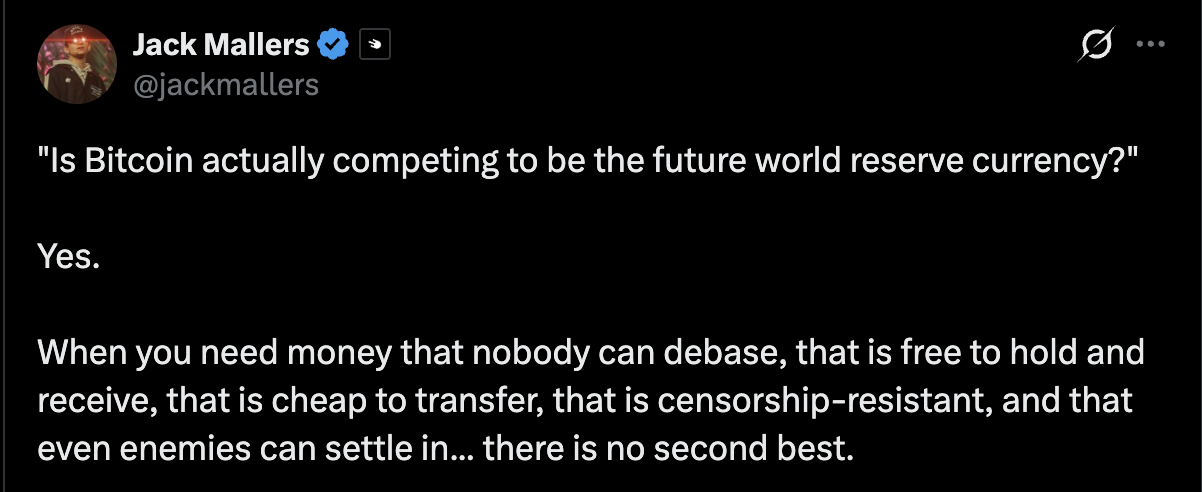
Source: Jack Mallers
Related: Crypto Biz: Will Bitcoin secure safe passage through the Hormuz Strait?
Iran would likely use QR codes to collect BTC payments
Thorn estimated that each oil tanker would need to pay between $200,000 and $2 million in tolls to pass through the Strait of Hormuz.
The initial reporting from the Financial Times cited a spokesperson for Iran’s Oil, Gas and Petrochemical Products Exporters’ Union, who said that ships would have a “few seconds” to complete payment in BTC.
This suggests that ships would pay via the Lightning Network, a layer-2 payment solution for BTC that allows parties to send transactions in seconds, rather than waiting for the 10-minute block confirmation.
However, the largest known transaction over the Lightning network to date has been for $1 million, Thorn said.
“More likely, the Iranian authorities would provide a QR code or alphanumeric Bitcoin address to the ships upon approval of their requests to pass through the Strait,” he added.
Magazine: Bitcoin may take 7 years to upgrade to post-quantum: BIP-360 co-author


Subscribe to daily byte-sized crypto news from Cointelegraph
Cointelegraph is committed to independent, transparent journalism. This news article is produced in accordance with Cointelegraph’s Editorial Policy and aims to provide accurate and timely information. Readers are encouraged to verify information independently.
More on the subject