


 Written by Eric Barrierformer writerEdited by Cyril Gilsonformer editor
Lebanese central bank issues Middle East’s first Bitcoin warning
Latest NewsPublishedJan 3, 2014
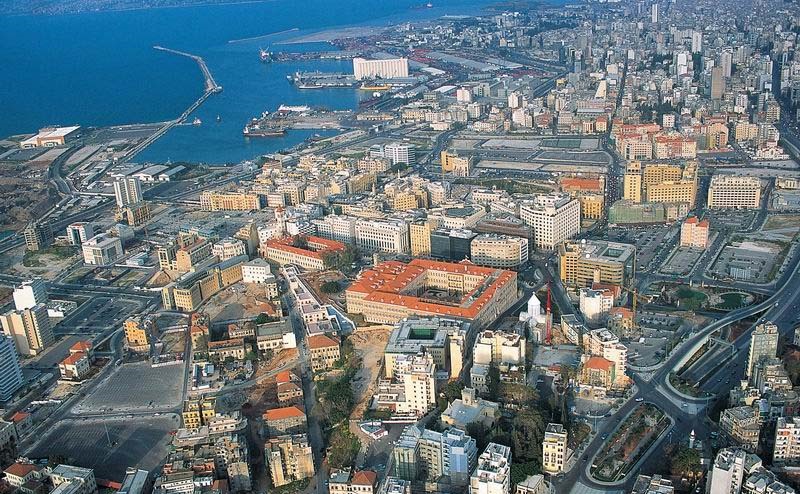
A warning from the Bank of Lebanon, issued in mid-December, ran through a list of risks related to Bitcoin and cryptocurrencies in general.
A warning from the Bank of Lebanon, issued in mid-December, ran through a list of risks related to Bitcoin and cryptocurrencies in general.
You probably have an idea already of what was said:
- Transactions are unregulated, and thus no one can account for or recover losses.
- Speculation has lead to price volatility.
- Criminals can commit crimes with such money.
- Terrorists can commit acts of terror with such money.
- Money launderers can launder money with … well, you know.
While not outright banning Bitcoin’s use, “the central bank of Lebanon warns against purchasing, keeping or using e-money,” the warning reads.
Lebanon has a particular incentive to regulate money transfers.
As a country with a tumultuous past few decades, Lebanon’s citizens have been moving away for generations now, resulting in a wide-flung diaspora. And many of those emigrants send money back home.
In fact, those remittances count for about 20% of the country’s GDP. The country’s healthy banking sector simply would not want to lose out on processing those transactions.
Also of note is the fact that issuing “e-money” has been prohibited since 2000, though it’s not clear what the legal status is for individuals who purchase Bitcoins through an exchange set up elsewhere.


Subscribe to daily byte-sized crypto news from Cointelegraph
Cointelegraph is committed to independent, transparent journalism. This news article is produced in accordance with Cointelegraph’s Editorial Policy and aims to provide accurate and timely information. Readers are encouraged to verify information independently.
More on the subject