


 Written by William Subergstaff writerEdited by Cyril Gilsonformer editor
The Taxman Cometh for Bitcoin
Latest NewsPublishedApr 16, 2014
April 15 has come and gone, and now US Bitcoin users who want to stay on the right side of the law have some serious accounting to do.
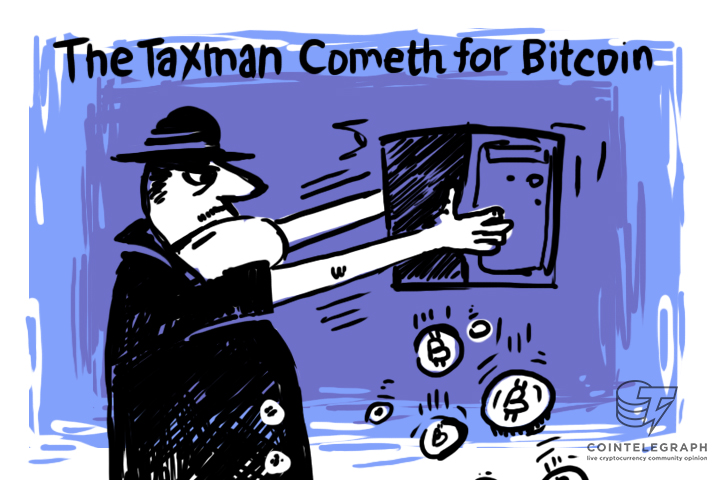
April 15 has come and gone, and now US Bitcoin users who want to stay on the right side of the law have some serious accounting to do.
But how is it possible to adapt to the new rules and what does that really involve? One Forbes journalist, Kashmir Hill, recounted her experience of the Bitcoin tax return in an article yesterday. “I let my accountant know it was going to make my taxes more ‘interesting’ this year,” she writes, “…The IRS guidance isn’t actually that complicated, but the record-keeping it makes necessary is”.
A Headache
The IRS now requires Bitcoin to be treated like property, meaning every transaction must be recorded and taxable gains determined and submitted at the end of the tax year. Finding your transaction history is not difficult (unless it was held on Mt. Gox, of course), but determining the percentage of profits due in tax is another matter.
“Almost exactly a year prior [in March 2013], I had bought 7 Bitcoin for just under $900 and then spent a week living on them,” Hill explains. “I spent almost 5 Bitcoin on food, shelter, a bike rental and a surprise crash diet. Over the course of the week, I (awkwardly) received over $1,000 (or approximately 15 Bitcoin) from 86 strangers who were excited about my experiment.”
As BTC was subject to wild fluctuation then as it is now, it is necessary to know the exact exchange rate at the time of transacting in order to calculate the tax. Fortunately, Hill had the sense to do this at the time, which she notes “made [her] accountant’s job much easier”, but a lack of record-keeping will make life very difficult for the potentially overwhelming majority of crypto-currency users.
Hill cites an example of spending 0.59BTC (US$56) when BTC was worth US$96. Additionally, as she’d bought Bitcoin at US$125, this transaction netted her a US$17 capital loss; all this information is required for the tax return, likewise when she sold 0.19BTC for US$194 in December 2013, resulting in a profit of US$175.


Subscribe to daily byte-sized crypto news from Cointelegraph
Cointelegraph is committed to independent, transparent journalism. This news article is produced in accordance with Cointelegraph’s Editorial Policy and aims to provide accurate and timely information. Readers are encouraged to verify information independently.
More on the subject