
BitGW outlines regulatory framework and AI-based risk controls for crypto trading
Press releasePublishedDec 31, 2025
Cryptocurrency trading platforms continue to operate under increasingly diverse regulatory and operational standards as oversight across the sector expands.
Commissioned byBitGW
Dec. 31, 2025, Press release – Cryptocurrency trading platforms continue to operate under increasingly diverse regulatory and operational standards as oversight across the sector expands. In this environment, BitGW, a crypto exchange founded in 2023, has outlined its approach to regulatory compliance, operational transparency, and the use of automated risk management systems designed to support secure and stable trading activity.
BitGW is incorporated in the State of Washington, United States, and maintains a separately registered international business entity in Seychelles to support non-U.S. operations. According to the company, this multi-jurisdictional structure is intended to facilitate cross-border activity and maintain consistent internal compliance, AML, and KYC standards required for all platform users.
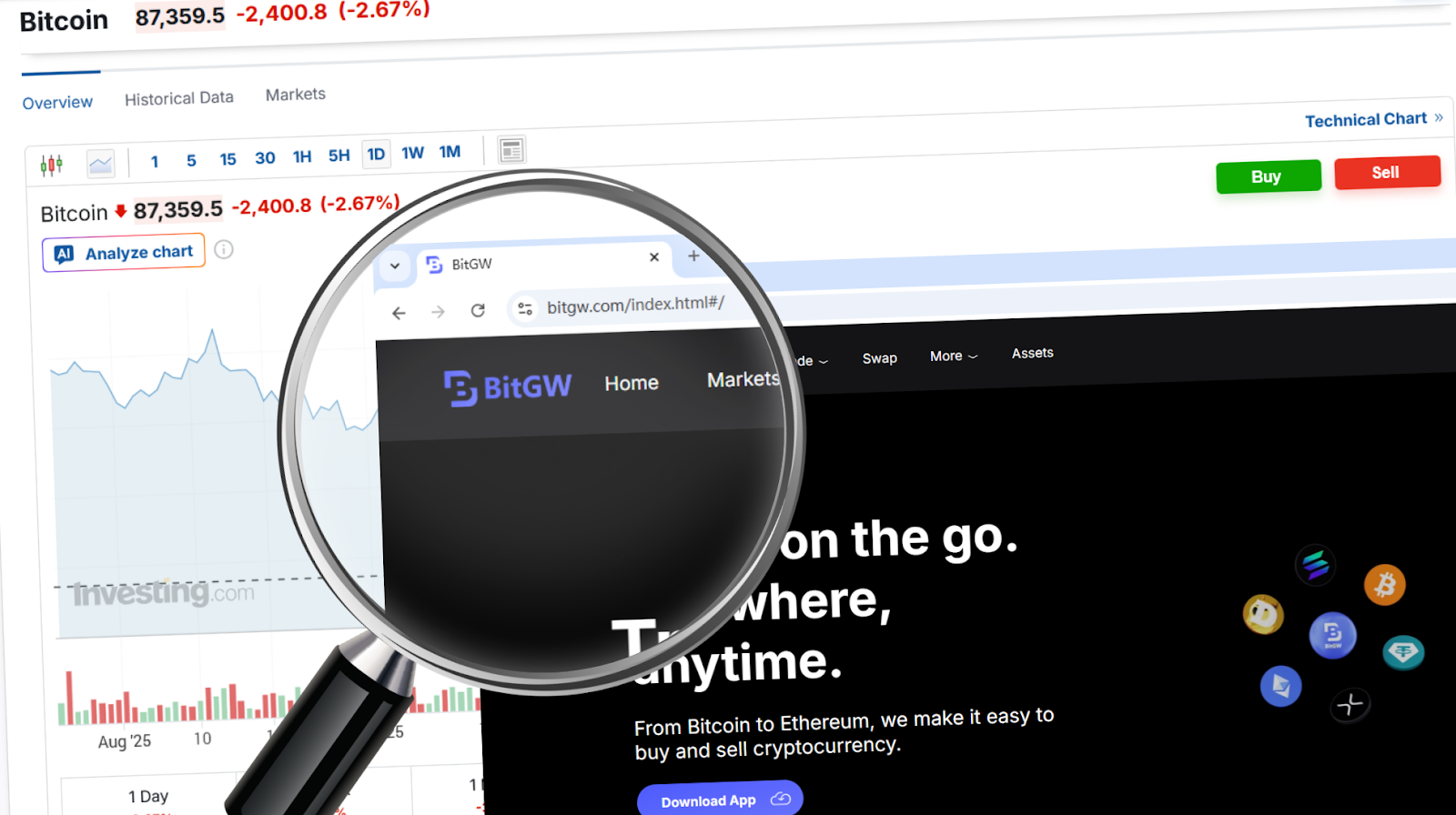
The exchange provides spot trading with real-time order execution, swap services, and an automated market-making (AMM) mechanism. The AMM framework is designed to facilitate liquidity provision and trading without exclusive reliance on traditional order-book matching.
BitGW currently supports spot trading for more than 80 cryptocurrencies, including Bitcoin (BTC), Ethereum (ETH), BNB, Solana, Cardano, Dogecoin, and XRP. Liquidity parameters are structured to accommodate a range of trade sizes, including higher-volume transactions, according to platform disclosures.
In July 2025, BitGW announced the deployment of an artificial intelligence–based liquidity and trading risk control system. The company stated that the system operates continuously, monitoring trading activity in real time, identifying irregular behavior patterns, and triggering predefined protective measures when risk thresholds are reached. The implementation aligns with a broader industry shift toward automated monitoring and risk controls amid growing market complexity.
Security measures on the platform are structured as a layered architecture. BitGW employs cold storage solutions for digital assets, multi-signature authorization mechanisms, and mandatory two-factor authentication for account access and fund-related actions. Additional controls include email verification, KYC procedures, and tiered permission settings based on transaction risk levels. The exchange is registered as a U.S. Money Services Business (MSB) and operates under applicable regulatory registration frameworks.
For funding and withdrawals, BitGW integrates third-party fiat on-ramp and off-ramp services. Users can purchase and sell cryptocurrencies through regulated providers using Visa, MasterCard, Apple Pay, and Google Pay. On-chain deposits and withdrawals are supported across multiple assets, and the platform also offers over-the-counter (OTC) trading services for larger or customized transactions. Trading fees follow a maker-taker model, with rebates available for certain activities.
From an operational standpoint, the platform features an interface designed to support both newcomers and experienced traders. Customer support is available 24/7 and is offered in English, French, German, and Dutch. BitGW also provides educational materials and basic market information to support user understanding of platform functionality and trading processes.
While BitGW remains a relatively recent market participant compared with longer-established exchanges, current disclosures indicate a focus on regulatory registration, infrastructure development, and automated risk controls.


Subscribe to daily byte-sized crypto news from Cointelegraph
This publication is provided by the client. The text below is a paid press release that is not part of Cointelegraph independent editorial content. The text has undergone editorial review to ensure quality and relevance, it may not reflect the views and opinions of Cointelegraph. Readers are encouraged to conduct their own research before taking any actions related to the company. Disclosure.
More on the subject