

 Written by Dilip Kumar Patairyaformer writerEdited by Rahul Nambiampurathformer editor
How do new memecoins get deep liquidity so fast
MagazinePublishedMay 18, 2026
New memecoins can gain deep liquidity within minutes, but early liquidity may come from bots, bonding curves or creator-controlled pools.
Early liquidity can make new tokens look safer
When a new memecoin starts getting attention on social media, traders often see a live price chart, rising trading volume and what looks like enough liquidity to buy or sell easily. To many regular investors, this can make the token look popular and active from day one.
A new token can look liquid within minutes of launch. Sometimes, that can make it seem stronger or safer than it really is.
Some memecoins build real momentum through organic hype and actual buyer interest. Others depend on built-in launch tools, creator-supplied funds, trading bots or specific liquidity setups that inflate the token’s apparent strength. In the worst cases, liquidity itself becomes the lure. It draws people in with the false belief that they can easily enter and exit positions until that liquidity disappears without warning.
Understanding how liquidity develops around brand-new memecoins is essential for anyone considering these high-risk assets.
What liquidity really means in crypto
Liquidity describes how quickly and easily you can buy or sell an asset without causing major price swings.
In decentralized finance (DeFi), liquidity usually sits in pools that hold pairs of assets, such as:
- The new token paired with Solana (SOL)
- The new token paired with Ether (ETH)
- The new token paired with USDC (USDC)
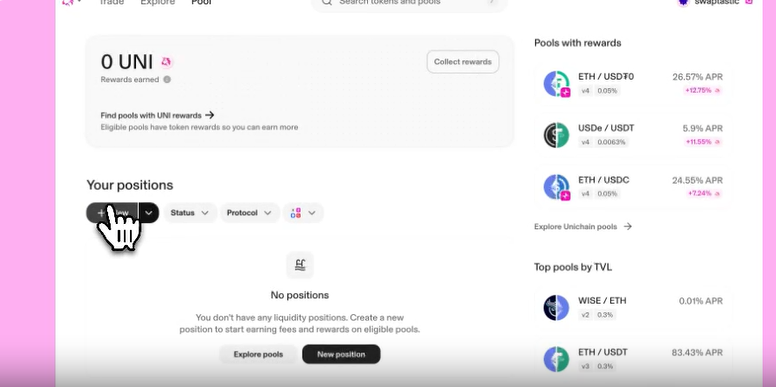
These pools allow users to swap tokens directly through automated market makers (AMMs), without relying on traditional buy and sell order books.
When a pool has plenty of liquidity, larger trades can happen with minimal slippage, which is the gap between the price you expect and the price you actually get. At first, strong liquidity may suggest stability. But it does not prove that the project is legitimate, community-driven or built to last.
Did you know? A memecoin can become tradable globally within minutes because decentralized exchanges (DEXs) do not require traditional listing approvals. Anyone can create a liquidity pool and launch a market directly on-chain with only a small amount of crypto and a token contract.
How memecoins become tradable in minutes
DEXs make it very easy for almost anyone to create a new trading pair. A creator can mint a token and almost immediately add it to a pool alongside an established coin like SOL or ETH. Trading can often begin within minutes.
This is much faster than traditional finance, where listings often involve regulators, brokers and professional market makers. With user-friendly launchpad platforms built for nonexperts, even one wallet can create a tradable token quickly.
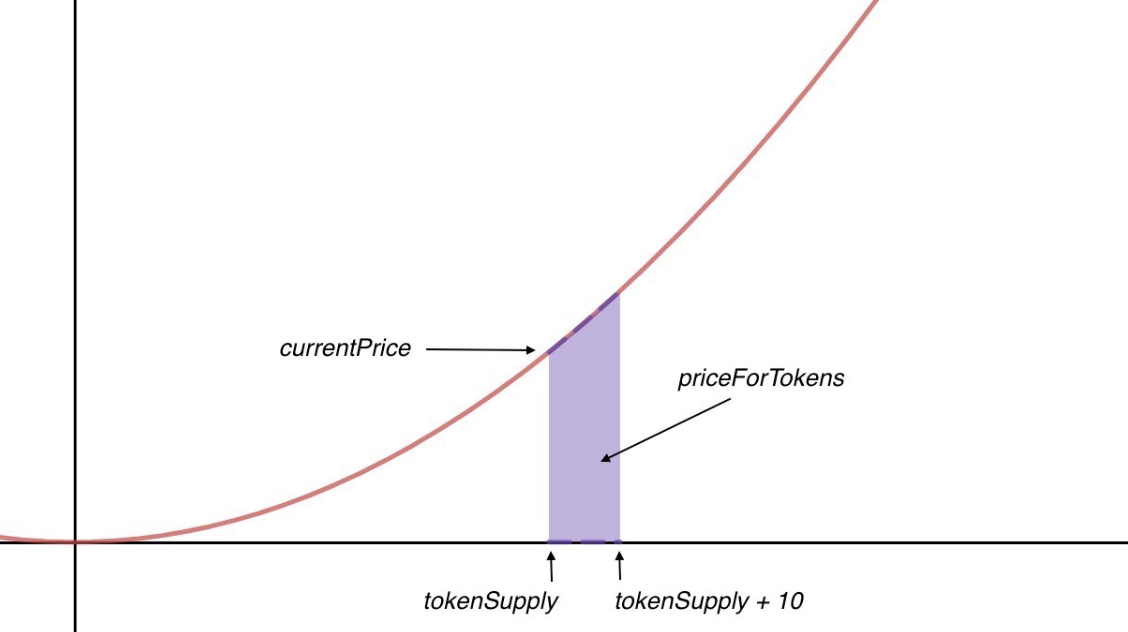
Many modern launches use bonding curve mechanics, popularized by platforms such as Pump.fun. Buyers purchase directly from a mathematical curve, where the price rises as more people buy in. This means earlier buyers usually receive the token at a lower price than later buyers under the curve’s design.
When trading volume reaches a set threshold, the token can “graduate” to a standard AMM pool on exchanges such as Raydium. To outsiders, this can make the coin look like it gained real trading volume and liquidity almost instantly. In many cases, much of that early movement is simply the launch mechanism working as designed.
Creator-supplied liquidity can carry hidden risks
One way a new token may appear highly liquid is when the creator adds funds to the liquidity pool themselves. This can include the new token along with assets such as SOL, ETH or stablecoins.
The main issue is control. If the same wallet that added the liquidity still controls it, that liquidity can be removed at any time. This is the basis of a classic “rug pull,” where hype builds, the price rises and liquidity is then removed, leaving holders unable to sell as the pool dries up.
A market can therefore look active and healthy on the surface while still being easy to dismantle. Newer automated market makers, such as Uniswap V3, allow liquidity providers to place their funds within specific price ranges instead of spreading them evenly across all possible prices. This can make capital use more efficient, but it can also create a misleading picture of market depth.
A memecoin may show strong liquidity around its current price, but that support can disappear once the price moves beyond those selected ranges. For regular traders, this means small buys or sells may go through without issues, while larger orders or sudden price moves can cause major slippage. What looks like solid depth may only be a narrow band of liquidity, not true market stability.
Automated bots often drive early activity
Much of the early activity around new memecoins can come from trading bots rather than regular users. Sniping bots scan the blockchain for newly launched tokens and enter within seconds. Other bots handle arbitrage, create artificial market-making activity or run rapid trading strategies.
This can increase trading volume without reflecting genuine community interest. A coin may look highly active while most transactions are simply bots trading with each other. This is why raw volume numbers alone can be unreliable. Better indicators to review include:
- The number of distinct wallets involved
- How evenly tokens are distributed among holders
- Typical trade sizes
- How concentrated the largest wallets are
- Repeated buying and selling patterns
A token showing high volume from only a handful of wallets is unlikely to have broad, organic participation.
Did you know? Some memecoin launch platforms use bonding curves, where token prices automatically rise as more buyers enter. This means early charts may look highly active even before the token reaches a traditional decentralized exchange liquidity pool.
Insiders and market makers can shape early price action
Some launches may involve coordinated groups that spread supply across multiple wallets to create the appearance of decentralization. These connected participants may buy and sell in ways that build interest, push the token onto trending lists or attract outside attention.
This activity can look very similar to real buyer interest, making it hard to know what is natural and what is planned. Not every new memecoin is manipulated, but this helps explain why some early charts look carefully built instead of naturally formed.
Tools such as Bubblemaps, Solscan and Etherscan can help identify unusual wallet clustering and ownership concentration.
Many retail traders assume that high liquidity means lower risk. In reality, even large liquidity pools can be misleading if:
- A single wallet controls most of the liquidity
- The liquidity remains unlocked and removable
- The liquidity is concentrated in a tight price range
- Volume is mostly bot-driven
- The project relies mainly on short-term hype
- Insiders hold a large share of the supply
A token can look stable on the surface while still being vulnerable to sudden drops, especially in the fast-moving memecoin market.
Did you know? Liquidity does not always mean safety. A token can show hundreds of thousands of dollars in liquidity while still being controlled by a single deployer wallet that may be able to remove the funds almost instantly.
The real risk: Liquidity that disappears when needed
Liquidity matters most during stressful market conditions. A coin may trade smoothly while prices are rising, but problems can appear quickly when many people try to sell at the same time.
If liquidity providers remove funds or concentrated liquidity dries up during volatility, traders may face:
- Extreme slippage
- Difficulty exiting positions
- Sharp price drops
- Failed transactions
- Large gaps between buy and sell prices
This can leave people thinking they can sell easily until they actually need to. In weak or manipulated markets, retail holders may be left dealing with thin or disappearing liquidity just when selling pressure increases.
Key risk checks for new memecoins
Don’t rely only on the price chart. Early charts can look active even when the underlying setup carries serious risks. Before trading any freshly launched token, verify:
- Is the liquidity locked or burned?
- Who actually controls the pool?
- How concentrated are the top holders?
- Do any wallets appear connected or suspicious?
- How many unique wallets are actively trading?
- Is the smart contract verified and transparent?
- Are there hidden fees, sell limits or other restrictions?
- Does liquidity exist across multiple pools?
- How much does a larger sell order affect the price?
Liquidity is just one clue among many. It should never be mistaken for proof of a trustworthy project.
Platforms like DEX Screener and GeckoTerminal offer real-time data on liquidity levels, pool age, volume trends and current activity.
Blockchain explorers such as Solscan and Etherscan let you review deployer wallets, holder distribution, liquidity movements and contract details.
Wallet visualization tools like Bubblemaps can reveal hidden clusters of related addresses that might not be obvious at first.
These resources will not remove risk entirely, but they can help identify red flags earlier.


Subscribe to daily byte-sized crypto news from Cointelegraph
Cointelegraph publishes long-form journalism, analysis and narrative reporting produced by Cointelegraph’s in-house editorial team with subject-matter expertise. All articles are edited and reviewed by Cointelegraph editors in line with our editorial standards. Some articles contain affiliate links, from which Cointelegraph may earn a commission. These relationships do not influence which products we review or our editorial conclusions. Content published in here does not constitute financial, legal or investment advice. Readers should conduct their own research and consult qualified professionals where appropriate. Cointelegraph maintains full editorial independence.
More on the subject