

 Written by Bradley Peakformer writerEdited by Dr. Guneet Kaurformer editor
Best crypto exchanges of 2025
MagazinePublishedApr 15, 2025
Looking for the best crypto exchange in 2025? Compare 31 top platforms for fees, features, altcoin access, regulation, and more.
With over 250 active crypto exchanges as of April 2025, finding the right one can be overwhelming. We’ve compared 31 of the best crypto trading platforms across key categories – including the best for beginners, low fees, Web3, staking, NFTs, and copy trading. Use our side-by-side comparison and expert breakdowns to quickly find the best fit for your trading goals, region, and experience level.
Best crypto exchanges overall in 2025
Looking for the best crypto exchange in 2025? The most popular names are Binance, Coinbase, Kraken, Crypto.com, and Bybit – but that doesn’t mean you should limit your options.
However, as of April 2025, there are over 250 active crypto exchanges worldwide. That’s a lot of choice – and a lot of noise.
That’s why we’ve done the work for you. This guide breaks down the top cryptocurrency exchanges across 12 unique use cases – whether you’re a beginner, a pro, trading from Europe, Asia, or the US, or looking for the best platform for NFTs, copy trading, low fees, or Web3 onboarding.
Let’s kick off with a table that provides a simplified comparison of the 31 cryptocurrency exchanges we’ll be touching on today.
Did you know? As an added treat, we’ve included special sign-up offers for some of the exchanges mentioned today – so keep an eye out!
Best crypto exchanges for beginners
Getting started in crypto can feel overwhelming, but choosing the right platform makes all the difference. Below are some of the top cryptocurrency exchanges for beginners, known for their user-friendly design, simple trading interfaces, and intuitive crypto apps.
Coinbase
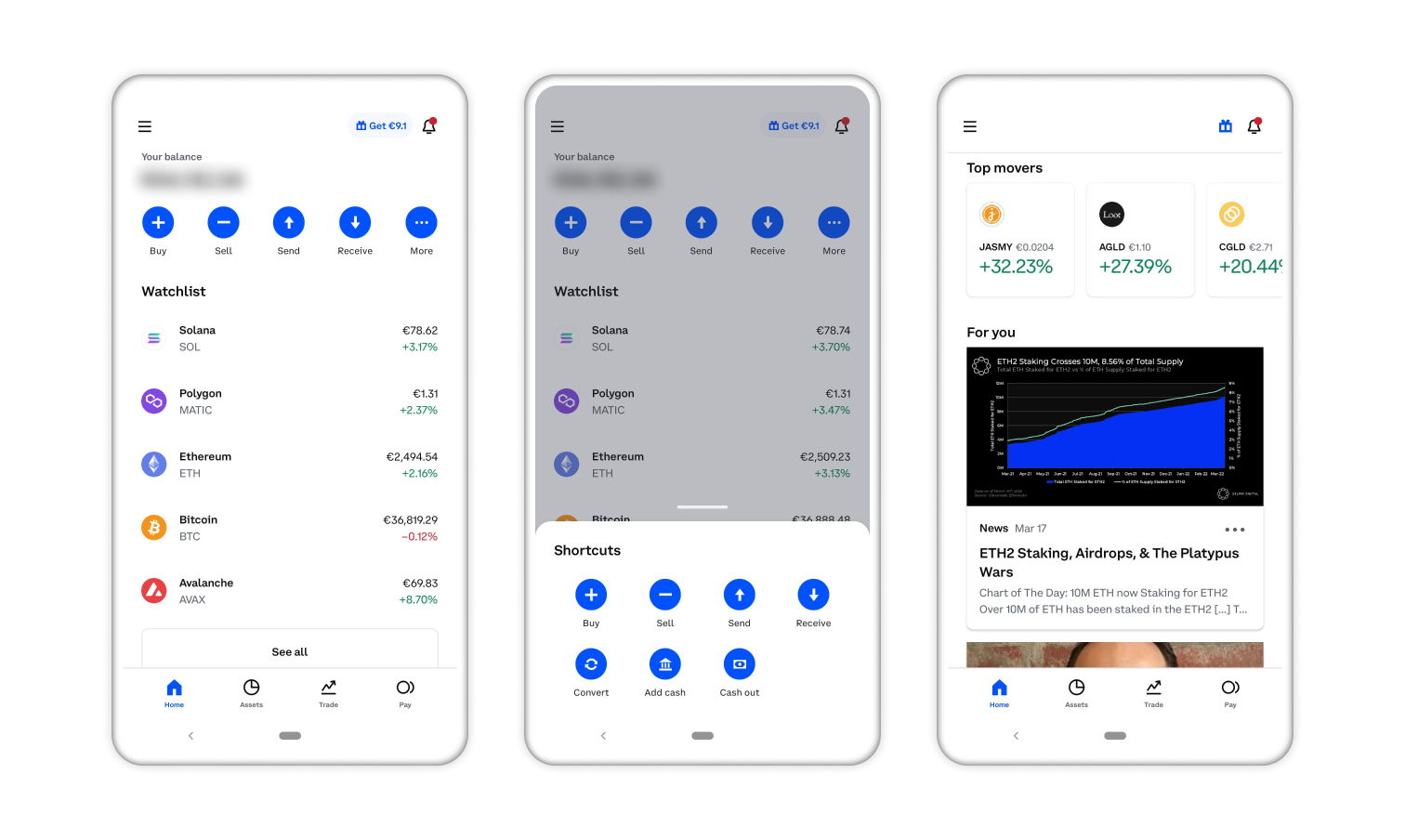
Coinbase is often the go-to crypto exchange for beginners – and it’s easy to see why. The interface is clean, minimal, and designed to guide users step-by-step through setup and their first crypto purchase.
Instead of complex charts and jargon, users get clear “Buy” and “Sell” buttons, real-time price tracking, and an easy-to-understand portfolio view. The Coinbase mobile app mirrors the desktop experience for flawless access on the go. Plus, Coinbase Learn offers short, interactive lessons that reward users in crypto, helping them build confidence while they explore.
Kraken
Kraken offers a straightforward entry point for new traders. Its beginner-friendly crypto platform focuses on clarity, using plain language and helpful tooltips instead of industry jargon. For users looking to advance over time, Kraken Pro offers more features – but it’s separate from the main interface, so newcomers aren’t overwhelmed. The platform is also known for strong customer support and a detailed help center, making it one of the best crypto trading platforms for beginners who value assistance and security.
SwissBorg
If you’re looking for a simple crypto investing app without charts, candlesticks, or trading complexity, SwissBorg is a great pick. It offers a mobile-first crypto experience where users can swap tokens with just a few taps. The platform skips technical trading views and instead provides a quote screen that’s easy to understand – perfect for those who just want to buy and hold. Its clean, minimal design makes it one of the easiest crypto apps for beginners focused on investing, not active trading.
Crypto.com
Crypto.com delivers a sleek, mobile-optimized crypto app that’s ideal for first-time users. The layout is designed for intuitive navigation – whether you’re buying crypto with a debit card, checking your balance, or accessing crypto rewards. One of its standout beginner features is the Crypto.com Visa Card, which allows users to spend crypto in the real world.
Best crypto exchanges for experienced traders
For advanced users, beginner-friendly crypto platforms won’t meet the mark. Whether you’re executing complex strategies, managing large positions, or using automation, you need a platform built for precision, speed, and depth. These are the best crypto exchanges for professional traders, offering the tools and liquidity serious market participants rely on.
Binance
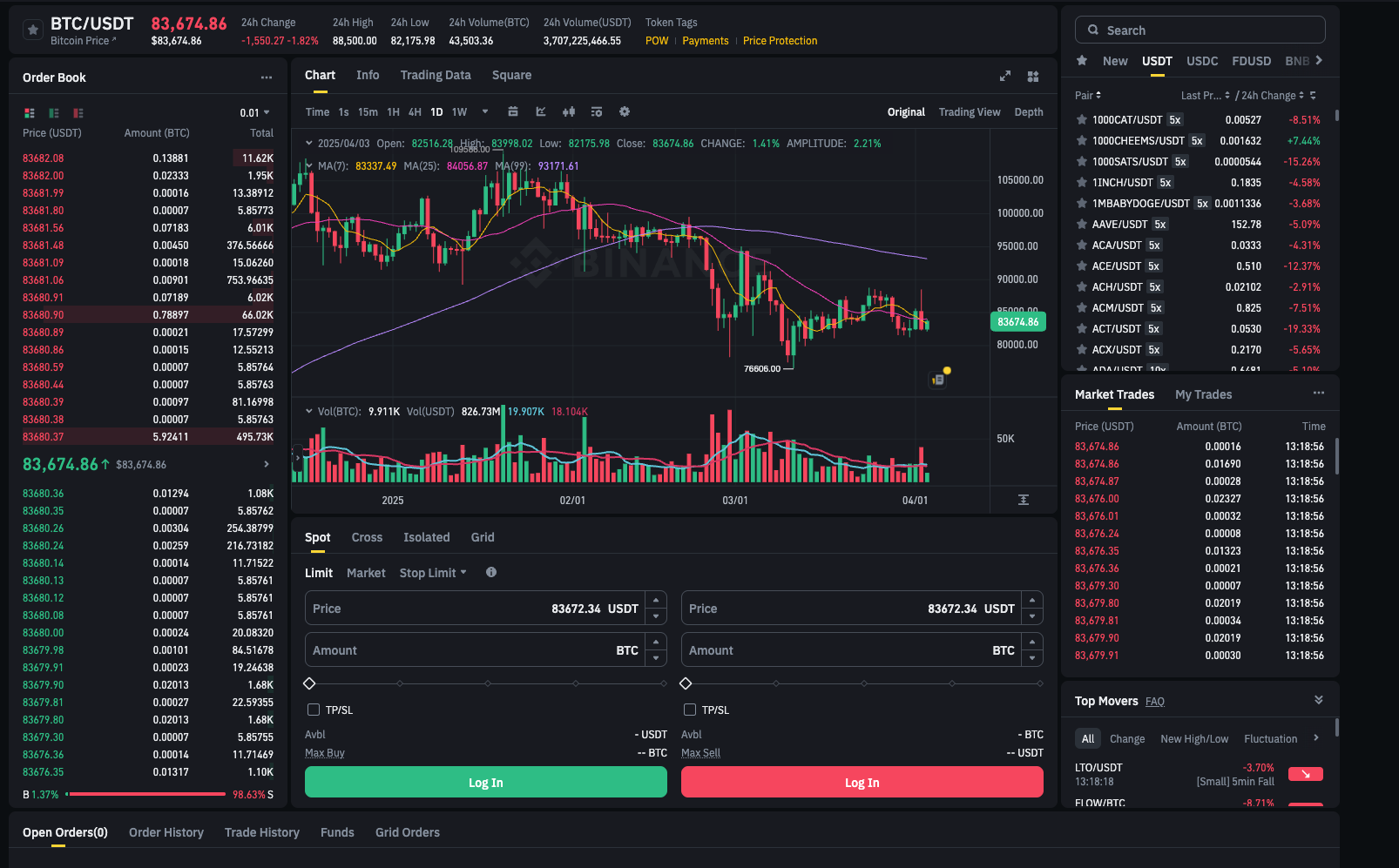
Binance is the world’s largest cryptocurrency exchange by volume and a top choice for experienced crypto traders. It supports margin trading, crypto futures, and options trading, and offers advanced tools like grid bots and TradingView integration. The interface is customizable and built for high-speed execution.
Fees start at just 0.1% and drop further when paid in BNB (BNB), Binance’s native token. With some of the deepest liquidity in the market and full API access for algorithmic trading, Binance is ideal for traders who need flexibility and professional-grade performance.
Bybit
Bybit has built a strong reputation in crypto derivatives trading, offering perpetual contracts with up to 100x leverage, low latency, and deep liquidity for major pairs. The interface is clean and geared toward pro users, with TradingView charts, precision order controls, and a flawless trading flow.
A standout feature is Bybit’s copy trading, which lets users mirror top-performing traders in real time – a blend of professional crypto trading tools and social trading functionality that appeals to traders who want both autonomy and strategy alignment.
Kraken Pro
Kraken Pro offers a full-featured terminal designed for institutional-level crypto trading. It includes advanced order types such as stop-loss, OCO, and post-only, with real-time depth charts and low-latency execution. Kraken uses a transparent, volume-based fee schedule, with maker fees as low as 0.00% for high-tier accounts. Its strong reputation for security and regulatory compliance makes it a go-to for professional traders who value both advanced functionality and a safe, compliant trading environment.
Gemini (ActiveTrader)
Gemini’s ActiveTrader platform is built for performance and trust, especially for U.S.-based users. The interface delivers institutional-grade features, including real-time market data, auction-based order execution, and block trading capabilities. While trading fees are higher compared to Binance or Kraken for low-volume users, Gemini’s regulated status and focus on security appeal to traders who want speed, reliability, and full transparency from a licensed exchange.
Deribit
Deribit is widely regarded as the best platform for crypto options trading and futures contracts, with a sharp focus on BTC and ETH derivatives. It offers deep order books, tight spreads, fast APIs, and sophisticated risk management tools – everything a professional derivatives trader needs. It’s not made for beginners, but for those with experience in options greeks, volatility strategies, and high-leverage trading, Deribit delivers unmatched precision and depth.
Best crypto exchanges for low fees
For traders focused on keeping costs down, choosing a low-fee cryptocurrency exchange is key to maximizing returns. Below are some of the cheapest crypto trading platforms, ranked from lowest to highest based on their current fee schedules.
Bitvavo
Bitvavo is one of the most affordable crypto exchanges in Europe, especially for high-volume traders. Its fees are transparent and extremely competitive, making it an excellent choice for both beginners and professionals.
Trading fees:
- Maker fee: 0.00% for volumes exceeding €25 million
- Taker fee: 0.02% for the same volume bracket
These rates apply to major trading pairs such as BTC/EUR and ETH/EUR, with more assets being added under similar conditions. Bitvavo is particularly strong for users in the Netherlands, Germany, and surrounding EU markets looking for low-cost crypto trading.
Binance
Binance is globally recognized for offering some of the lowest crypto exchange fees and additional discounts through its native token, BNB.
Spot trading fees:
- Standard maker/taker fee: 0.10%
- Discounted fee: 0.075% when using BNB to pay for trading fees
This makes Binance ideal for high-frequency traders, especially those using automation or bots. The fee model also scales with trading volume, offering further reductions for institutional or power users.
OKX
OKX delivers aggressive pricing across both spot and derivatives markets, with rates that appeal to users focused on futures trading and yield strategies.
Spot trading fees:
- Maker fee: 0.08%
- Taker fee: 0.10%
Futures Trading Fees:
- Maker fee: 0.02%
- Taker fee: 0.05%
Additional discounts are available based on your trading volume and OKB token (OKB) holdings.
Kraken
Kraken uses a clear, volume-based fee model that rewards long-term and high-volume users. It’s a trusted platform with a solid security track record and is often recommended for both retail and institutional clients.
Spot trading fees:
- Maker fee: Starts at 0.16% for volumes up to $50,000
- Taker fee: Starts at 0.26% for the same bracket
Fees drop significantly with higher volumes, and Kraken offers Pro-level trading tools alongside its competitive pricing, making it one of the best crypto exchanges with transparent fees.
Safest and most secure crypto exchanges
Security is one of the most important factors when choosing a crypto exchange. The platforms below are widely considered the most secure cryptocurrency exchanges, thanks to their commitment to regulatory compliance, asset protection, and industry-leading security standards.
Kraken
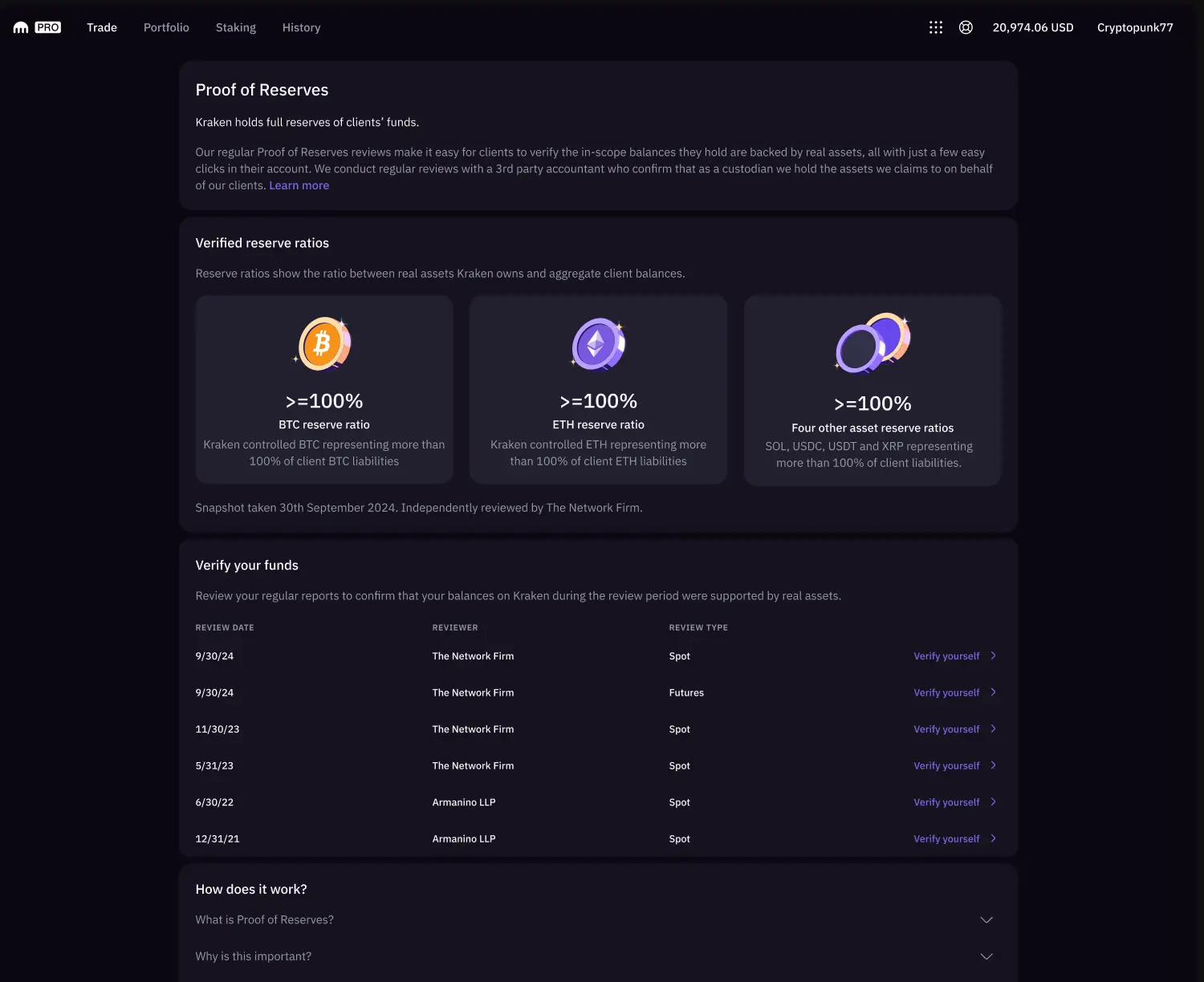
Kraken has earned a reputation as one of the most secure crypto exchanges in the world. Since launching in 2011, it has never been successfully hacked – a rare achievement in the space. Approximately 95% of customer deposits are held in cold storage, spread across multiple geographic locations. The exchange enforces two-factor authentication (2FA) and supports FIDO2-compliant passkeys, providing an extra layer of account protection. Kraken also conducts regular Proof of Reserves audits to verify that client assets are fully backed, reinforcing transparency and trust.
SwissBorg
SwissBorg is known for its strong focus on user asset protection and regulatory compliance. The platform follows stringent security standards, ensuring that user data and funds are protected at every level. SwissBorg also integrates institutional-grade infrastructure to safeguard against unauthorized access and fraud, making it a trusted platform among long-term crypto investors and those prioritizing peace of mind.
Gemini
Gemini was founded with regulation and security in mind, making it one of the few crypto exchanges that blends institutional trust with retail accessibility. It operates under strict regulatory oversight and has obtained licenses in multiple jurisdictions. Gemini provides insurance coverage for digital assets held in custody, giving users additional confidence in asset protection. For U.S.-based users in particular, Gemini stands out as one of the most compliant and secure exchanges available.
CME Group
CME Group, a global leader in derivatives trading, offers regulated crypto futures markets with a focus on institutional-grade infrastructure. It is fully regulated by the U.S. Commodity Futures Trading Commission (CFTC), which ensures high standards in operational security and compliance. With transparent pricing, deep liquidity, and a proven track record in traditional finance, CME Group is considered the gold standard for secure crypto futures trading and a trusted venue for institutional investors.
Best crypto exchanges for altcoins and token variety
For traders who want exposure beyond Bitcoin and Ethereum, choosing an exchange with a wide range of digital assets is essential. The platforms below are recognized for offering some of the best altcoin selections.
Gate.io
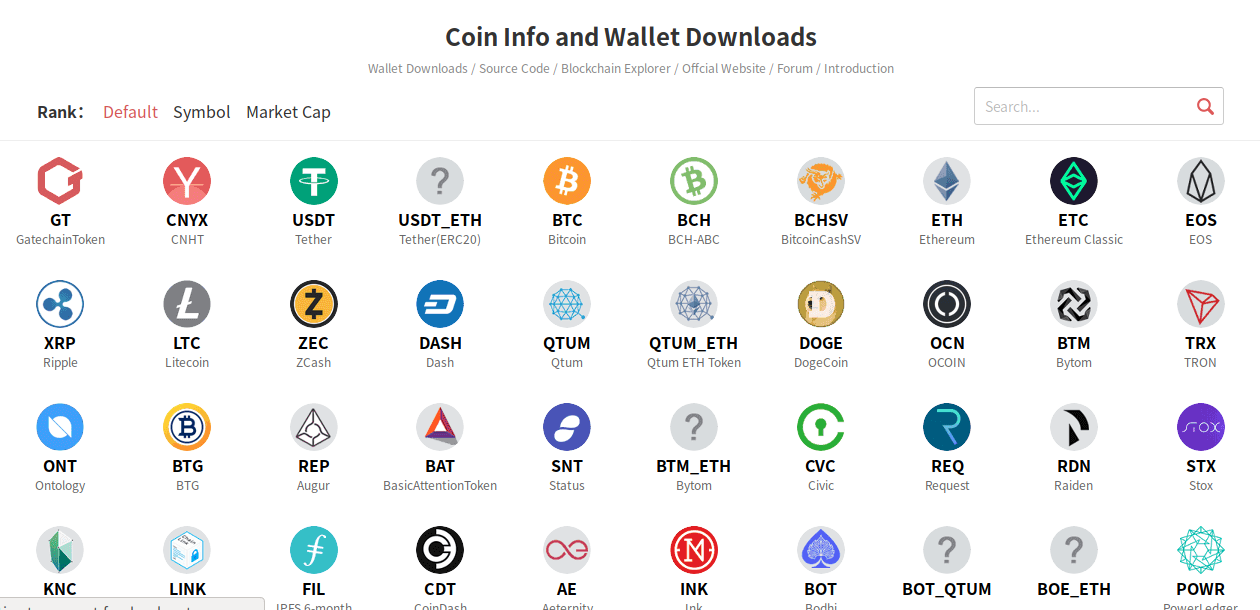
Gate.io is a powerhouse for altcoin access, supporting over 3,800 cryptocurrencies and a vast number of trading pairs. It offers one of the most diverse altcoin selections on the market, including many emerging tokens and low-cap assets that aren’t available on larger platforms. This makes Gate.io a top choice for altcoin hunters and early adopters seeking to invest in niche or under-the-radar projects.
BitMart
BitMart supports more than 1,700 digital assets, giving traders exposure to a wide variety of cryptocurrencies across multiple sectors, including DeFi, NFTs, meme coins, and utility tokens. Its expansive listing strategy makes it a go-to platform for users who want to diversify their crypto portfolio beyond the usual top 100 tokens. BitMart’s global user base and consistent listing pace help keep the platform dynamic and altcoin-friendly.
KuCoin
KuCoin is known for listing 700+ cryptocurrencies and offering access to many early-stage projects. It’s especially popular among altcoin traders due to its proactive listing strategy and lower entry barriers for new tokens. KuCoin also regularly hosts altcoin trading competitions and promotions that reward active users, making it a highly engaging platform for discovering and trading new assets in the crypto market.
Binance
Binance offers one of the best altcoin selections among tier-1 exchanges, with hundreds of tokens available across spot, margin, and futures markets. What sets Binance apart is its ability to list new cryptocurrencies quickly, often within days of launch, giving users early access to promising projects.
Did you know? Over 17,000 Cryptocurrencies Exist: As of April 2025, there are approximately 17,134 cryptocurrencies in circulation. However, only around 10,385 of these are considered active
Best crypto exchanges for mobile trading
For users who prefer to trade on the go, mobile-first platforms are a must. The exchanges below offer some of the best mobile crypto trading apps, combining smooth user experience with powerful features that fit right in your pocket.
Crypto.com
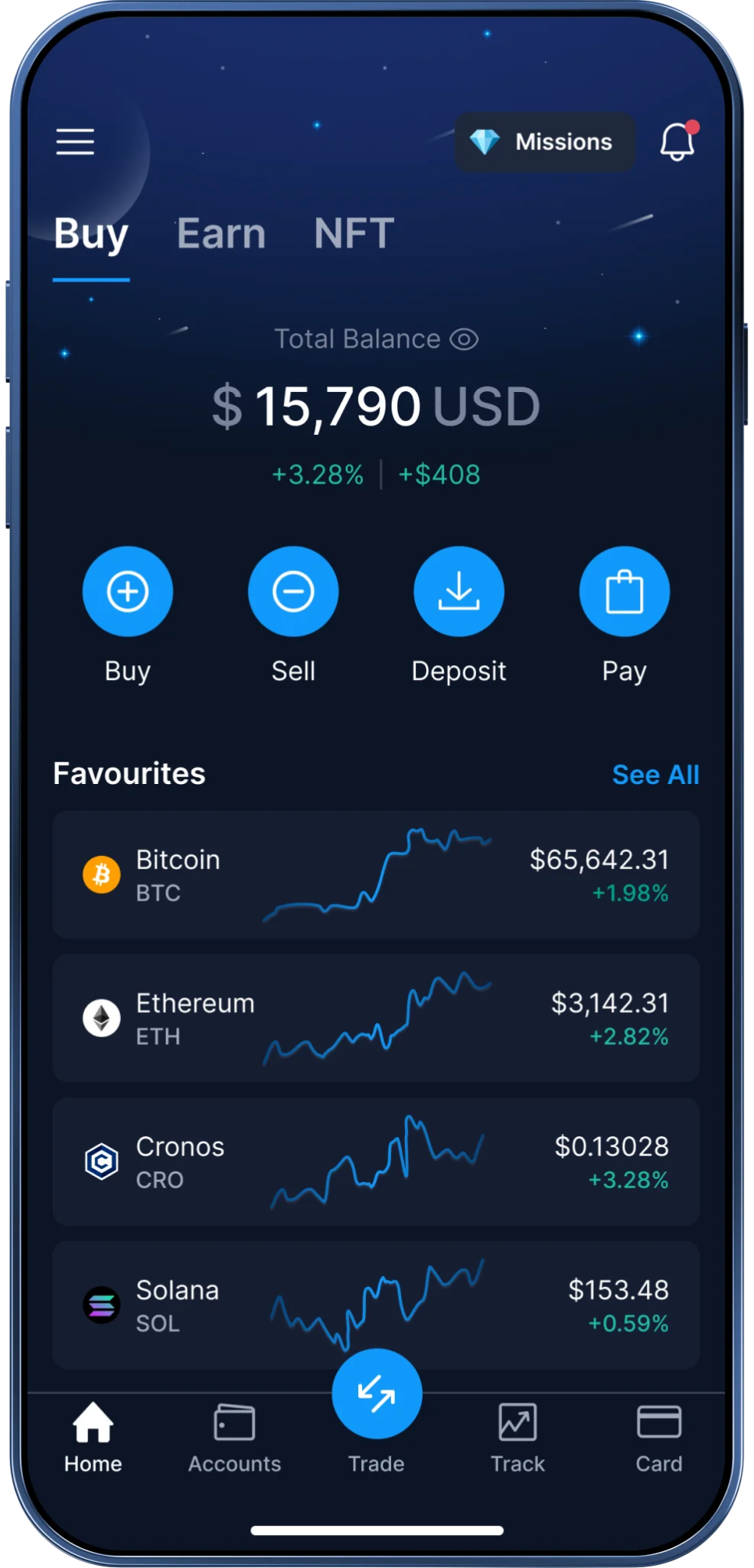
Crypto.com is probably one of the most complete mobile cryptocurrency trading apps, offering access to over 400 digital assets. The app is sleek, fast, and intuitive, allowing users to easily buy, sell, and manage their crypto portfolios with just a few taps. It supports a wide range of fiat currencies and integrates flawlessly with the Crypto.com Visa Card, letting users spend their crypto at over 80 million merchants worldwide.
Revolut
Revolut brings crypto into the mix as part of its broader mobile finance ecosystem. Through its easy-to-navigate app, users can buy, sell, and hold over 200 cryptocurrencies, alongside tools for budgeting, saving, and investing in traditional assets like stocks and commodities.
Its integration of crypto trading with everyday banking features makes it a strong choice for users who want everything in one place, without needing multiple apps for different asset types.
Robinhood
Robinhood delivers one of the most user-friendly mobile experiences for those new to crypto and traditional finance. Known for its zero-commission trading, the platform supports a growing list of digital assets, including trending meme coins like Dogecoin (DOGE) and Pepe (PEPE). The app’s minimalist design and intuitive interface make it easy for beginners to explore crypto without getting lost in complexity. For users who want a simple crypto app for casual trading, Robinhood is a popular and accessible choice.
Best crypto exchanges for NFTs, GameFi, and Web3
Some cryptocurrency exchanges are pushing beyond trading and becoming gateways to the next phase of the internet – where NFTs, blockchain gaming (GameFi), and Web3 applications converge.
OKX
OKX has positioned itself as a top-tier platform for users exploring NFTs, GameFi, and DeFi. Its built-in NFT marketplace allows users to mint, buy, and sell digital collectibles across categories like art, music, and metaverse assets. OKX also integrates GameFi projects, giving users early access to play-to-earn titles and blockchain-based games with real token rewards.
Beyond that, the exchange offers direct access to a suite of DeFi services – including staking, yield farming, and crypto lending.
Binance
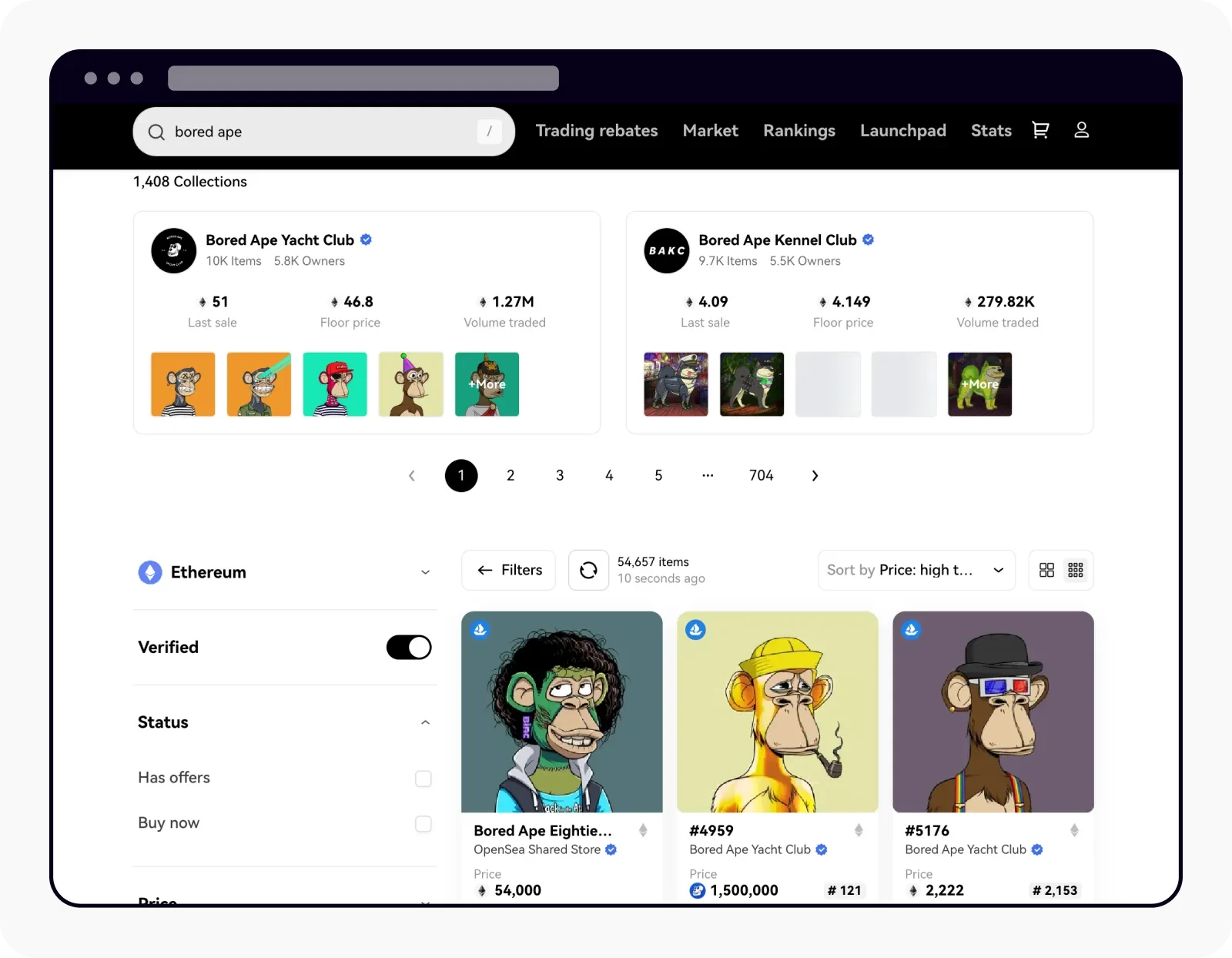
Binance brings its infrastructure power to the world of NFTs and Web3 through a dedicated marketplace launched in 2021. It supports a wide variety of NFT collections and benefits from high user liquidity.
Operating on the BNB chain, the marketplace is known for its low fees and fast transaction speeds – critical advantages for users minting or trading digital assets.
Crypto.com
Crypto.com has carved out a distinct space in the NFT world by focusing on high-profile sports NFT partnerships. Through deals with brands like UFC, Formula 1, and FIFA, it delivers exclusive access to digital collectibles tied to global events and fan communities.
The platform’s NFT marketplace is tailored for accessibility and ease of use, especially for users new to NFTs. With its focus on real-world integrations and branded drops, Crypto.com offers both mainstream appeal and blockchain innovation in the NFT and Web3 space.
Best crypto exchanges for passive income and staking
As more crypto holders look for ways to grow their assets without actively trading, staking and passive income products have become go-to strategies. The following platforms offer some of the best staking rewards, flexible yield products, and user-friendly tools for earning crypto passively.
Binance Earn
Binance Earn is one of the most robust offerings for passive income in crypto. It gives users access to over 300 assets through flexible and locked-term staking, letting them earn daily rewards with minimal effort.
Through Launchpool, users can stake BNB or other tokens to earn new project tokens before they list. Binance also offers Advanced Earn, which includes higher-risk, higher-reward products like Dual Investment and Liquidity Farming – ideal for users who want to explore more complex yield strategies.
SwissBorg
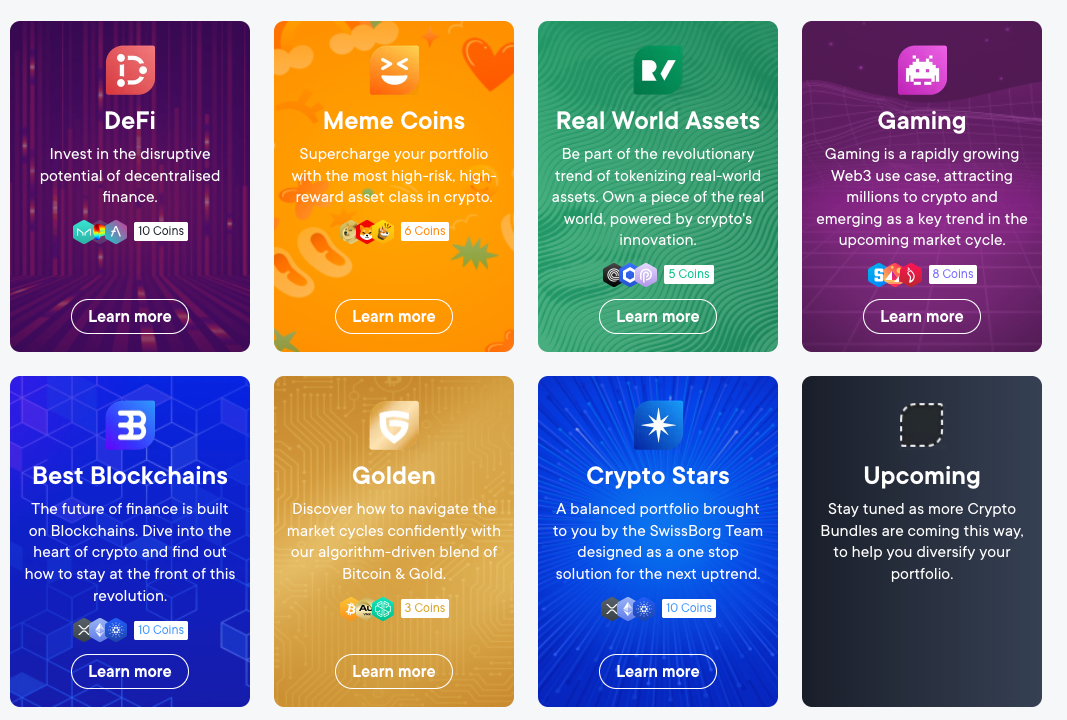
SwissBorg takes a more curated approach to passive income by offering Crypto Bundles, which group tokens by theme – such as DeFi, Layer-1s, or blockchain infrastructure – and automatically rebalance them to stay optimized. It’s an easy way to diversify and grow a portfolio without hands-on management.
SwissBorg also offers a Smart Yield Wallet, which connects to leading DeFi protocols to help users earn yield on assets like Bitcoin (BTC), Ether (ETH), and stablecoins. These tools are built to optimize returns while managing risk, making SwissBorg one of the best platforms for automated crypto investing and passive yield generation.
Crypto.com Earn
Crypto.com Earn offers a flexible platform for users to earn rewards across a wide range of cryptocurrencies. With flexible-term staking, users can earn interest while keeping access to their funds at any time. Those who commit to fixed-term staking can unlock higher returns by locking assets for durations like one or three months.
Additionally, DeFi staking is available directly through the app, allowing users to tap into decentralized finance yield strategies without the technical complexity. With a clean interface and wide asset support, Crypto.com Earn is a strong option for anyone looking to generate crypto staking rewards.
Best crypto exchanges for copy trading
Copy trading has become a powerful tool for crypto investors who want to benefit from the expertise of seasoned professionals. It allows users to automatically replicate the trades of top-performing traders, making it ideal for beginners or passive investors. The following platforms are recognized for having the best copy trading features and the most active trading communities.
Bitget
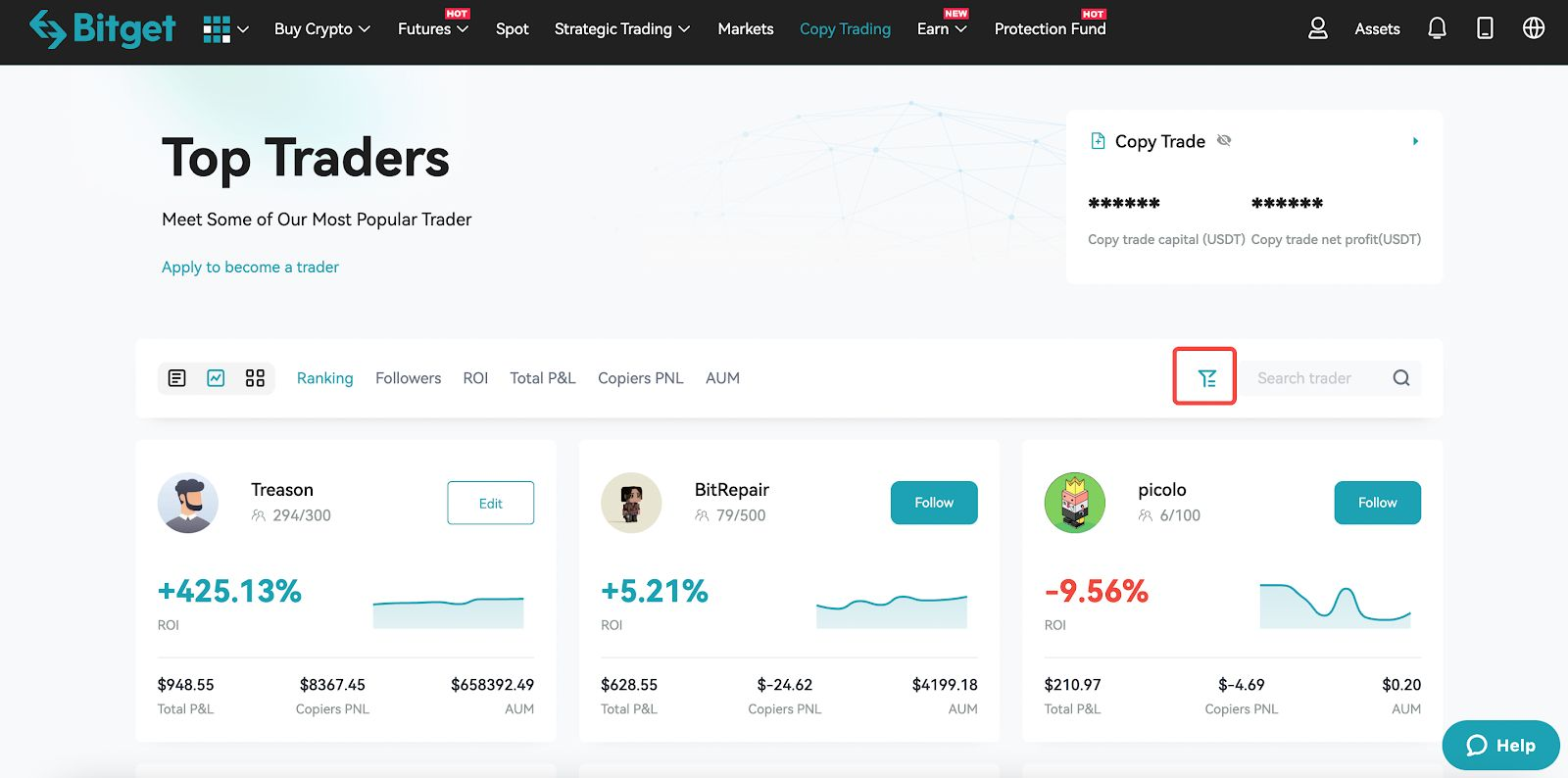
Bitget is widely regarded as one of the best platforms for crypto copy trading, offering an intuitive experience that makes it easy for anyone to get started. Its signature One-Click Copy Trade feature lets users instantly follow and mirror the trades of expert-level traders, without the need for manual order placement. Bitget supports a variety of trading styles, including futures copy trading, spot copy trading, and automated bot strategies, giving users flexibility in how they engage.
With a community of over 100,000 professional traders and more than 540,000 followers, Bitget has built a thriving ecosystem that connects newcomers with proven trading strategies. It’s an excellent choice for users looking for automated crypto trading with minimal complexity.
Bybit
Bybit is quickly becoming a major player in the social crypto trading space. Its Copy Trading Pro platform allows users to follow curated strategies from experienced traders, known as Pro Masters, offering a more structured and performance-oriented approach to automated trading. Bybit supports copy trading across a wide range of markets, including USDT perpetual contracts and crypto trading bots, making it suitable for users with different risk profiles.
The SyncMaster feature further enhances the experience by ensuring precise alignment between a master trader’s setup and the follower’s position sizing and risk management.
Best regulated cryptocurrency exchanges
Choosing a regulated crypto exchange adds a critical layer of trust, especially for users prioritizing transparency, investor protection, and legal compliance. The platforms below are recognized for operating under well-established regulatory frameworks across multiple jurisdictions.
CME Group
CME Group is one of the most trusted names in global finance and sets the benchmark for regulated cryptocurrency derivatives trading. It operates multiple Designated Contract Markets (DCMs) including CME, CBOT, NYMEX, and COMEX – all registered with the U.S. Commodity Futures Trading Commission (CFTC).
CME Group offers both Bitcoin and Ethereum futures and options, making it the local for institutional crypto investors looking for a fully regulated environment.
Coinbase
Coinbase is a leading U.S.-regulated cryptocurrency exchange and the first major crypto company to become publicly listed on NASDAQ. The company complies with strict U.S. financial regulations and has filed key reports, including Form S-1, with the Securities and Exchange Commission (SEC).
It has also secured approval from the National Futures Association (NFA) to offer regulated crypto futures trading to eligible U.S. customers under CFTC oversight. This makes Coinbase one of the most transparent and compliant exchanges available, especially for American investors seeking a secure crypto platform with regulatory backing.
Bitstamp
Bitstamp is one of the longest-operating crypto exchanges in the world and is well-known for its strong alignment with European Union regulations. Since 2016, it has been regulated by the Luxembourg Financial Regulator, allowing it to operate legally across all 27 EU Member States.
Recently, Bitstamp secured a MiFID Multilateral Trading Facility (MTF) license, which authorizes the exchange to offer regulated crypto derivatives like perpetual swaps to both retail and institutional investors.
Gemini
Gemini is a fully regulated crypto exchange and custodian, operating under strong compliance frameworks since its launch in New York in 2014. It holds licenses to operate in over 70 countries, and follows strict regulatory standards in each region. Gemini is also expanding into Europe, having secured in-principle approval from Malta’s financial regulator for an investment firm license.
HashKey Exchange
HashKey Exchange is the first platform in Hong Kong to receive full retail approval under the region’s new virtual asset regulations. Licensed by the Securities and Futures Commission (SFC), HashKey operates under Type 1 (Dealing in securities) and Type 7 (Automated trading services) licenses. This ensures strict compliance with Hong Kong’s evolving regulatory standards for digital assets.
As it expands its presence across Asia, HashKey is positioning itself as a leading regulated crypto exchange in the Asia-Pacific region.
Did you know? In April 2025, the U.S. Department of Justice announced a significant reduction in enforcement actions against cryptocurrency firms, reflecting a shift towards a more lenient regulatory environment in the U.S.
Best crypto exchanges by region
Choosing a crypto exchange based on your region ensures compliance with local regulations, faster fiat integrations, better support, and a smoother overall experience. Below are some of the best region-specific cryptocurrency exchanges, organized by geographic markets.
United States
- Kraken: Founded in 2011, Kraken is one of the longest-standing crypto exchanges in the U.S., known for its robust security, regulatory compliance, and support for both beginner and pro-level trading. It’s frequently listed among the safest and most trusted platforms for American users.
- Coinbase: Launched in 2012 and headquartered in San Francisco, Coinbase is a publicly listed exchange on NASDAQ and regulated by multiple U.S. authorities. It offers a highly intuitive user interface and a wide range of supported cryptocurrencies. Coinbase has also secured approval to offer regulated crypto futures trading in the U.S., giving it a firm institutional edge.
- Gemini: Operating since 2014 from New York City, Gemini is a full-reserve, U.S.-regulated cryptocurrency exchange. With licenses in over 70 countries, Gemini provides a strong regulatory foundation along with a secure, transparent environment for crypto trading and custody.
- Fidelity Crypto: A division of Fidelity Investments, Fidelity Crypto brings institutional trust into the digital asset space. It offers services like the Fidelity Bitcoin and Ethereum Index, allowing clients to gain exposure to crypto via market-cap-weighted investment products.
Europe
- Bitstamp: One of the most established European crypto exchanges, Bitstamp was founded in 2011 and is now licensed across all 27 EU Member States. Its recent MiFID MTF license allows it to offer regulated crypto derivatives, making it ideal for both institutional and retail investors.
- Revolut: A popular UK-based fintech app, Revolut now includes crypto trading features alongside banking, stock investing, and budgeting tools. With access to over 200 cryptocurrencies, it’s an excellent choice for all-in-one finance management.
- Bitpanda: Based in Vienna, Austria, Bitpanda is a multi-asset trading platform offering cryptocurrencies, stocks, ETFs, and metals. It’s fully licensed in Europe and built for users who want broad asset exposure with EU-level protections.
- Bitvavo: Operating out of the Netherlands, Bitvavo is known for its low trading fees and ease of use. It supports dozens of cryptocurrencies and is becoming a go-to exchange in the EU, especially for beginners and high-volume retail traders.
Asia
- Upbit: One of the most prominent crypto exchanges in South Korea, Upbit offers extensive token listings and a strong trading engine. However, it has faced KYC-related scrutiny, reflecting the increased regulatory tightening in the region.
- Bithumb: Another major Korean exchange, Bithumb offers deep liquidity and wide asset support. It’s actively navigating regulatory compliance and continues to be a key player in the South Korean market.
- Bitbank: Based in Japan, Bitbank is a well-regarded platform with a clean user interface and solid adherence to Japanese crypto regulations. It’s a strong choice for users looking for a secure and localized experience in Japan.
- Coincheck: Also headquartered in Japan, Coincheck offers access to a variety of digital assets. After suffering a major hack in 2018, it has rebuilt its reputation with strict security upgrades and regulatory oversight.
Did you know? Asia leads in cryptocurrency adoption, with over four times more users than any other continent.
Middle East and North Africa (MENA)
- Bybit: Bybit has expanded into the UAE and broader MENA region by securing a provisional Virtual Asset Service Provider (VASP) license in Dubai. This move aligns with the growing regulatory clarity in the region and supports its ambitions as a global derivatives powerhouse.
- OKX: OKX has received regulatory approval from the Dubai Virtual Assets Regulatory Authority (VARA), enabling it to offer spot trading services to both institutional and qualified retail clients.
Best decentralized exchanges (DEXs)
Decentralized exchanges (DEXs) allow users to trade cryptocurrencies directly with one another – without intermediaries or centralized control. These platforms are built on specific blockchains and often showcase the strengths of their respective ecosystems. Below are some of the best DEXs by network, known for liquidity, user experience, and on-chain innovation.
Uniswap (Ethereum)
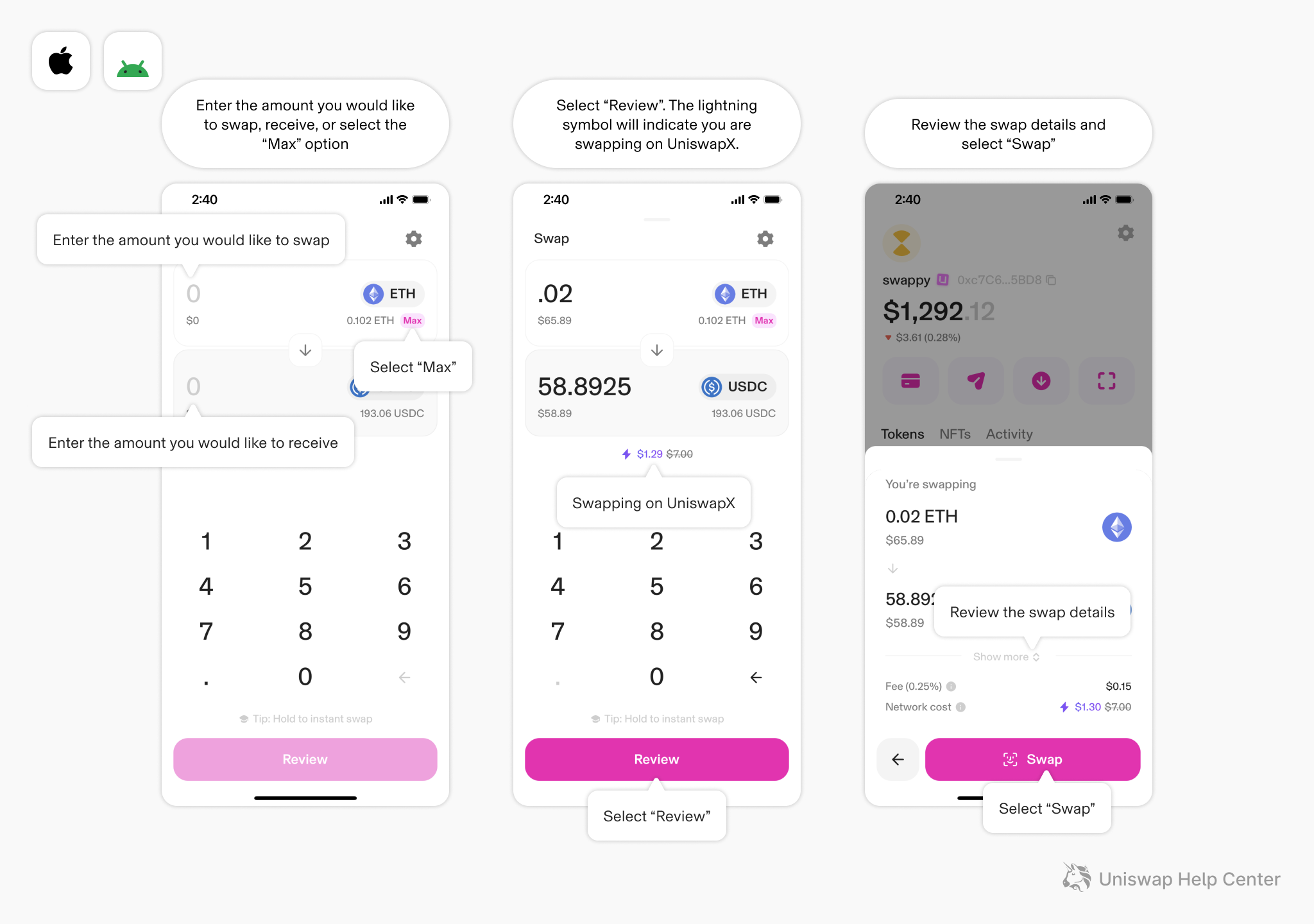
Uniswap is the most recognized decentralized exchange on Ethereum, supporting flawless ERC-20 token swaps through its Automated Market Maker (AMM) model. As one of the earliest DEXs to gain mainstream adoption, Uniswap has played a key role in the rise of decentralized finance (DeFi).
Its permissionless, open-source protocol enables users to provide liquidity and trade directly from their Ethereum wallets, with no need for KYC or account registration. Uniswap continues to dominate DEX volume on Ethereum and is often the first to list new tokens.
Trader Joe (Avalanche)
Trader Joe is the go-to DEX on Avalanche, combining token swaps with a broader DeFi suite that includes lending, staking, and yield farming. Its slick, user-friendly interface and fast finality – thanks to Avalanche’s high-speed consensus – make Trader Joe a central hub for DeFi activity in the Avalanche ecosystem.
QuickSwap (Polygon)
QuickSwap is a high-speed, low-fee DEX on the Polygon network, offering ultra-fast ERC-20 token swaps thanks to its Layer 2 scalability.
Built on Uniswap’s AMM architecture, QuickSwap supports the same functionality but operates at a fraction of the gas cost. It’s ideal for traders seeking a cost-efficient way to interact with DeFi and explore new tokens in the Polygon ecosystem without the congestion or expense of Ethereum mainnet.
PancakeSwap (Binance Smart Chain)
PancakeSwap is the largest and most active decentralized exchange on the BNB chain, facilitating swaps between BEP-20 tokens. The platform also features staking, yield farming, lotteries, and an NFT marketplace.
With significantly lower fees than Ethereum-based platforms and a growing list of supported tokens, PancakeSwap is a top choice for users looking to explore DeFi on a budget.
SundaeSwap (Cardano)
SundaeSwap is one of the first Cardano-based decentralized exchanges, offering token swaps and liquidity provision on the ADA blockchain. As Cardano’s DeFi ecosystem matures, SundaeSwap remains a foundational player, enabling users to trade ADA and other native tokens without relying on centralized platforms.
With a focus on scalability and Cardano-native design, it’s a promising option for those invested in the Cardano ecosystem and seeking non-custodial trading solutions.
Bottom line: The best crypto exchange is the one that works for you
With so many platforms available, choosing the best crypto exchange in 2025 comes down to matching features to your goals. Whether you’re after low trading fees, access to a wide range of altcoins, or a platform built for copy trading, staking, or NFTs, the right fit is out there.
This guide gave you a side-by-side look at the top cryptocurrency exchanges based on real use cases. From beginner-friendly crypto platforms to advanced trading tools, your ideal exchange will depend on how you trade, where you’re based, and what you’re trying to achieve.
As a final thought – If you’re interested in trying any of the exchanges mentioned today, be sure to check whether you can claim a sign-up bonus through our affiliate links placed throughout this article.
Frequently Asked Questions (FAQ)
1. What factors should I consider when choosing a cryptocurrency exchange?
When selecting a cryptocurrency exchange, it’s crucial to evaluate several key aspects to ensure a secure and efficient trading experience.
First, assess the security measures implemented by the exchange, such as two-factor authentication (2FA), cold storage options, and insurance policies to protect your assets.
Next, examine the fee structure, including trading fees, withdrawal charges, and any hidden costs, as these can significantly impact your profitability.
Additionally, consider the range of supported cryptocurrencies to ensure the platform offers the digital assets you’re interested in trading. The user interface should be intuitive and user-friendly, facilitating flawless navigation and trade execution.
Lastly, verify the exchange’s regulatory compliance and reputation within the crypto community to ensure it operates within legal frameworks and maintains a trustworthy standing.
2. How do trading fees vary across different crypto exchanges?
Trading fees can differ widely among crypto exchanges, affecting your overall trading costs.
Some platforms, like Kraken, are known for their low fee structures, with maker fees ranging from 0.00% to 0.25% and taker fees from 0.10% to 0.40%. Others, such as Coinbase, may have higher fees, including a 0.50% spread for buy/sell transactions and additional transaction fees ranging from $0.99 to $2.99.
It’s essential to review and compare the fee schedules of various exchanges, considering factors like your trading frequency and volume, to choose a platform that aligns with your cost expectations.
3. Are cryptocurrency exchanges regulated, and why does it matter?
Regulation of cryptocurrency exchanges varies by jurisdiction, but choosing a regulated exchange is vital for ensuring security and legal compliance.
Regulated platforms are subject to oversight by financial authorities, which mandates adherence to specific operational standards, including implementing robust security protocols and maintaining transparent financial practices.
For instance, Coinbase is a publicly listed company in the U.S. and complies with stringent regulatory requirements, providing users with a higher level of trust and protection. Opting for a regulated exchange helps safeguard your investments and ensures recourse in case of disputes or issues.
4. What is the difference between a centralized and a decentralized exchange?
A centralized exchange (CEX) operates as an intermediary between buyers and sellers, managing the order book and custody of assets. Examples include Binance and Coinbase, which offer user-friendly interfaces and high liquidity but require users to trust the platform with their funds.
In contrast, a decentralized exchange (DEX) facilitates peer-to-peer trading without a central authority, allowing users to retain control of their private keys and funds. Platforms like Uniswap and SushiSwap exemplify DEXs, offering increased privacy and security but often with less liquidity and a steeper learning curve.
Your choice between a CEX and a DEX should depend on your priorities regarding security, control, and ease of use.
5. How can I ensure the security of my funds on a crypto exchange?
To enhance the security of your funds on a crypto exchange, start by selecting platforms with robust security features, such as two-factor authentication (2FA), cold storage solutions, and insurance policies.
Exchanges like Gemini are renowned for their strong security measures, including comprehensive insurance coverage for digital assets.
Additionally, consider using a hardware wallet for storing significant amounts of cryptocurrency, as this keeps your private keys offline and less susceptible to hacking.
Regularly updating your passwords and being vigilant against phishing attempts further bolsters your asset security.
6. Can I trade cryptocurrencies on my mobile device?
Yes, many cryptocurrency exchanges offer mobile applications that enable users to trade digital assets conveniently from their smartphones or tablets. For example, Crypto.com provides a highly-rated mobile app with an intuitive interface, allowing users to buy, sell, and manage over 250 cryptocurrencies on the go.
Similarly, Coinbase and Binance offer robust mobile platforms with comprehensive trading features. When choosing a mobile app, ensure it offers the necessary security features, a user-friendly interface, and access to the cryptocurrencies you wish to trade.
Subscribe to daily byte-sized crypto news from Cointelegraph
Cointelegraph publishes long-form journalism, analysis and narrative reporting produced by Cointelegraph’s in-house editorial team with subject-matter expertise. All articles are edited and reviewed by Cointelegraph editors in line with our editorial standards. Some articles contain affiliate links, from which Cointelegraph may earn a commission. These relationships do not influence which products we review or our editorial conclusions. Content published in here does not constitute financial, legal or investment advice. Readers should conduct their own research and consult qualified professionals where appropriate. Cointelegraph maintains full editorial independence.
More on the subject