

 Written by Nate Kostarstaff writerEdited by Ana Paula Pereiraformer editor
Hong Kong defends ‘same risk, same regulation’ approach for crypto at WEF
Latest NewsPublishedJan 20, 2026
Speaking at a closed-door workshop in Davos, Finance Secretary Paul Chan said digital assets require regulatory guardrails alongside innovation.
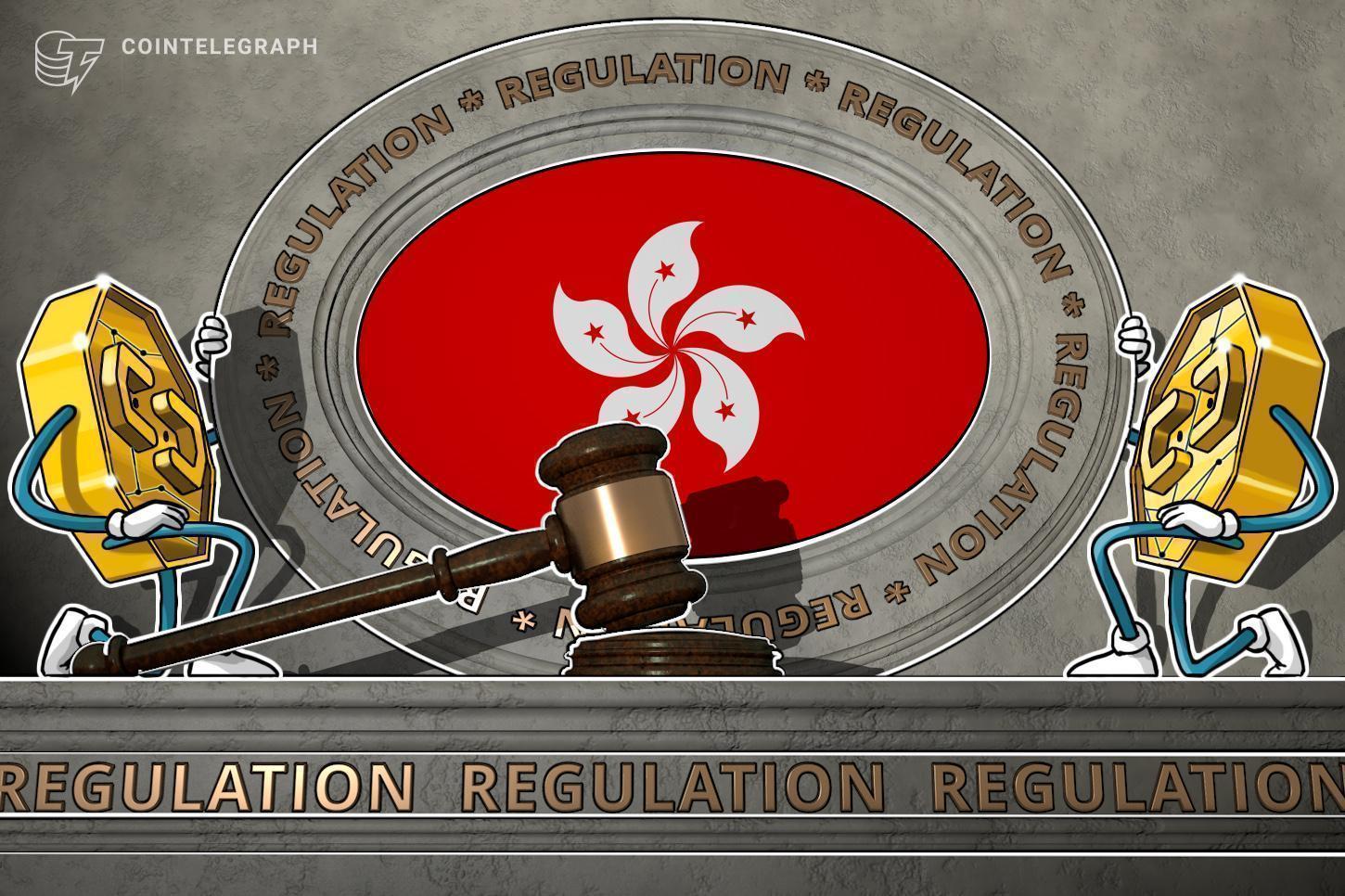
Hong Kong Finance Secretary Paul Chan defended the city’s “same activity, same risk, same regulation” framework for digital assets while speaking at the World Economic Forum in Davos, according to the South China Morning Post.
Speaking at a closed-door workshop in Switzerland on Tuesday, Chan said finance and technology were increasingly intertwined but required a balanced regulatory approach. He said:
Digital assets should serve the real economy. But we must also build strong guardrails to address risks to financial stability, market integrity and investor protection.
Chan pointed to the city’s “same activity, same risk, same regulation” principle for digital assets, which he said guides how the sector is regulated. The principle means digital asset businesses are regulated according to the risks of their activities rather than the technology they use.
He cited existing measures including a licensing regime for virtual asset trading platforms and a Hong Kong Monetary Authority pilot testing transactions using tokenized deposits and digital assets, according to the SCMP.
Chan added that stablecoin licenses are expected to be issued in the first quarter, and that Hong Kong has already issued three batches of tokenized green bonds, conventional debt issued onchain to fund environmental projects, totaling $2.1 billion since 2023.
Related: Hong Kong industry group pushes to soften CARF rules
Hong Kong’s push into asset tokenization
Hong Kong, a special administrative region of China that has emerged as a global crypto hub, has increasingly pointed to tokenization as a practical use case for digital assets.
In October, a Hong Kong-based subsidiary of China Merchants Bank (CMB) tokenized a $3.8 billion US dollar money market fund on BNB Chain, issuing the fund onchain through CMB International Asset Management.
The Hong Kong Monetary Authority (HKMA) recently said its Fintech 2030 strategy will prioritize data, artificial intelligence, resilience and tokenization under a framework known as DART, outlining more than 40 initiatives aimed at expanding the city’s tokenization ecosystem over the next five years.
In November 2025, Brazilian digital bank Banco Inter completed a blockchain-based trade finance pilot with Chainlink, the Central Bank of Brazil and the Hong Kong Monetary Authority, testing cross-border settlement between Brazil and Hong Kong. The two countries are major trading partners and both are members of the BRICS bloc.
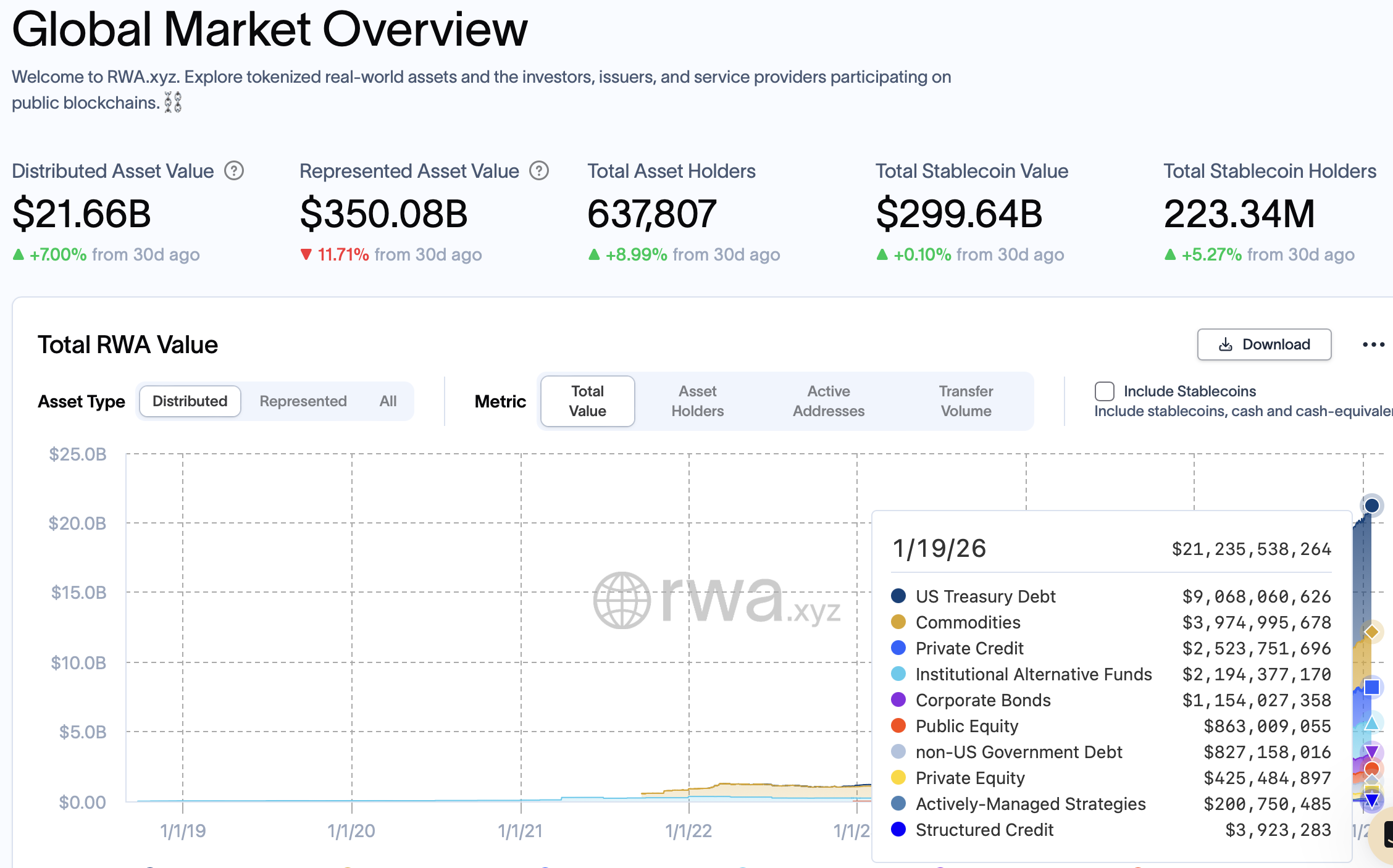
Tokenized real world asset overview. Source: RWA.xyz
Magazine: Indians slam Pudgy Penguins, ex-digital yuan boss’s crypto scandal: Asia Express


Subscribe to daily byte-sized crypto news from Cointelegraph
Cointelegraph is committed to independent, transparent journalism. This news article is produced in accordance with Cointelegraph’s Editorial Policy and aims to provide accurate and timely information. Readers are encouraged to verify information independently.
More on the subject