

Written by Emre GünenCommissioned Content
Written by Emre GünenCommissioned Content
The ‘no-lockup’ crypto staking model most users miss
CommissionedPublishedJan 6, 2026
The rising demand for clarity in digital finance is giving rise to a new savings model that accumulates value in real-time while eliminating lockup requirements.

Commissioned byBUCK
Disclaimer. This content is part of a paid partnership. The text below is a sponsored article that is not part of Cointelegraph.com editorial content. The material is written by our advertorial team and has undergone editorial review to ensure clarity and relevance, it may not reflect the views and opinions of Cointelegraph.com. Readers are encouraged to conduct their own research before taking any actions related to the company. Disclosure.

BUCK offers an indirectly Bitcoin-linked, real-time savings model that lets users grow the value of their digital assets without locking them up or giving up control.
Crypto asset participation once followed a familiar pattern. Users staked their tokens, accepted the lockup and waited for incentives. Over time, some users have become increasingly uncomfortable with the trade-offs.
Lockups can be fixed, early exits may carry penalties, and it isn’t always clear how incentives are produced. That leaves users choosing between restricting access to funds or keeping liquidity while assets sit idle.
In response, more products have emerged that prioritize liquidity and user control, while still offering mechanisms that may increase holdings over time.
A liquid, always-on savings approach
BUCK, an indirectly Bitcoin-linked digital savings token, operates within this emerging category and is designed to begin reflecting distributions as it sits in a user’s wallet, without requiring any staking steps.
For individuals who want to keep their savings accessible while also tracking changes in their balance over time, BUCK is positioned as a middle ground. Because it does not require staking, lock-up periods or third-party protocols, the model is positioned for people who prefer a simple and transparent savings experience.
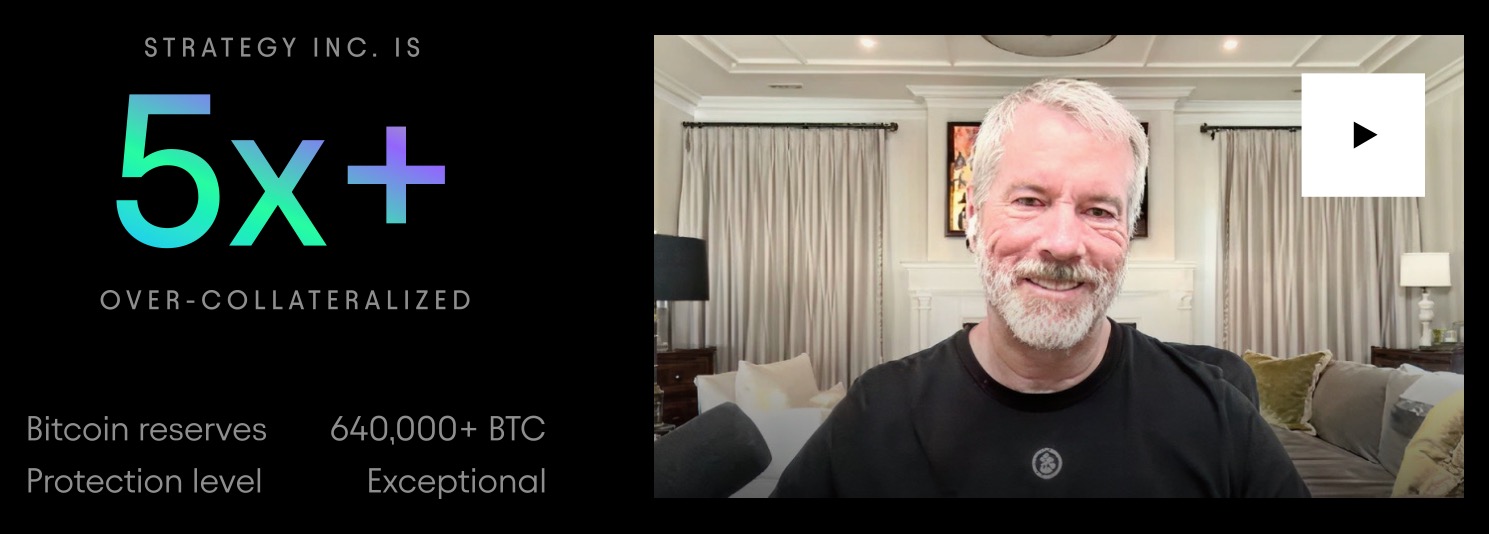
BUCK’s distribution structure builds on Strategy Inc.’s STRC preferred equity model, which is alongside a Bitcoin-collateral framework. Recent disclosures indicate that Strategy holds more than 660,000 BTC, placing it among the largest corporate holders of the asset.
Beyond collateralization, BUCK’s distribution process is built on a transparent governance process. Distributions are subject to a DAO vote, adding visibility into how items are proposed and executed rather than relying on systems that keep those details out of view.
The system also lets users observe the growth of their holdings the moment changes occur. Since tokens stay in each user’s own wallet throughout, custody remains with the user’s own wallet. Distributions are issued monthly, and at no point are funds locked.
How do different user groups benefit
Everyday users tend to experience BUCK as a flexible kind of digital savings tool, one that lets them move funds whenever they need while tracking balance changes over time. Because tokens aren’t required to be staked, users gain a straightforward way to keep their holdings productive.
For traders, it works as a temporary home for capital when they want to pause without disconnecting from the market. The token offers the potential for value appreciation while it remains in the wallet, and users can move funds back into a position as soon as conditions shift. It helps reduce downtime in trading strategies and helps reduce idle time between trades.
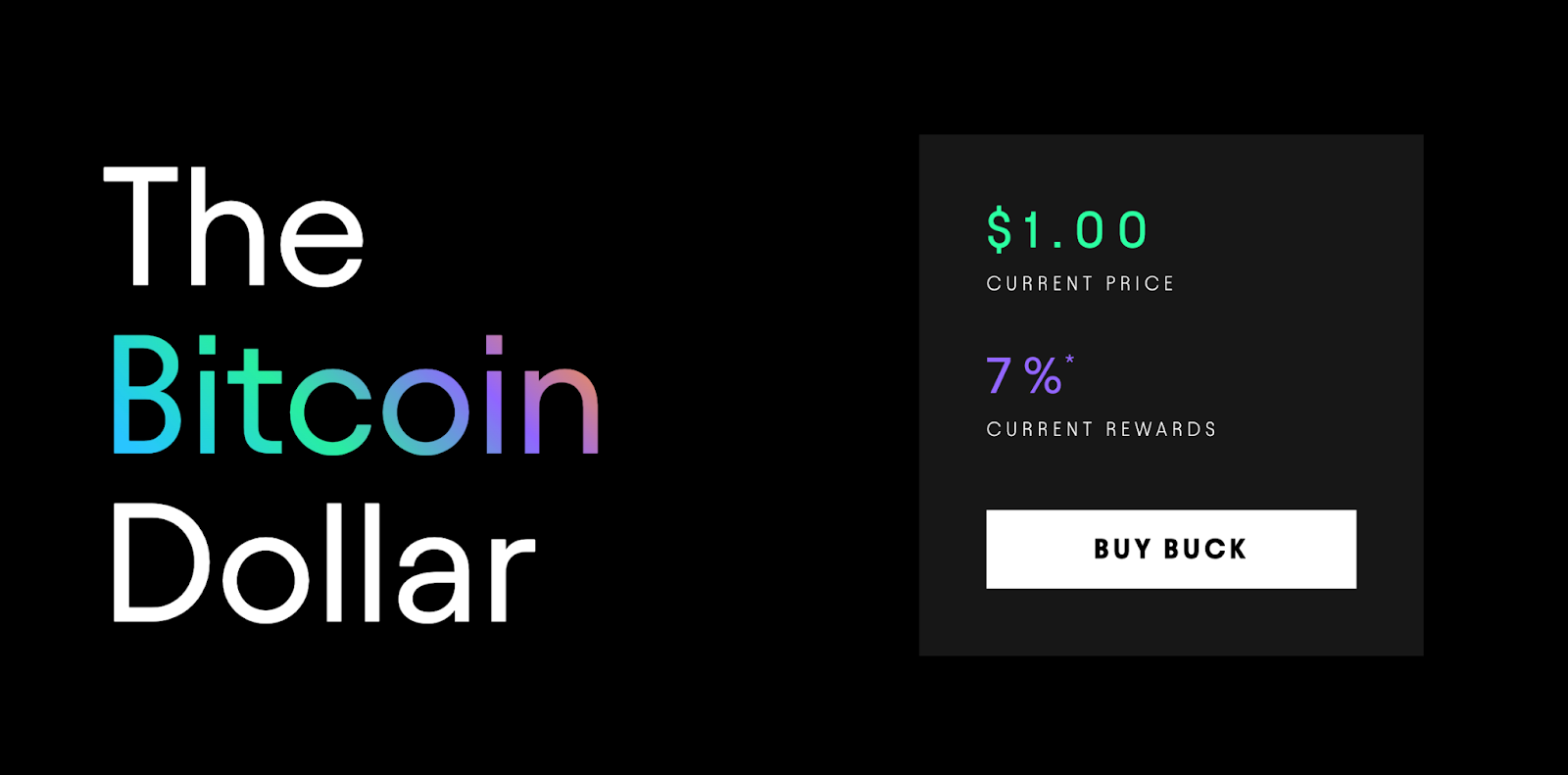
BUCK positions itself as a Bitcoin Dollar. Source: BUCK
For people moving funds across borders, BUCK can be transferred similarly to other onchain tokens. Once Buck’s treasury of STRC receives revenue, holders remain eligible for any future distributions subject to DAO vote, which can be important in places with high inflation. Cross-border transfers can also be completed at a lower cost than traditional bank or remittance channels, providing users with a more accessible way to transfer value.
Larger institutions, by contrast, often approach BUCK with an eye toward how it handles governance, collateralization and operational risk. The combination of STRC preferred equity income, a collateral base anchored in Bitcoin, and DAO-approved distribution mechanics provides a structure that treasuries and funds can assess within their existing frameworks.
More people are now seeking savings tools that keep assets accessible while offering mechanisms that may enhance outcomes compared to idle holdings. BUCK is one of the projects adapting to those expectations. Its model combines a liquidity-first design, governance visibility and user custody, illustrating how savings-focused digital assets are beginning to evolve in response to what users actually need.
Subscribe to daily byte-sized crypto news from Cointelegraph
This content is part of a paid partnership. The text below is a commissioned article that is not part of Cointelegraph editorial content. The material is written by our advertorial team and has undergone editorial review to ensure clarity and relevance, it may not reflect the views and opinions of Cointelegraph.com. Readers are encouraged to conduct their own research before taking any actions related to the company. Disclosure.
More on the subject