

Written by Nihatcan YanikCommissioned Content
Written by Nihatcan YanikCommissioned Content
‘Booking alone is not enough anymore’ — Interview with Jeff Hoffman
CommissionedPublishedApr 21, 2026
Staynex chairman shares his perspective on AI and how Web3 travel companies are approaching product development.
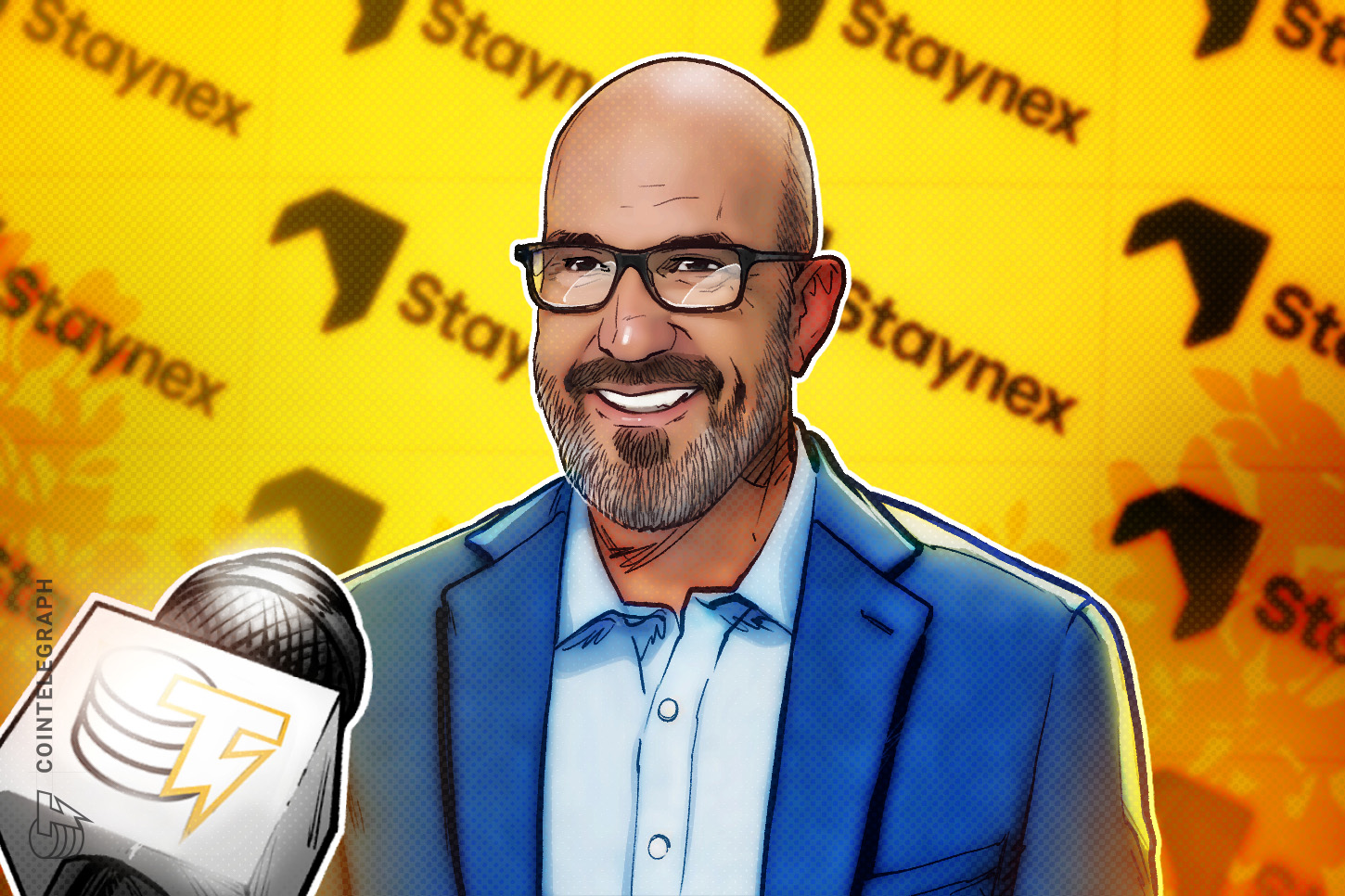
Commissioned byStaynex

The global travel economy is currently grappling with a structural plateau where the efficiencies of legacy distribution come at the expense of transparency and aligned user incentives.
Jeff Hoffman helped define the current digital booking era as a co-founder of Priceline, which later acquired Booking.com and became the Nasdaq-listed Booking Holdings boasting a market cap of $152 billion as of April 20.
Today, as chairman of social travel platform Staynex, he is leveraging that experience to guide a transition toward an AI-driven Web3 framework. In this interview, Hoffman discusses the structural fragmentations in traditional travel and why he believes the industry is due for a shift toward ownership and community-led commerce.
Cointelegraph: What was your main focus before being introduced to Web3?
Jeff Hoffman: My focus was always the same: find big, broken markets and make them simpler, more transparent, and more valuable. Before Web3, I was obsessed with removing friction in booking and distribution.
What drew me to Web3 wasn’t hype — it was the chance to rethink ownership and incentives. Travel is still too fragmented. That’s why I believe social travel powered by Web3 and AI is the right next step.
CT: How do you see the disruption that Web3 has brought to the traditional travel agency model?
JH: Traditional online travel agencies (OTAs) did something great, but they also added layers — intermediaries, hidden economics and loyalty structures that benefit the platform more than the traveler. Web3 flips that. Direct relationships, transparency, faster settlement.
For investors, that’s where big opportunities come from: better margins and better user experience at the same time. The next winners won’t just list hotels. They’ll build ecosystems that cut friction and give value back to the traveler. That’s structural change, not a feature.
CT: Which global market trends are favoring Web3 and AI social travel platforms over legacy intermediaries?
JH: Three trends matter most. First, travelers want flexibility and real rewards — not points that expire. Second, digital payments and borderless commerce are normal now, especially for younger users. Third, people trust communities more than ads.
Legacy systems weren’t built for any of this. Social travel platforms powered by Web3 and AI are. They combine booking, payments, rewards and personalization into one experience. That’s what modern travelers expect — and what legacy OTAs struggle to deliver.
CT: What inspired you to transition from traditional OTAs to the Staynex platform?
JH: I didn’t join Staynex because it had a Web3 label. I joined because travel is shifting again, and Staynex is positioned for that shift. Booking alone isn’t enough anymore. The next leaders will combine commerce, rewards, AI and payments.
Staynex wasn’t trying to be a slightly better OTA — it was building for how people actually travel today. And here’s the thing: Staynex has announced that its token, STAY, will begin listing on three top-10 exchanges starting 23 April 2026. That’s real momentum, not just talk.
Our $STAY token will be listed on not one, not two but THREE top 10 exchanges, covering a wide geographical reach, globally. pic.twitter.com/orf83ib7kp— Staynex ™ (@staynexcom) April 17, 2026
CT: How does Staynex address the industry inefficiencies you identified during your time at Priceline?
JH: The biggest problem is fragmentation. The traveler experiences one journey but the industry delivers it through disconnected systems, incentives and relationships. That creates friction and loses value.
Staynex fixes that by bringing booking, flexible payments, AI-driven planning and rewards into one connected ecosystem. For investors, that means better retention and lifetime value. For users, it just makes travel easier and more rewarding. This is what we call a Web2.5 dual-track model — Web2 scale with Web3 incentives. It works.
CT: What factors regarding the Staynex team gave you the confidence to become chairman of this project?
JH: I back people first. Always have. Markets and ideas matter, but execution is everything. What convinced me? The team focused on utility, not narrative. In Web3, that’s rare. Narrative gets attention — but only execution earns trust.
I saw a team that understood product, adoption and long-term value. They weren’t looking for shortcuts. I say no to almost everything. Here, I said yes because they had the discipline and ambition to build something real.
CT: How will blockchain and AI redefine global travel as a social experience over the next decade?
JH: Here’s the simple version: travel will move from one-off transactions to ongoing relationships. Blockchain enables transparent rewards and seamless cross-border payments. AI delivers personalization and smart recommendations. Together, they make travel feel connected, not fragmented.

Source: Staynex
You won’t think about the tech — you’ll just notice faster bookings, better rewards and trips that feel tailored to you. That’s the future. And for investors, that’s when a new layer becomes infrastructure, not novelty. Travel has the scale to make that happen.
CT: What is your long-term prediction regarding Web3 and AI social travel platforms vs. traditional OTAs?
JH: OTAs aren’t going away. But the center of value will shift. The most valuable platforms won’t just aggregate supply — they’ll own the relationships around payments, loyalty and community. That’s where social travel platforms have an edge.
Features like programmable rewards and AI recommendations will become standard, not special. The winners will be the ones aligned with how digital users actually want to travel. In my view, travel is still one of the most underrated opportunities in Web3 — and social travel is the clearest entry point.


Subscribe to daily byte-sized crypto news from Cointelegraph
This content is part of a paid partnership. The text below is a commissioned article that is not part of Cointelegraph editorial content. The material is written by our advertorial team and has undergone editorial review to ensure clarity and relevance, it may not reflect the views and opinions of Cointelegraph.com. Readers are encouraged to conduct their own research before taking any actions related to the company. Disclosure.
More on the subject