Inflation
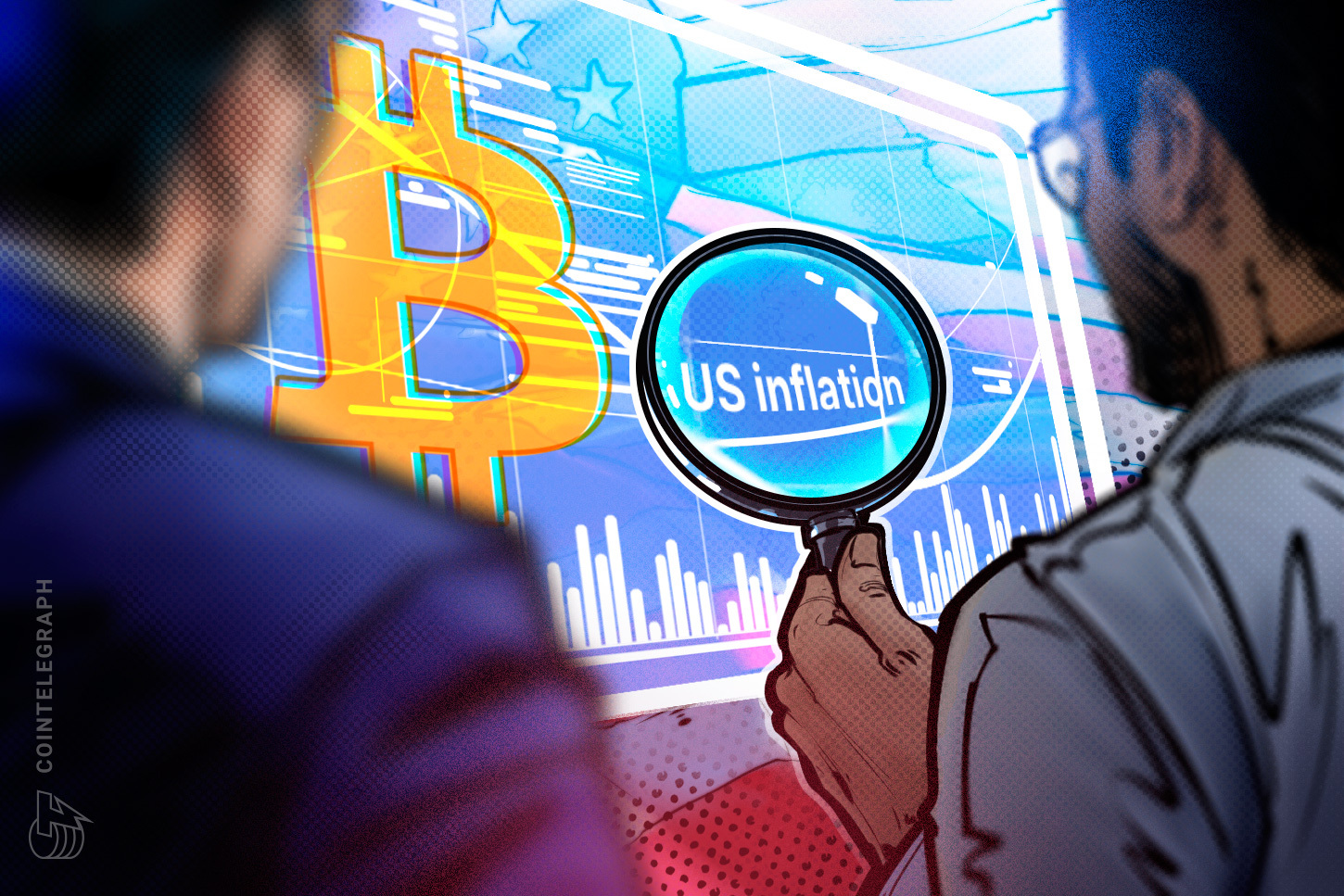
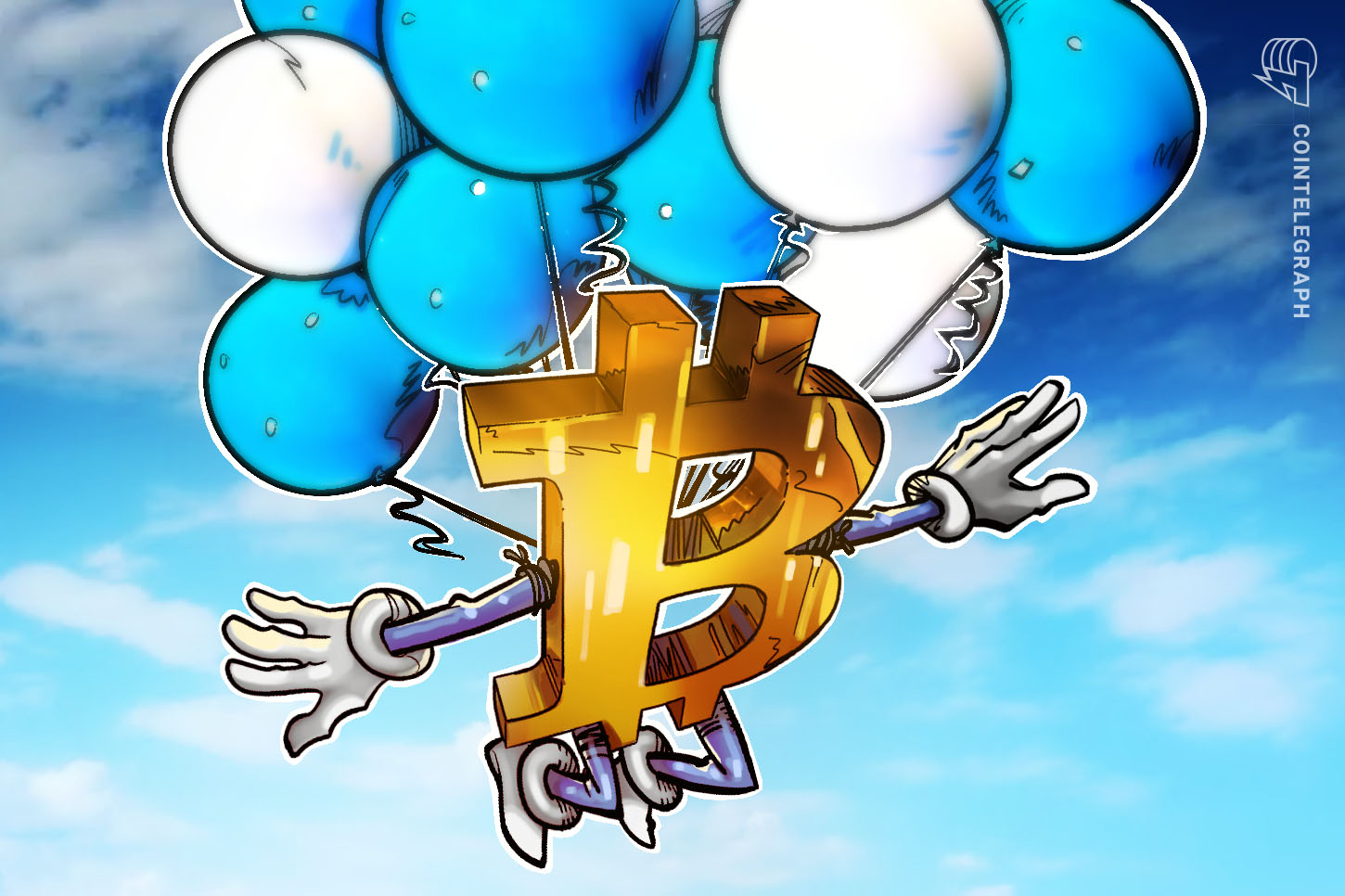
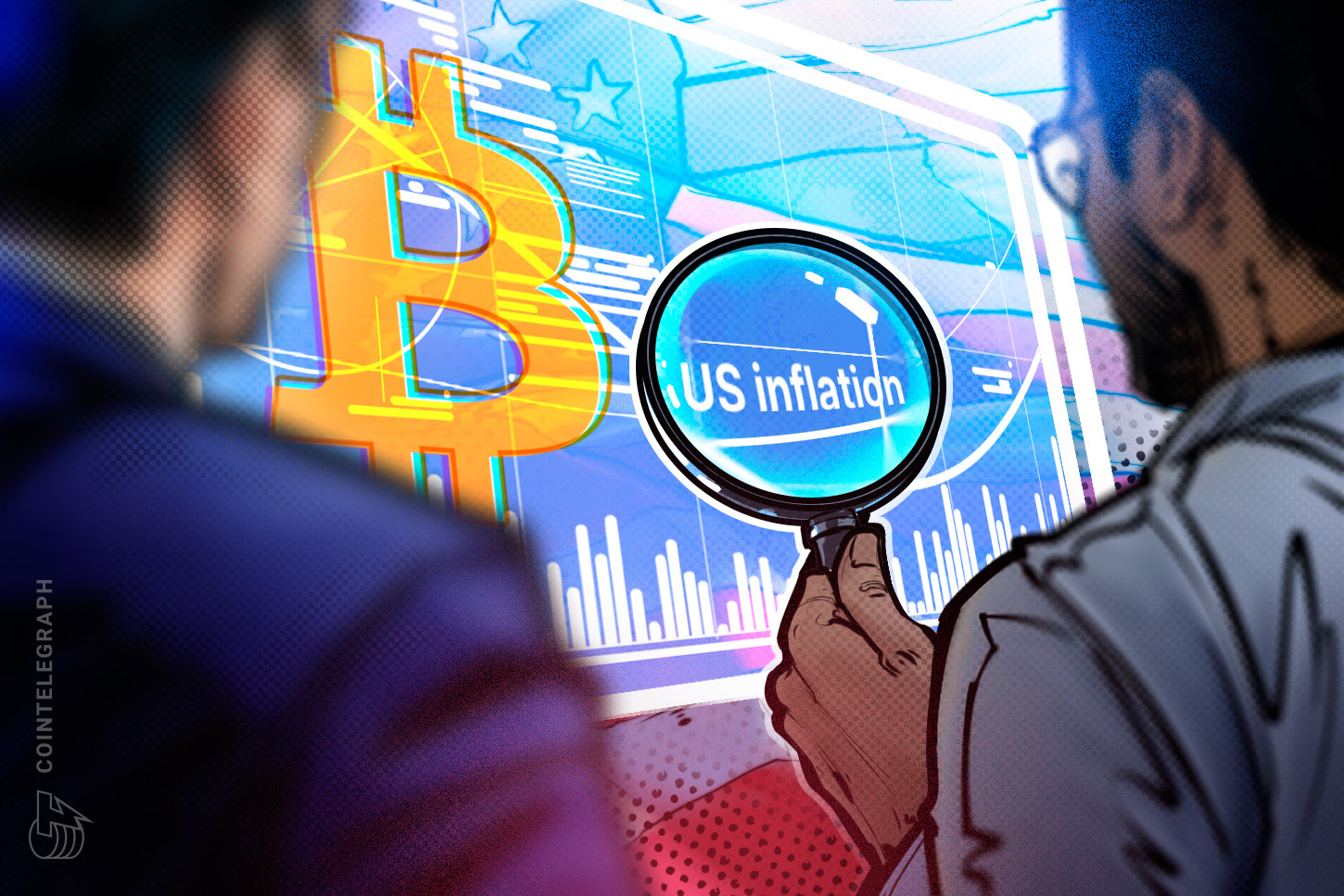
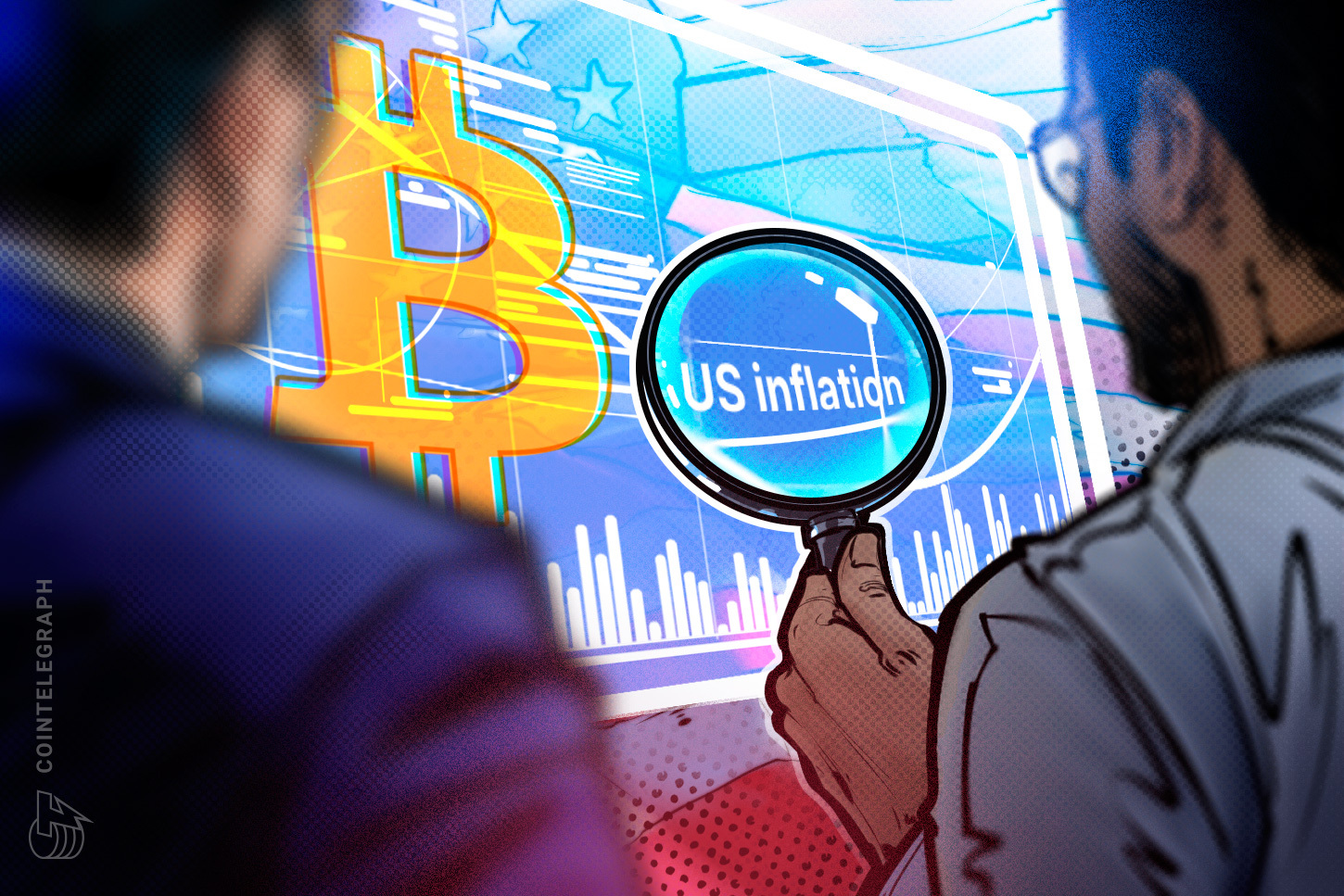
Inflation as it relates to money means the devaluation of a payment vehicle amid the rising cost of goods and services. The term usually refers to fiat currencies,… Inflation as it relates to money means the devaluation of a payment vehicle amid the rising cost of goods and services. The term usually refers to fiat currencies, which can lose value when a government expands the supply of dollars in an economy. Venezuela saw… Inflation as it relates to money means the devaluation of a payment vehicle amid the rising cost of goods and services. The term usually refers to fiat currencies, which can lose value when a government expands the supply of dollars in an economy. Venezuela saw…
Inflation: All latest articles