

 Written by Bradley Peakformer writerEdited by Dr. Guneet Kaurformer editor
Best stablecoin wallets 2025
MagazinePublishedMay 1, 2025
Compare the best wallets for USDT and USDC in 2025, including Trust Wallet, MetaMask, Ledger, and Trezor.
Looking for the best stablecoin wallet in 2025? For fast access and multi-chain support, Trust Wallet is ideal for daily USDT and USDC use. MetaMask is the top pick for DeFi users managing ERC-20 stablecoins. For secure long-term storage, Ledger Nano S Plus and Trezor Safe 3 offer leading hardware wallet protection.
Stablecoins are king
In 2024, stablecoins processed an astounding $27.6 trillion in transactions – surpassing the combined volumes of Visa and Mastercard by 7.7% (that’s not a typo).
Moreover, for a growing number of people, stablecoins like Tether (USDT) and USD Coin (USDC) are their first real step into crypto.
Freelancers are getting paid in them. Businesses are using them to settle cross-border invoices. And all of that means more people are setting up wallets to manage and move these digital dollars.
It’s real-world use cases like these that are turning stablecoins into a mainstream tool.
Here’s a closer look at why USDT and USDC continue to dominate the conversation in the crypto world:
- Regulatory clarity is improving: The introduction of the Guiding and Establishing National Innovation for U.S. Stablecoins – the “GENIUS” Act – has given the industry a clearer path forward. Let’s not forget MiCA regulations that are now in place across the pond.
- Transaction efficiency remains unmatched: One of the biggest advantages of stablecoins is how fast and cheap they are to use. You can send a stablecoin across the globe in seconds, for pennies.
- Ecosystem support is growing: The infrastructure around stablecoins is quickly maturing. More wallets, payment gateways, and financial platforms are integrating USDT and USDC. Even legacy players like Visa and Mastercard are getting involved, exploring ways to use stablecoins in their own systems.
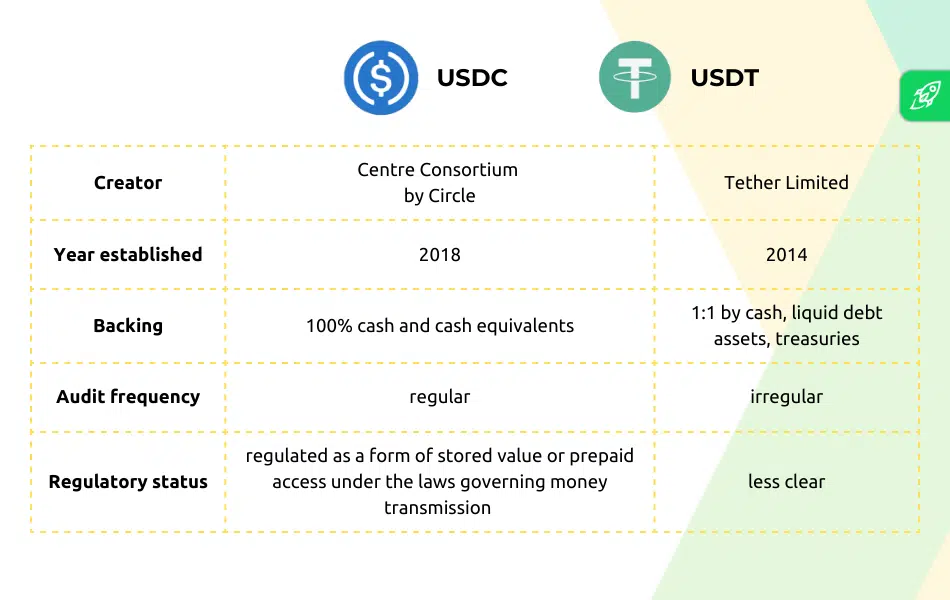
Did you know? Between February 2024 and February 2025, active stablecoin wallets surged from 19.6 million to over 30 million–a 53% increase in just one year.
Why you need a reliable stablecoin wallet
If you’re holding USDT or USDC, you need a wallet that fits the way you use crypto. Whether you’re making quick daily payments, interacting with DeFi platforms, or storing funds long term, your wallet should match your habits and your risk tolerance.
Here’s a quick rundown of wallet types:
- Software wallets: These are mobile or desktop apps. They’re fast, easy to use, and perfect for everyday transactions.
- Hardware wallets: These are physical devices that store your keys offline. They offer much higher security – ideal for holding larger amounts over longer periods.
We’ll take a look at two of the top picks in each category, giving you four strong options for managing your USDT and USDC safely in 2025.
Best stablecoin software wallets 2025
1. Trust Wallet
Supports USDC, USDT, and 100+ blockchains
Trust Wallet is a solid choice if you want something that works with a wide range of digital assets. It supports both USDT and USDC, plus hundreds of other coins across multiple blockchains.
Beginner-friendly interface
The design is clean and easy to use, even if you’re completely new to crypto. You won’t be overwhelmed by complex menus or jargon.
Built-in swaps, staking, and dApp access
You can swap tokens, stake your crypto, and interact with decentralized apps – all from within the wallet itself. No need to connect to external tools.
Available on iOS and Android
Whether you’re using an iPhone or an Android device, Trust Wallet has you covered.
Best for: Everyday crypto users who want simplicity, flexibility, and access to lots of features without needing extra tools.
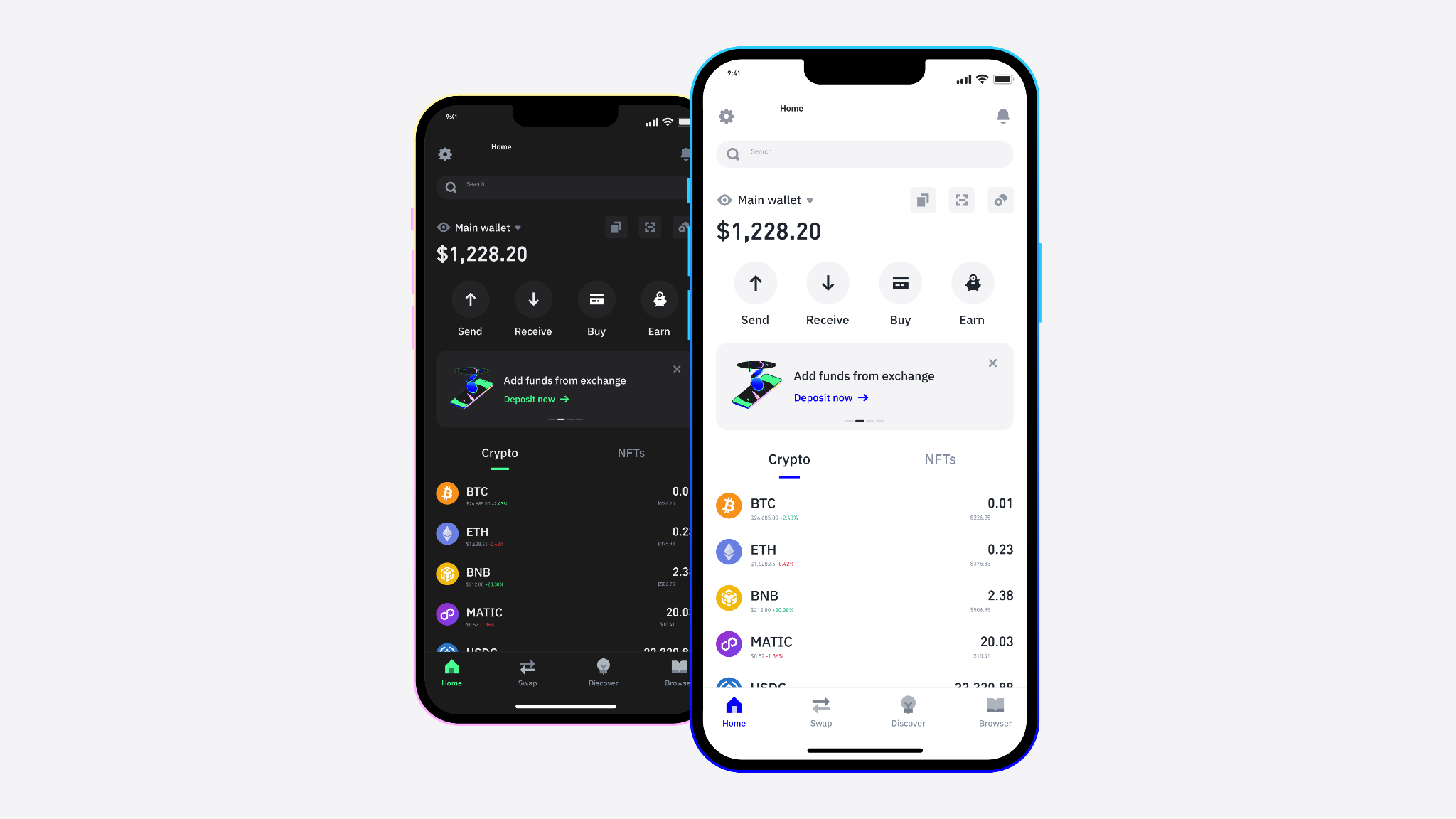
Did you know? Trust Wallet boasts nearly 170 million users worldwide, adding approximately 2.5 million new users every month.
2. MetaMask
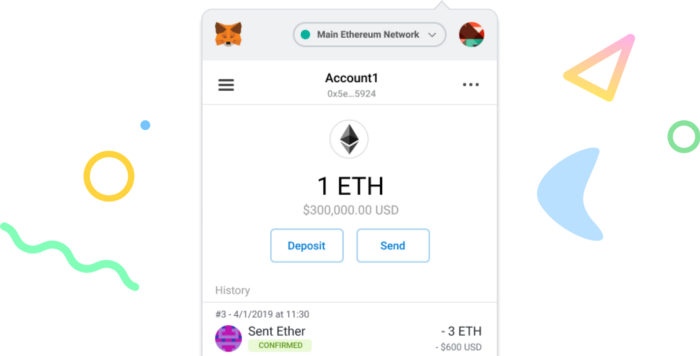
Supports Ethereum-based USDC and USDT
MetaMask works with ERC-20 versions of USDT and USDC, so it’s ideal if you’re operating in the Ethereum ecosystem or any Ethereum-compatible networks like Arbitrum, Polygon, or Optimism.
Available as a browser extension and mobile app
You can use MetaMask on your desktop (via Chrome, Firefox, or Brave) or download the mobile version to manage your assets on the go.
Deep integration with DeFi platforms
MetaMask is basically the gateway to the DeFi world. It connects with thousands of decentralized applications and is the default wallet for many Web3 platforms.
Compatible with third-party hardware wallets
If you want extra security, you can hook MetaMask up with a Ledger or Trezor device for cold storage.
Best for: DeFi participants who frequently interact with Web3 apps and want seamless access to Ethereum-based platforms.
Best stablecoin hardware wallets 2025
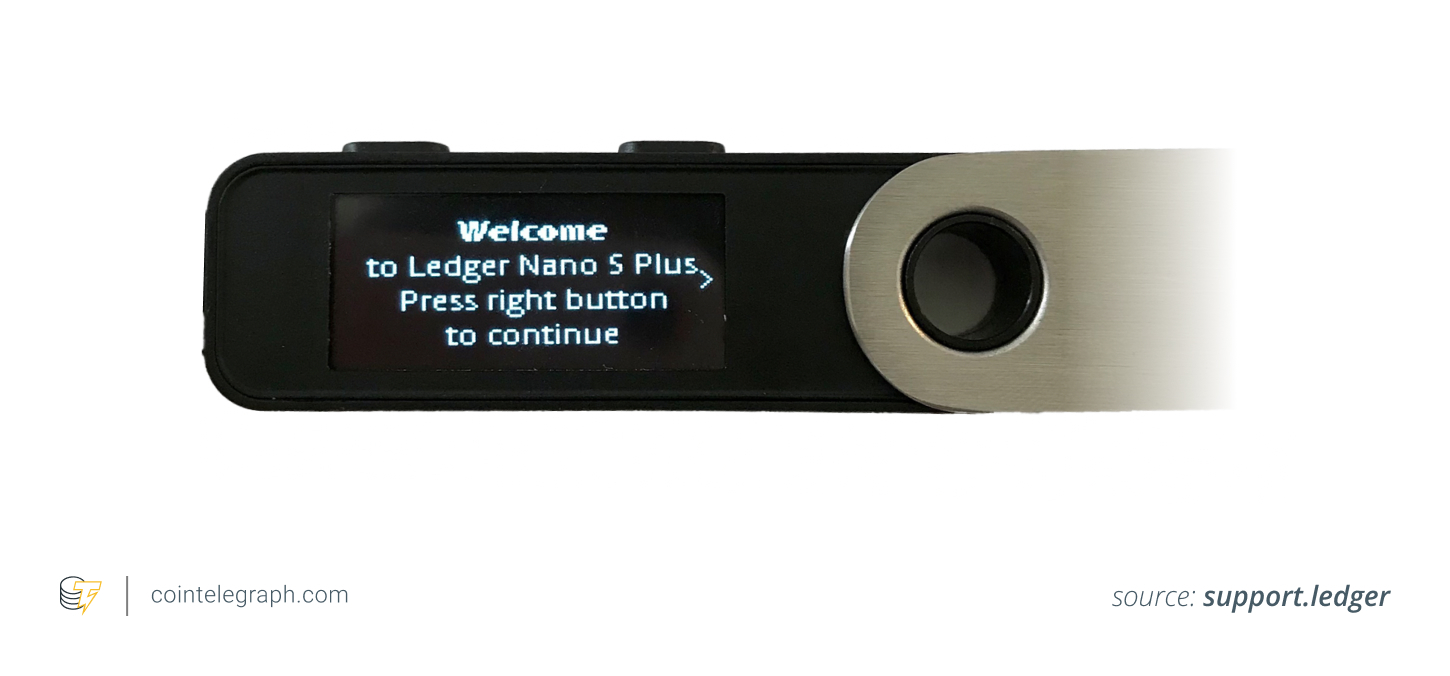
1. Ledger Nano S Plus
Certified secure element chip
Security is the name of the game with Ledger. Your private keys are stored in a Secure Element chip that’s certified against a wide range of attack vectors.
Supports 5,500+ cryptocurrencies
The Ledger Nano S Plus supports an impressive number of assets – including all the big ones like USDT, USDC, Bitcoin (BTC), and Ether (ETH) – making it ideal for a diverse portfolio.
Seamless Ledger Live integration
With the Ledger Live app, you can manage your coins, swap tokens, stake assets, and even interact with NFTs. Everything is streamlined into one experience.
Compact and affordable design
It’s small, discreet, and reasonably priced, making it one of the most accessible secure wallets out there.
Best for: Long-term holders looking for secure storage, multi-asset support, and a user-friendly companion app.
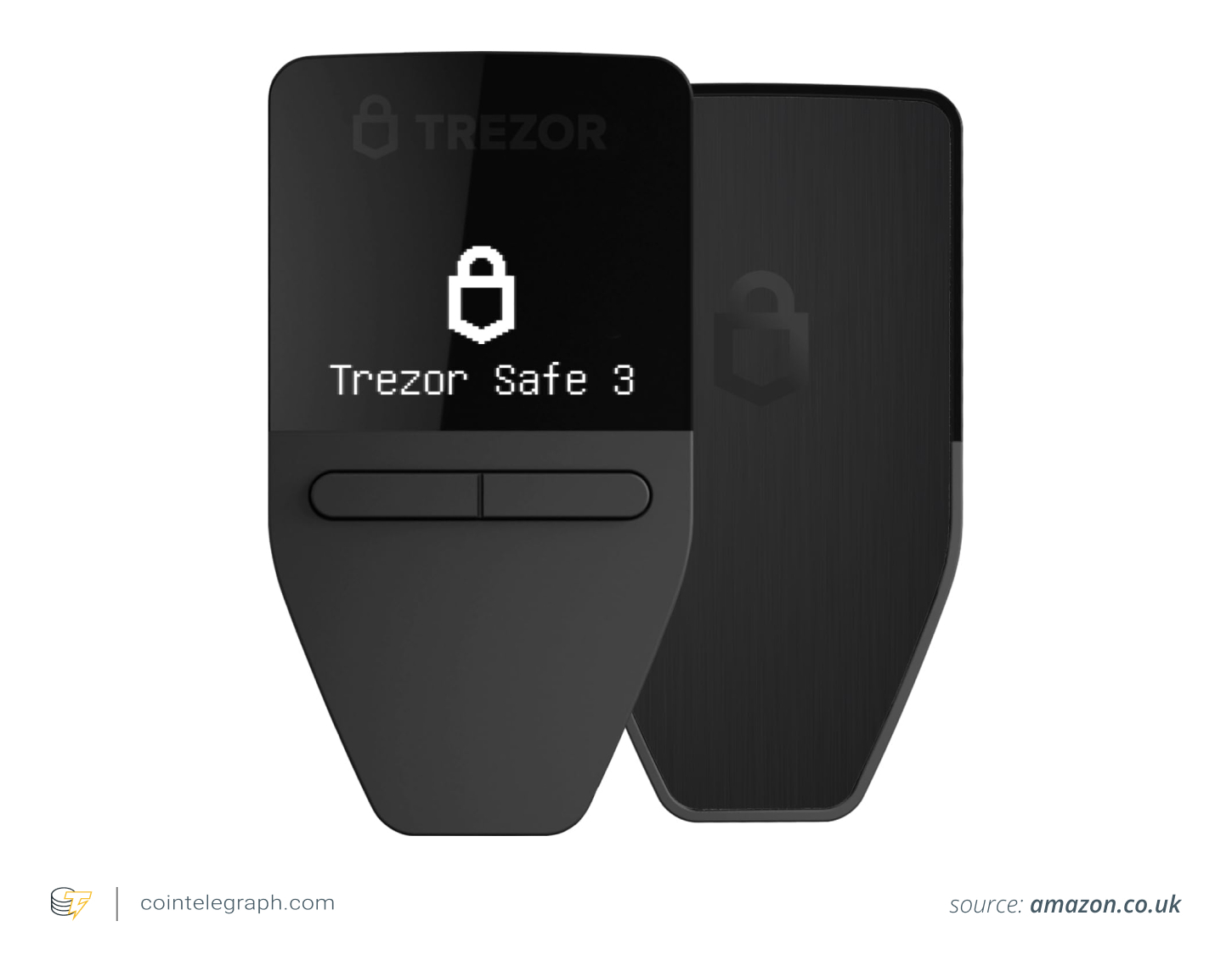
2. Trezor Safe 3
EAL6+ certified secure element and Shamir backup
Trezor takes security seriously. The Safe 3 includes a high-assurance secure chip and offers Shamir backup – a powerful recovery method that lets you split your seed phrase into multiple parts.
Supports 8,000+ coins including stablecoins
Whether you’re holding major coins or niche tokens, Trezor Safe 3 has broad support for over 8,000 assets, including both USDT and USDC.
User-friendly USB-C setup and open-source firmware
The setup is straightforward thanks to USB-C connectivity, and the firmware is open source – meaning anyone can inspect or audit it for transparency.
Multiple color options and Bitcoin-only version
Available in color variants like Cosmic Black and Solar Gold, and there’s also a Bitcoin-only version if you want a minimalist setup.
Best for: Users who want advanced security in a sleek, affordable package, with full transparency and reliable support.
Did you know? Trezor experienced a record sales week as Bitcoin approached $100,000 in late 2024.
Choosing the right stablecoin wallet
Your choice of wallet depends on how you use your crypto:
- For daily spending: Trust Wallet offers a simple, mobile-friendly experience with wide blockchain support – perfect for fast access and day-to-day transactions.
- For DeFi engagement: MetaMask is the standard wallet for Ethereum-based dApps and Web3 activity. If you’re active in DeFi, this is likely your best bet.
- For secure cold storage: Ledger Nano S Plus provides strong security and supports over 5,500 assets – great for long-term holders looking for serious protection.
- For budget-conscious users seeking strong protection: Trezor Safe 3 delivers excellent security features (including Shamir backup) at a wallet-friendly price, and it doesn’t compromise on usability.
With the right wallet, you can stay in control of your stablecoins whether you’re transacting daily or holding for the long run.
FAQs: USDT and USDC wallets in 2025
1. What is the best wallet for holding USDT or USDC in 2025?
The best wallet depends on how you use stablecoins. For quick access and everyday transactions, Trust Wallet is a great option thanks to its clean interface and multi-chain support. For DeFi users, MetaMask is the go-to choice because of its deep integration with Ethereum-based apps. If you’re focused on long-term storage and security, Ledger Nano S Plus or Trezor Safe 3 are excellent hardware wallet choices.
2. Are software wallets safe for storing USDT and USDC?
Yes, software wallets like Trust Wallet and MetaMask are generally safe for everyday use, especially if you follow best practices like securing your recovery phrase and enabling two-factor authentication. However, for storing large amounts of stablecoins or holding them long term, hardware wallets offer significantly stronger protection.
3. Can I use MetaMask to store USDT and USDC on any network?
MetaMask supports USDT and USDC as long as they’re on Ethereum or Ethereum-compatible networks (like Arbitrum, Optimism, and Polygon). If you’re using USDT or USDC on Solana, Tron, or other non-EVM blockchains, you’ll need a different wallet that supports those networks – such as Trust Wallet or a dedicated multi-chain wallet.
4. Do I need a hardware wallet to be secure with stablecoins?
Not necessarily. For small to moderate amounts, a reputable software wallet can be secure enough. But if you’re holding larger sums or just want peace of mind, a hardware wallet like the Ledger Nano S Plus or Trezor Safe 3 adds an extra layer of offline security that software wallets can’t match.
5. What happens if I lose access to my wallet?
If you lose access to your wallet, recovery depends on how it was set up. Software wallets typically provide a seed phrase – a 12- or 24-word backup you can use to restore your wallet. Hardware wallets use similar recovery phrases, and some (like the Trezor Safe 3) even offer Shamir backup, allowing you to split your recovery key into multiple parts for added safety. Never share or lose your seed phrase. Without it, there’s no way to recover your funds.
6. Is it better to hold stablecoins in a wallet or on an exchange?
Holding stablecoins in a personal wallet gives you full control over your assets, whereas keeping them on an exchange means trusting a third party. If you’re actively trading, leaving some funds on an exchange might make sense. But for security and ownership, especially over the long term, moving your USDT or USDC to a non-custodial wallet is usually the smarter move.


Subscribe to daily byte-sized crypto news from Cointelegraph
Cointelegraph publishes long-form journalism, analysis and narrative reporting produced by Cointelegraph’s in-house editorial team with subject-matter expertise. All articles are edited and reviewed by Cointelegraph editors in line with our editorial standards. Some articles contain affiliate links, from which Cointelegraph may earn a commission. These relationships do not influence which products we review or our editorial conclusions. Content published in here does not constitute financial, legal or investment advice. Readers should conduct their own research and consult qualified professionals where appropriate. Cointelegraph maintains full editorial independence.
More on the subject