


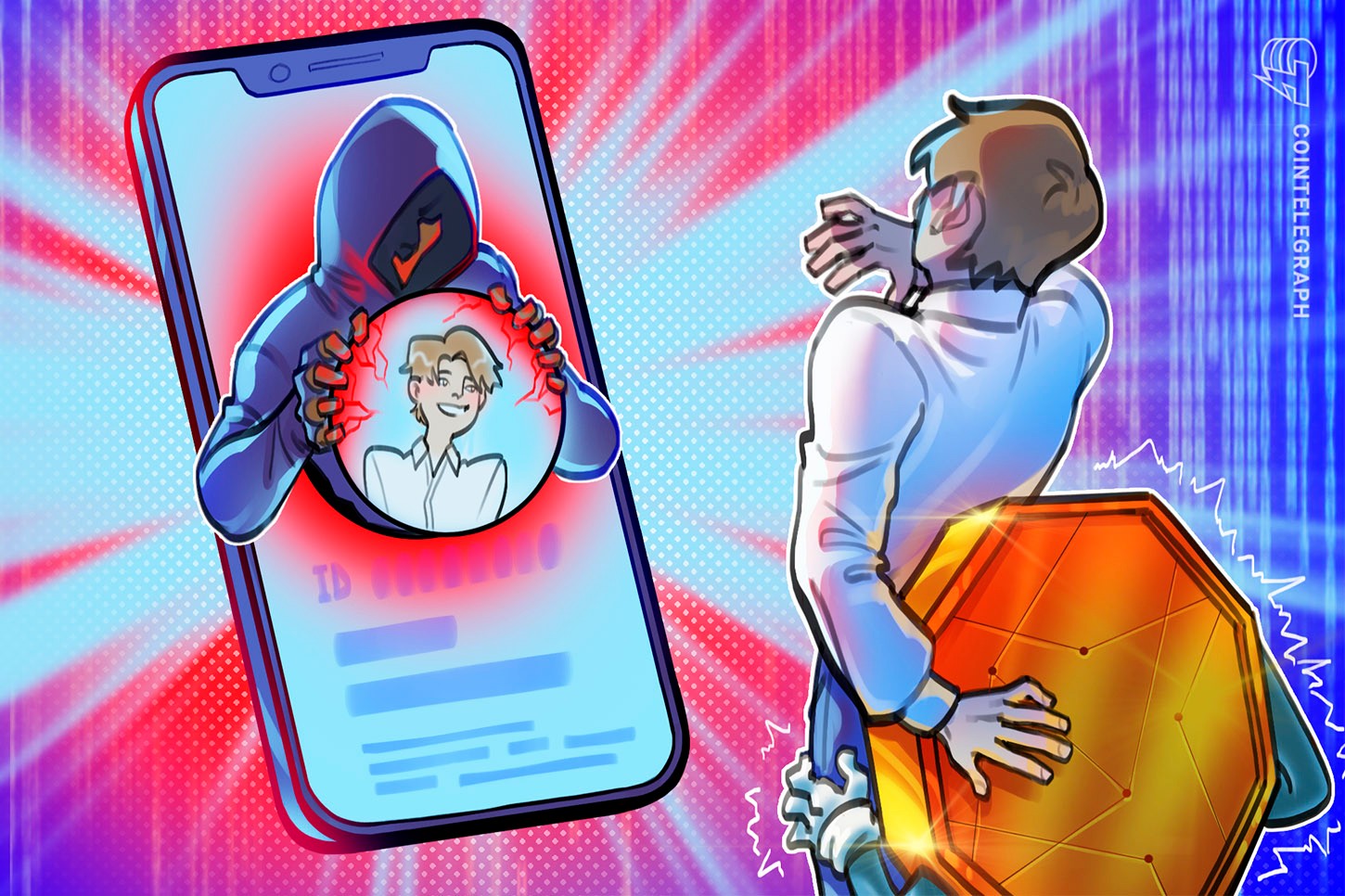
Scammers and fraudsters increasingly used impersonation scams to steal crypto from unsuspecting users last year, with reported impersonation scam incidents rising by roughly 1,400% year over year in 2025, compared with 2024, according to Chainalysis.
Impersonation scams involve fraudsters posing as a trusted person or organization in an effort to trick victims into handing over crypto, passwords, account access and other sensitive information.
In its 2026 Crypto Scams Report, released on Tuesday, Chainalysis said fraudsters have been incorporating multiple tactics into their operations.
“For example, many pig butchering and investment scams incorporate elements of impersonation, social engineering, and even technical- or wallet-focused scams,” they said.
The average amount stolen through impersonation scams also increased by over 600%, which Chainalysis called a “concerning trend.”
One of the more prominent examples of impersonation scams in 2025 involved scammers masquerading as crypto exchange Coinbase to steal nearly $16 million from victims.
The Brooklyn District Attorney’s office indicted a man in December, alleging he was behind the fraud. The accused has pleaded not guilty to multiple charges, including grand larceny, money laundering and scheme to defraud. A trial date is yet to be set.

AI aids with “industrialization of fraud”
Artificial intelligence has made scams more effective and is part of the “industrialization of fraud,” said Chainalysis, with scammers using complex tools from dedicated vendors to dupe more victims.
Chainalysis found that scams using AI were 4.5 times more profitable, while operations were more efficient with higher daily revenue and increased transaction volume.
“These metrics suggest both higher operational efficiency and potentially broader victim reach. The increased transaction volume indicates that AI is enabling scammers to reach and manage more victims simultaneously, a trend consistent with the industrialization of fraud we’ve been tracking,” they said.
“In contrast, the increased scam volume suggests that AI is likewise making scams more persuasive.”
No “silver bullets” to preventing crypto scams
The increase in scams has also prompted an increase in law enforcement action in 2025; however, Chainalysis urged authorities to focus more on preventing harm through enhanced detection tools and greater adoption of real-time fraud and mule detection systems in 2026.
At the same time, more resources should be allocated for enhanced cross-border law enforcement coordination and support for institutions and enforcement in low-capacity jurisdictions, they said.
Related: Global sanctions linked to record flows into illicit crypto addresses
“There are no silver bullets to tackling such entrenched, industrial-scale scamming activity and to be effective, a multi-pronged response is required.”
“As we move into 2026, we expect further convergence of scam methodologies as scammers adopt multiple tactics and technologies simultaneously,” Chainalysis added.
How to counter impersonation scams
A group of crypto security experts told Cointelegraph last year that some of the best ways to counter social engineering scams is to reduce human trust points through actions like automating defenses.
It was also recommended to never disclose sensitive data like passwords or key phrases, because a legitimate company would never ask for them, to assume every interaction and unsolicited message could be fraudulent and to always verify authenticity.
Magazine: When privacy and AML laws conflict: Crypto projects’ impossible choice