

Written by Stacy LaptiyCommissioned Content
Written by Stacy LaptiyCommissioned Content
From tokenized money to crypto-urbanism: Central Asia Fintech Summit recap
CommissionedPublishedJan 9, 2026
In Almaty, central bankers and fintech builders leaned into regulation, pilots and scale.
Commissioned byCentral Asia Fintech Summit
Disclaimer. This content is part of a paid partnership. The text below is a sponsored article that is not part of Cointelegraph.com editorial content. The material is written by our advertorial team and has undergone editorial review to ensure clarity and relevance, it may not reflect the views and opinions of Cointelegraph.com. Readers are encouraged to conduct their own research before taking any actions related to the company. Disclosure.
Across the fintech industry, the conversation is shifting from bold disruption claims to the harder work of building regulated, interoperable infrastructure that can scale. That shift was on full display at the Central Asia Fintech Summit 2025, where Kazakhstan positioned itself in the global digital finance debate with regulators and public institutions front and center.
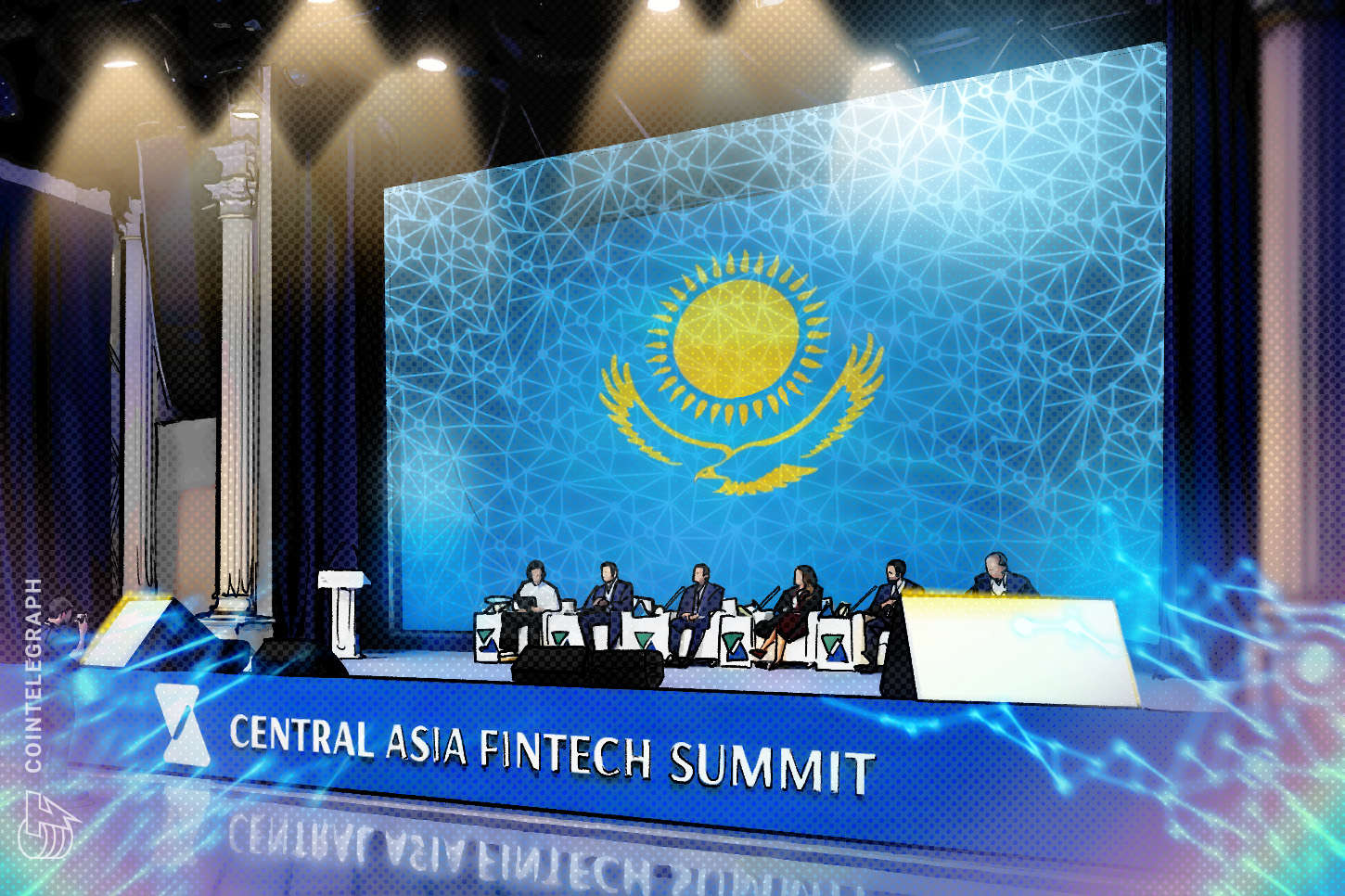
Held on Nov. 13–14, 2025, at the Royal Tulip in Almaty, Kazakhstan, the forum provided a platform for exchanging knowledge, experience, and ideas that advance payment systems and fintech in Kazakhstan and abroad. The event hall stayed busy across both days, drawing 3,000 in-person visitors and more than 120 experts.
The plenary opened with a familiar tension: how to regulate for innovation without losing stability or consumer protection. Two moments captured the mood: a central-bank case for programmable money, and a proposal to test crypto governance in a planned city.
Tokenized tenge: the National Bank’s roadmap
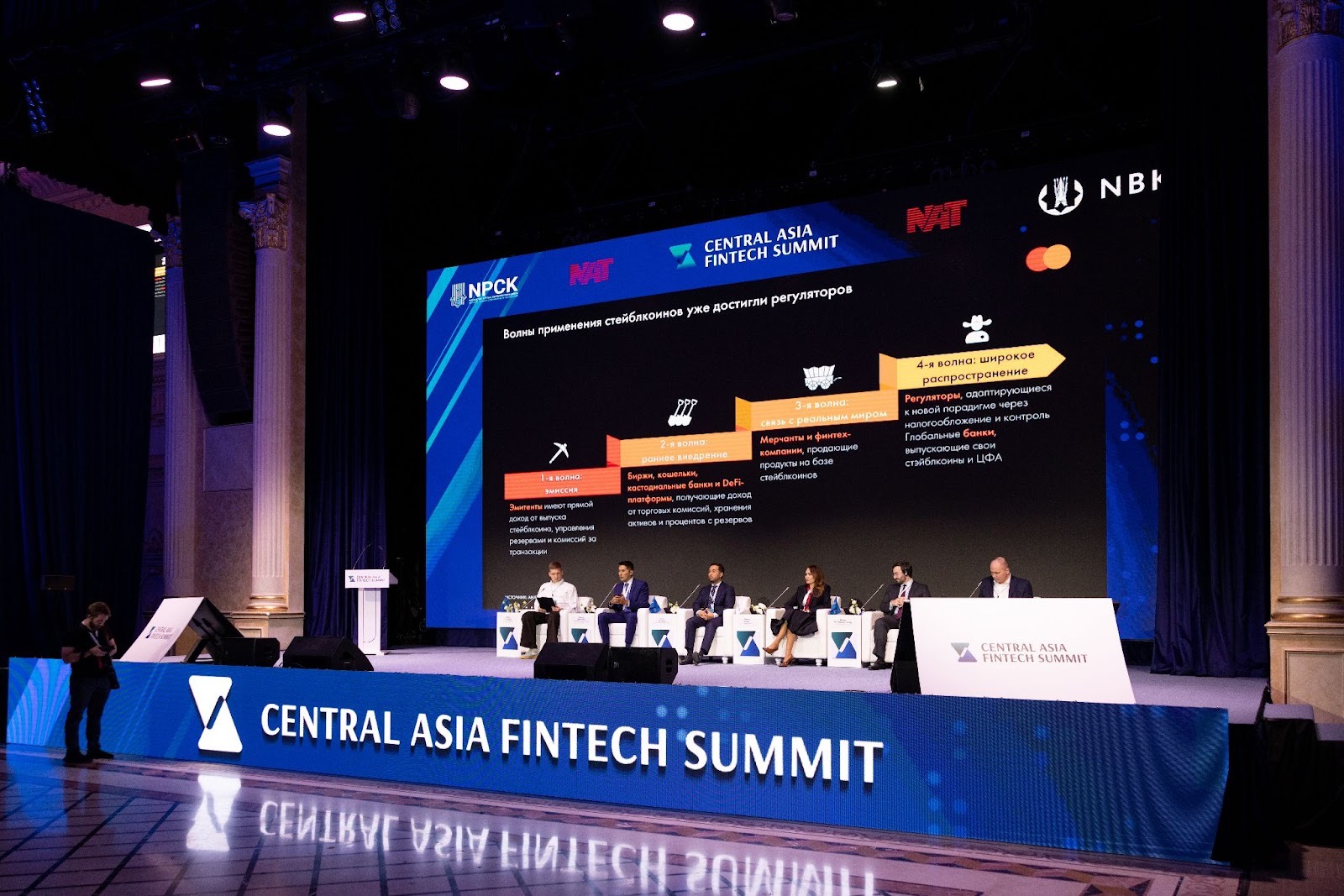
Binur Zhalenov, the National Bank of Kazakhstan’s chief digital officer, argued that blockchain isn’t here to replace the financial system. In his view, it’s becoming part of the system’s next build-out.
In 2023, Kazakhstan launched the digital tenge, becoming the first country in the Eurasian region to introduce a retail central bank digital currency. The CBDC is built on a permissioned distributed ledger based on R3 Corda. That setup allows programmable tokens while keeping regulatory control and monetary sovereignty.
Zhalenov also highlighted tokenization as the next systemic shift in financial markets, pointing to legislation already in Parliament:
“We believe tokenization is inevitable. Draft legislation is already under consideration in Parliament to establish a regulatory framework for the tokenization of both financial and real-world assets — from equities and bonds to real estate and ownership stakes in companies. Adoption is expected by the end of the year, with full-scale regulation in place by April 2026.”
On stablecoins, the bank’s stance was pragmatic. While acknowledging the growing role of dollar-denominated stablecoins in domestic transactions, the National Bank argues that prohibition is not an effective response. Instead, its objective is to provide a competitive alternative based on the national currency. In other words, the bank wants a tenge-based option that keeps transactions on trusted rails while still allowing programmability.
A regulated crypto-district, not a utopian crypto-city
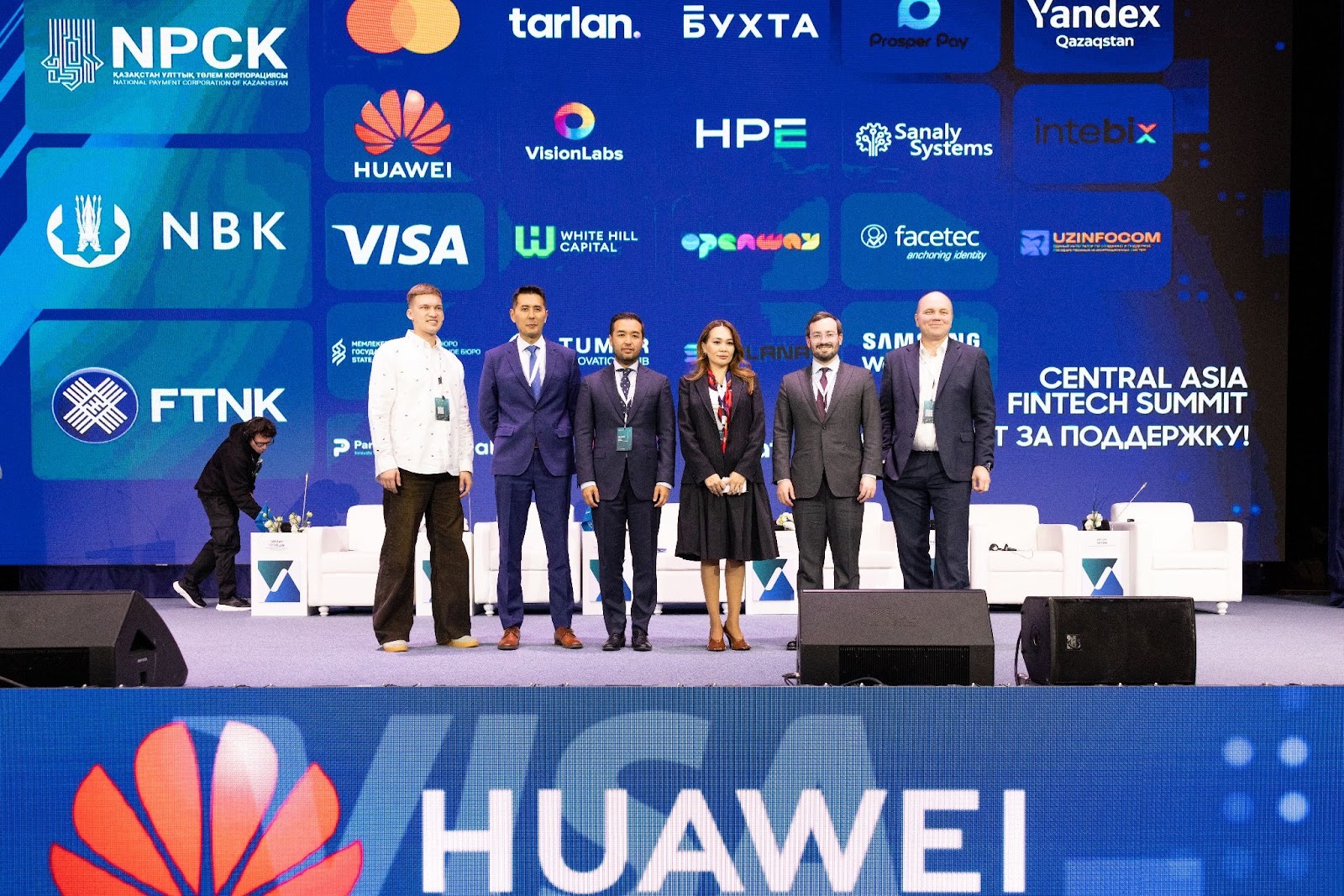
From there, the conversation moved from money to place. If the digital tenge defines how money evolves, the concept of CryptoCity addresses where this evolution is applied. Dias Savetkanov, CEO of the Fintech & AI Center and author of the study “Alatau City: The CryptoCity Concept,” presented CryptoCity as a pilot model embedded within Alatau City, a government-approved national development project with special legal status.
Alatau City has an approved master plan and is designed as a smart, fully digital urban platform for testing new economic, governance, and technological solutions.
Savetkanov’s paper draws a clear line between Kazakhstan’s approach and earlier global crypto-city experiments that failed to scale. Its core argument is that durability comes from integration: crypto-districts embedded in diversified urban and institutional ecosystems tend to outlast standalone showcases. This distinction underpins the design of CryptoCity in Alatau.
In practice, CryptoCity is meant to work as a regulated sandbox focused on testing what’s useful rather than systemic disruption. The study lays out practical pilots — blockchain-backed public registries, programmable payment rails, token-based access to public services, smart-contract procurement for low-risk municipal spending, and carefully bounded experiments with DAO-style local governance. The throughline is modest on purpose: each piece is designed to run inside today’s institutions, improving transparency and efficiency without jolting the wider system.
As Savetkanov notes in the report, “the purpose of CryptoCity is not to replace the state or the market, but to give the country a controlled environment to test how new financial and governance technologies can increase economic efficiency before they are scaled nationally.” This framing positions the project as an instrument of policy learning rather than a technological bet.
The viability of this approach is closely tied to Alatau City itself. Planned as a transport and logistics hub on the China–Europe corridor and supported by a special legal and economic regime, Alatau provides the physical and institutional infrastructure required for applied experimentation. Within this environment, CryptoCity functions as a financial and technological accelerator rather than a one-off crypto enclave.
What the summit signaled for Kazakhstan’s fintech path
By the end, the message was clear: Kazakhstan is shifting from fragmented, standalone blockchain initiatives toward regulated pilots that can scale. The model remains open to private projects and investment, creating structured conditions for experimentation, integration, and scaling within a predictable regulatory environment.


Subscribe to daily byte-sized crypto news from Cointelegraph
This content is part of a paid partnership. The text below is a commissioned article that is not part of Cointelegraph editorial content. The material is written by our advertorial team and has undergone editorial review to ensure clarity and relevance, it may not reflect the views and opinions of Cointelegraph.com. Readers are encouraged to conduct their own research before taking any actions related to the company. Disclosure.
More on the subject