


 Written by Amin Haqshanasstaff writerEdited by Bryan O'Sheastaff editor
Coinbase survey finds many crypto users still misunderstand taxes
Latest NewsPublishedMar 30, 2026
A Coinbase and CoinTracker survey found fewer than half of crypto users correctly understand when digital assets become taxable.

A majority of crypto users remain unclear on basic tax rules, with fewer than half correctly identifying when transactions become taxable, a new survey found.
Only 49% of respondents correctly understand that crypto becomes taxable when it is sold, while nearly a quarter believe simple transfers can trigger tax events, according to a 2026 Crypto Tax Readiness Report published by Coinbase and CoinTracker.
The findings come from a survey of 3,000 US crypto users conducted between Sept. 9 and Oct. 3, ahead of the 2025 tax reporting season.
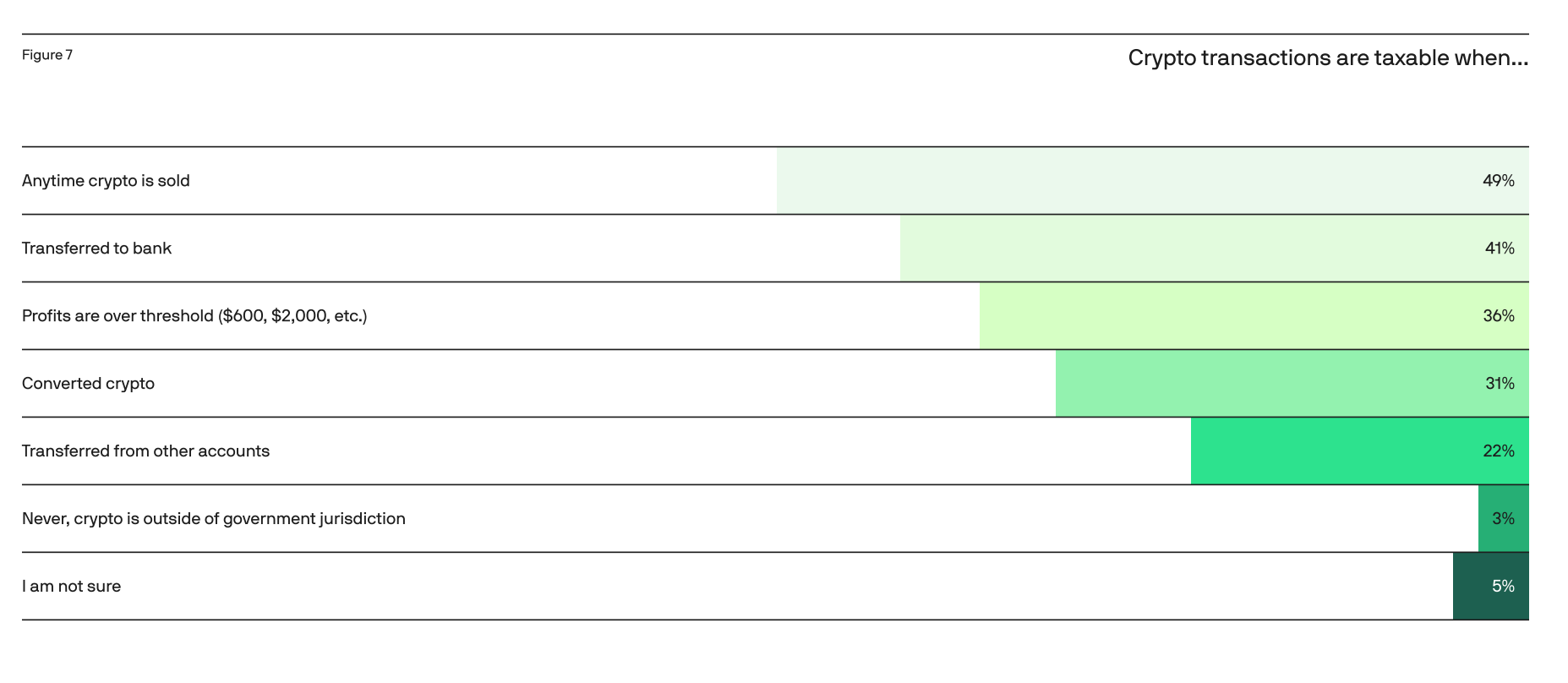
When is crypto taxable. Source: Coinbase
The survey noted that crypto investors show a clear willingness to comply with tax rules, with 74% saying they are aware that crypto is taxable, while 65% said they have already reported activity in the past. “This refutes the misconception of widespread crypto tax avoidance,” the survey states.
Related: Brazil’s finance minister shelves crypto tax policy due to election: Report
New IRS rules complicate tax reporting
The survey also pointed to some key challenges complicating crypto tax reporting. For one, crypto investors often hold assets across multiple platforms, with an average of 2.5 wallets or exchanges and 83% using self-custody. This fragmentation makes it harder to track cost basis, which is needed to calculate gains and losses.
New reporting rules add to the challenge. From the 2025 tax year, brokers will issue Form 1099-DA but won’t include cost basis, leaving users to reconcile transactions themselves across platforms that don’t share data.
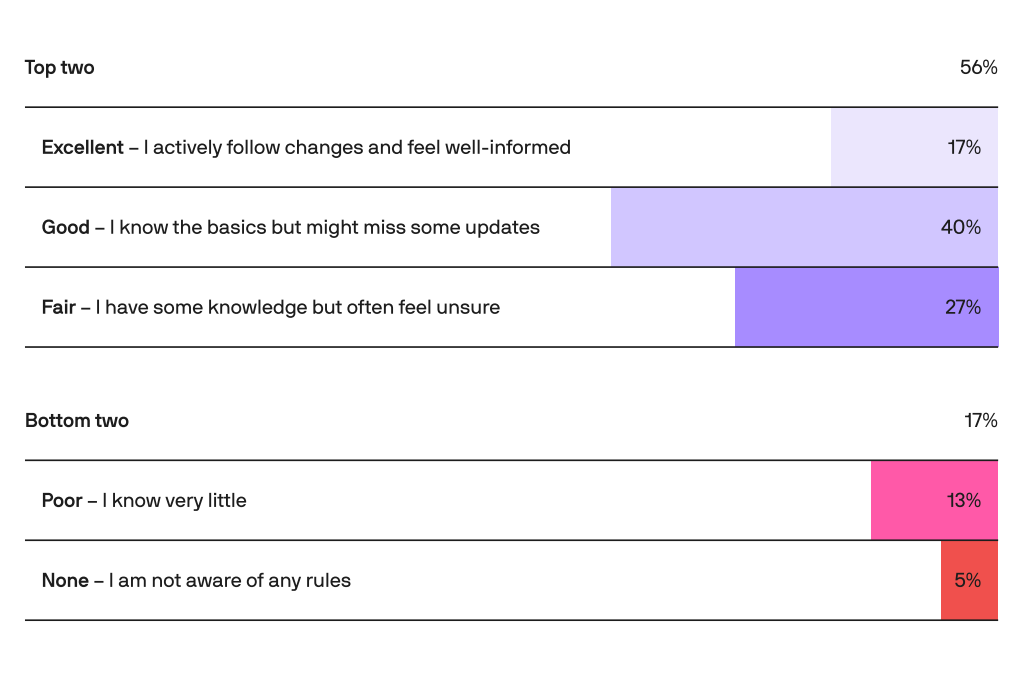
56% of crypto users say their knowledge of crypto tax reporting is good. Source: Coinbase
Despite these challenges, most users rely on traditional tools. Around 78% use general tax software and 52% turn to accountants, while only 8% use crypto-specific tax services. At the same time, interest in AI is growing, with nearly half of respondents saying they would use it to calculate taxes and 30% open to relying on it for the entire process.
Related: US lawmakers publish crypto tax proposal without Bitcoin tax exemption
IRS moves to mandate digital crypto tax forms
Earlier this month, the IRS proposed new rules that would require crypto exchanges to deliver tax forms electronically, removing the option for paper copies. Under the proposal, brokers could end relationships with users who refuse digital delivery, and users would no longer be able to withdraw consent once given.
Exchanges must continue issuing Form 1099-DA to report transaction proceeds, though cost basis tracking will remain the responsibility of investors.
Magazine: Clarity Act risks repeat of Europe’s mistakes, crypto lawyer warns


Subscribe to daily byte-sized crypto news from Cointelegraph
Cointelegraph is committed to independent, transparent journalism. This news article is produced in accordance with Cointelegraph’s Editorial Policy and aims to provide accurate and timely information. Readers are encouraged to verify information independently.
More on the subject