


 Written by Nate Kostarstaff writerEdited by Robert Lakinstaff editor
Paystand launches Bitcoin-based stablecoin USDb for enterprise payments
Latest NewsPublishedApr 28, 2026
The US dollar-backed token will roll out across Paystand’s network, which the company says has processed more than $20 billion in business payments.

Paystand is launching USDb, a US dollar-backed stablecoin built on Bitcoin-linked infrastructure for use in business payments, including accounts receivable, accounts payable, payroll and treasury operations.
According to Tuesday's announcement, the token is issued on Bitcoin-linked rails, including Rootstock, and interoperates with infrastructure from Blockstream. It will roll out first across Paystand’s payments network, which the company says has processed more than $20 billion in volume for over one million businesses.
Santa Cruz, California-based Paystand is a blockchain payments company that provides accounts receivable and accounts payable infrastructure to businesses across North America and Latin America.
USDb is backed 1:1 by US dollar reserves and will be used within Paystand’s existing products, including cross-border payroll through its Bitwage platform, with plans to expand access to additional partners and customers in 2026.
The stablecoin is launching with support from Rootstock, Blockstream and Ibex, which will act as its initial minting partner and liquidity provider, and is designed to be compatible with Bitcoin-based networks such as the Lightning Network and Liquid.
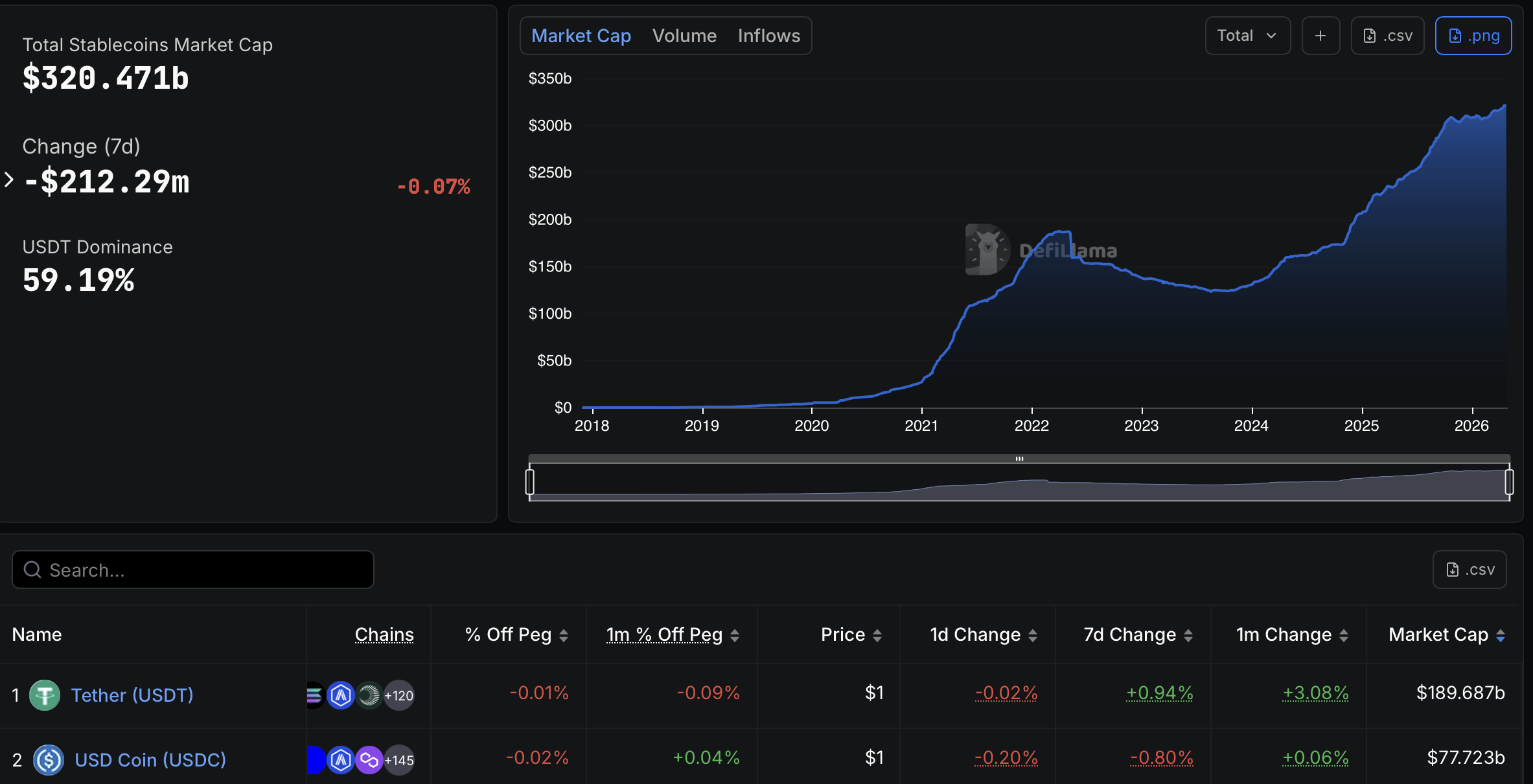
Total stablecoin market cap. Source: DeFiLlama
The token is built to integrate with enterprise finance systems, including ERP-ledger mapping, and support automated settlement workflows within Paystand’s network.
Bitwage, a workforce payments platform Paystand acquired in 2025, serves more than 90,000 workers and 4,500 businesses across nearly 200 countries, the company said.
Related: Stablecoin transfer volume drops 19% even as supply keeps rising: RWA.xyz
Stablecoins push into payroll and payouts
Stablecoins are increasingly being used for business payments, including payouts, payroll, vendor settlements and cross-border transfers, as companies expand their use beyond trading and remittances.
Last week, DoorDash said it is working with Tempo to enable stablecoin payments for drivers and merchants, allowing transactions to be settled in digital assets across more than 40 countries. The companies cited faster payouts, lower cross-border costs and greater flexibility as key drivers of the integration.
Western Union also plans to launch its US dollar-backed stablecoin, USDPT, in May, CEO Devin McGranahan told analysts last week. The company first announced in October that the token would be issued by Anchorage Digital on the Solana blockchain and integrated with its digital asset network for payments.
On Tuesday, Paxos said it integrated its Amplify platform with Toku to let users earn yield on stablecoin salaries held in payroll wallets without moving funds off-platform. The feature supports USDC, USDT and USDG and is available across Toku’s payroll network.
The stablecoin market is currently valued at around $320 billion, dominated by Tether's USDT (USDT) at about $189.7 billion and Circle’s USDC (USDC) at roughly $77.7 billion, according to DeFiLlama data.
Supply remains concentrated on a few chains, with Ethereum (ETH) accounting for about 52% of the market, followed by Tron (TRX) at around 28%, while smaller shares are distributed across networks like Solana, BNB Chain and others.
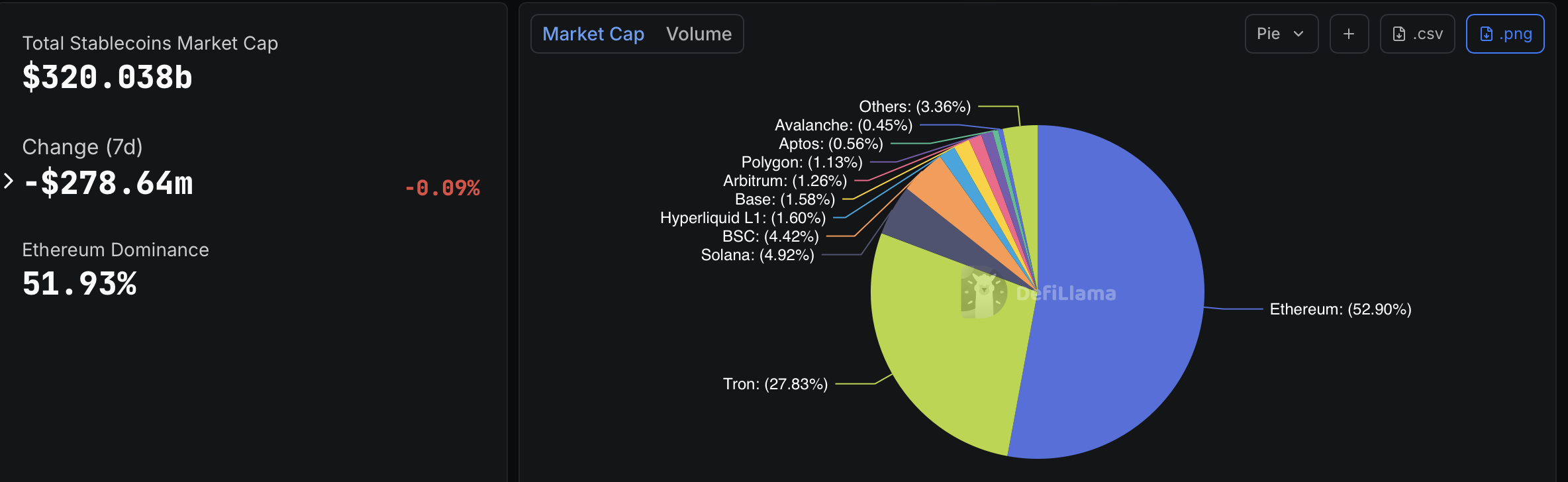
Stablecoin supply by blockchain. Source: DeFiLlama
Magazine: Adam Back says current demand is ‘almost’ enough to send Bitcoin to $1M


Subscribe to daily byte-sized crypto news from Cointelegraph
Cointelegraph is committed to independent, transparent journalism. This news article is produced in accordance with Cointelegraph’s Editorial Policy and aims to provide accurate and timely information. Readers are encouraged to verify information independently.
More on the subject