

 Written by Dilip Kumar Patairyastaff writerEdited by Rahul Nambiampurathstaff editor
Why older users are losing so much money to crypto ATM scams
MagazinePublishedJun 1, 2026
Older adults are losing millions to crypto ATM scams involving fake bank calls, romance fraud and tech support impersonation.

When crypto ATM transactions may trigger irreversible loss
Crypto ATM fraud rarely originates at the machine itself. The kiosk is usually the final step in a longer deception.
Deception typically begins through a phone call, a fake banking notification, a romantic overture, a software warning or an enticing financial proposal. By the time a victim reaches the crypto kiosk, scammers may already have spent weeks or months building fear, urgency or emotional trust.
Federal authorities and the Internet Crime Complaint Center (IC3) have issued alerts that cryptocurrency kiosk schemes are increasingly affecting senior citizens. In 2025, IC3 logged more than 13,400 reports tied to these kiosks, with total losses surpassing $388 million. More than half of those losses involved individuals aged 50 and older.
By the time cash is inserted, the most important part of the scam has already happened. These schemes are especially risky because of the psychological manipulation that takes place before any exchange occurs.
What is crypto ATM fraud?
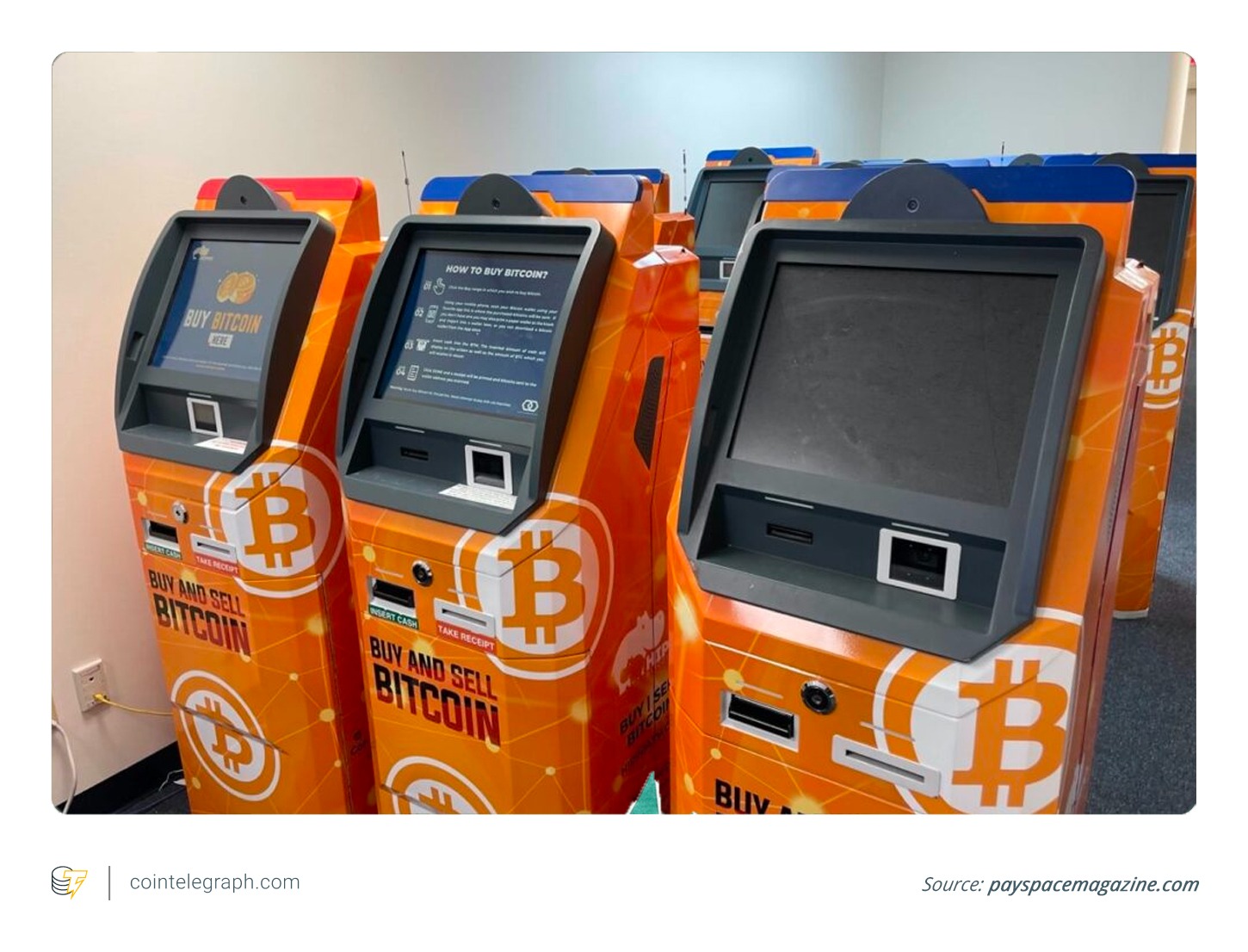
A crypto ATM, often referred to as a digital currency kiosk, is a machine that allows people to exchange cash for digital assets.
Genuine users may use these kiosks to buy Bitcoin or similar digital assets. However, scammers are increasingly using them to collect money because blockchain transfers are typically difficult or impossible to reverse once completed.
A typical scam usually follows this sequence:
- A scammer contacts the victim.
- The victim is warned about a crisis, data breach or lucrative opportunity.
- The victim withdraws funds from their bank account.
- The scammer provides a QR code or wallet address.
- The victim inserts cash at the digital currency kiosk.
- The cryptocurrency is transferred directly to the scammer.
Unlike credit card fraud, there is no simple chargeback process once the digital asset leaves the wallet.
Did you know? Unlike traditional bank transfers, cryptocurrency transactions sent through kiosks are usually difficult to reverse. Once the funds reach a scammer’s wallet, recovering the money can become extremely challenging, particularly when assets move quickly across multiple wallets or exchanges.
Why older users are repeatedly targeted
Scammers commonly target senior citizens because they may have access to pension funds, retirement portfolios, investment holdings or home equity.
Yet the problem extends beyond available savings.
Many scams rely on emotional pressure, fake authority or loneliness. Older adults may be more likely to answer calls from unknown numbers, respond to official-sounding messages or stay in long conversations with people posing as support agents, bank employees or government representatives.
Romance scams can be especially effective against people dealing with loneliness or loss. Tech support scams may also succeed when victims have limited familiarity with digital safety alerts, remote-access tools or blockchain transactions.
In 2025, cybercrime increased significantly as the IC3 received more than one million complaints, up from approximately 859,000 reports in 2024. Investment fraud accounted for more than $8.6 billion in losses. Across all cybercrime categories, older individuals were among the most affected groups, with victims aged 60 and older reporting $7.7 billion in total losses, compared with $3.7 billion reported by the 50-59 age group and lower amounts among younger demographics.
Across all reported incidents, the average loss per victim stood at $20,699. However, that figure rose to $62,604 when cryptocurrency was involved. Crypto-related fraud alone accounted for more than $11 billion in total losses, representing a 22% increase from the previous year.
Fake government calls that lead victims to crypto ATMs
A crypto ATM scam often starts with fear. The goal is to make the victim panic before they can think clearly.
The caller pretends to be from the Federal Bureau of Investigation (FBI), Internal Revenue Service (IRS), Social Security office, Drug Enforcement Administration (DEA) or local law enforcement. The victim is told their identity has been linked to money laundering, drug trafficking or another serious crime.
The scammer might claim:
- Your identification details have been exposed.
- Your financial accounts are under review.
- Your assets are at risk.
- An official order will follow soon.
The victim is then directed to “safeguard” their money by moving it into a protected official account through a digital currency ATM.
The pressure is intentional. Victims are instructed not to hang up, not to contact family members and not to speak with bank staff.
Real government agencies never require transfers through crypto ATMs. The FBI explicitly warns that law enforcement agencies never instruct people to move funds using crypto terminals to avoid arrest or investigation.
Did you know? Some scammers stay on the phone with victims throughout the entire crypto ATM transaction. They may tell victims what to say to bank employees, how to scan QR codes and why they should keep the transfer secret from family members.
How romance scams turn into crypto kiosk payments
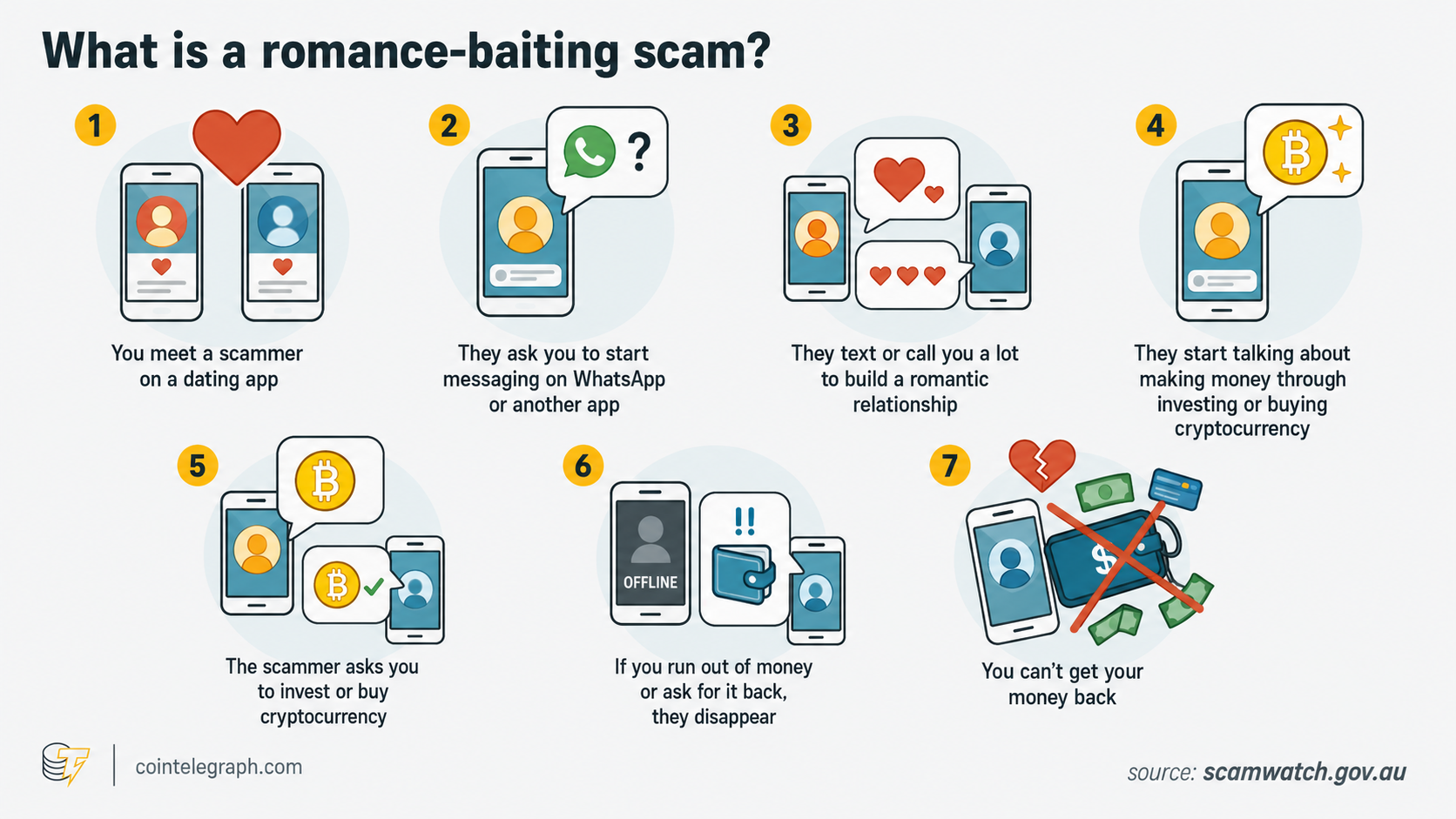
Some crypto ATM scams develop slowly. A scammer may spend weeks or months building an online relationship through social media, messaging apps or dating platforms. Eventually, the conversation shifts toward money.
The scammer may claim:
- They need money for travel expenses or another emergency.
- A profitable investment opportunity requires quick action.
- They or someone close to them is facing a fake emergency or medical crisis.
- Cryptocurrency is a fast or convenient way to send money.
In some cases, the emotional relationship becomes the setup for a fake investment pitch. The victim may be shown fake images of trading gains and encouraged to send larger amounts over time.
With emotional trust already established, victims may overlook red flags that would normally raise doubts.
Fake tech support alerts and crypto ATM payments
Another common entry point is a fake tech support scam. A victim may encounter a notification claiming:
- Their device has malware.
- Their financial account has been breached.
- Their device, software or online account has been compromised.
- Malicious software is accessing sensitive data.
The scammer then impersonates a Microsoft technician, an Apple support representative, a security software provider or a banking security expert.
Victims are told they must quickly safeguard their assets before criminals steal them. The “fix” requires withdrawing money and depositing it at a crypto ATM.
Cybersecurity analyses and FBI notices indicate that fraudsters often guide victims through each stage of the kiosk transaction while staying on the call.
Bank impersonation scams that push victims to withdraw cash
Scammers may pose as banking staff or security investigators. The victim receives a phone call or message claiming:
- Unusual transactions have appeared on their account.
- An unauthorized transaction is in progress.
- Their card or account details have been compromised.
- Intruders have accessed the bank’s network.
The scammer creates panic and urgency so the victim acts without verifying the information independently.
Victims may be told to:
- Withdraw funds immediately.
- Not discuss the transaction with anyone else.
- Keep the matter completely private.
- Move the funds to a protected cryptocurrency account.
This demand for secrecy is one of the clearest warning signs of a scam.
Did you know? Romance scams increasingly overlap with cryptocurrency fraud. Criminals may spend weeks building emotional trust online before introducing a fake emergency, investment opportunity or urgent crypto payment request involving a kiosk transaction.
Fake investment schemes that use crypto kiosks
Investment fraud remains a major financial risk for older adults. Scammers may promote:
- Guaranteed high returns
- Fake crypto investment opportunities
- Artificial intelligence-based trading platforms
- Low-risk wealth strategies
Victims may first see fake profits on professional-looking dashboards or apps. Motivated by the apparent gains, they may send larger amounts.
Later, when victims attempt to withdraw their money, they may face demands to:
- Pay taxes upfront.
- Make a confirmation payment.
- Activate access with an additional transfer.
Many of these transactions may eventually pass through crypto kiosks, which serve as the payment channel for a fake investment service.
How crypto ATMs benefit fraudsters
Crypto ATMs solve several problems for fraudsters. They make it easier to move stolen money quickly.
First, the machines convert physical cash into digital assets almost instantly.
Second, digital asset transfers can move between wallets quickly, often crossing international borders within minutes.
Third, many older victims do not fully understand how crypto transactions work. They may not realize that scanning a QR code can send funds directly to another wallet with limited recovery options.
Scammers also exploit the fact that crypto transactions may feel less emotionally risky than handing cash directly to a stranger. In such cases, the victim sees a screen and a QR code, not the criminal receiving the money.


Subscribe to daily byte-sized crypto news from Cointelegraph
Cointelegraph publishes long-form journalism, analysis and narrative reporting produced by Cointelegraph’s in-house editorial team with subject-matter expertise. All articles are edited and reviewed by Cointelegraph editors in line with our editorial standards. Some articles contain affiliate links, from which Cointelegraph may earn a commission. These relationships do not influence which products we review or our editorial conclusions. Content published in here does not constitute financial, legal or investment advice. Readers should conduct their own research and consult qualified professionals where appropriate. Cointelegraph maintains full editorial independence.
More on the subject