

 Written by Adrian Zmudzinskistaff writerEdited by Bryan O'Sheastaff editor
Basel Committee reviews bank crypto-asset rules amid stablecoin surge: Report
Latest NewsPublishedOct 31, 2025
Banks may soon take a softer stance on crypto as the Basel Committee prepares to revise its 2022 guidance on banks’ exposure to digital assets, according to Bloomberg.

Global banks may soon take a more favorable view of cryptocurrencies as the Basel Committee on Banking Supervision (BCBS) prepares to revise its landmark guidance on crypto exposure, according to a Bloomberg report published Friday.
According to Bloomberg, citing sources familiar with the matter, the Basel Committee’s 2022 guidance on banks’ treatment of crypto will be updated next year to be more favorable. This follows the issuance of standards in 2022, with most banks interpreting them as a signal to avoid crypto altogether.
Bloomberg’s sources said the Basel Committee recently held talks about the appropriateness of the previous rules, which the United States, United Kingdom and the European Union have yet to fully implement.
The push to revisit the framework comes as “payment stablecoins” grow in the US after the GENIUS Act established a federal regime for stablecoin issuance and oversight, including reserve and redemption requirements. The law defines payment stablecoins as instruments designed for payment or settlement, but does not mandate their acceptance.
Under the Basel Committee’s cryptoasset standard, stablecoin exposures can receive less punitive treatment only if they meet strict “Group 1” criteria. Stablecoins that fail those tests can fall into “Group 2” and face much higher capital charges, potentially approaching the most conservative treatment applied to unbacked cryptoassets.
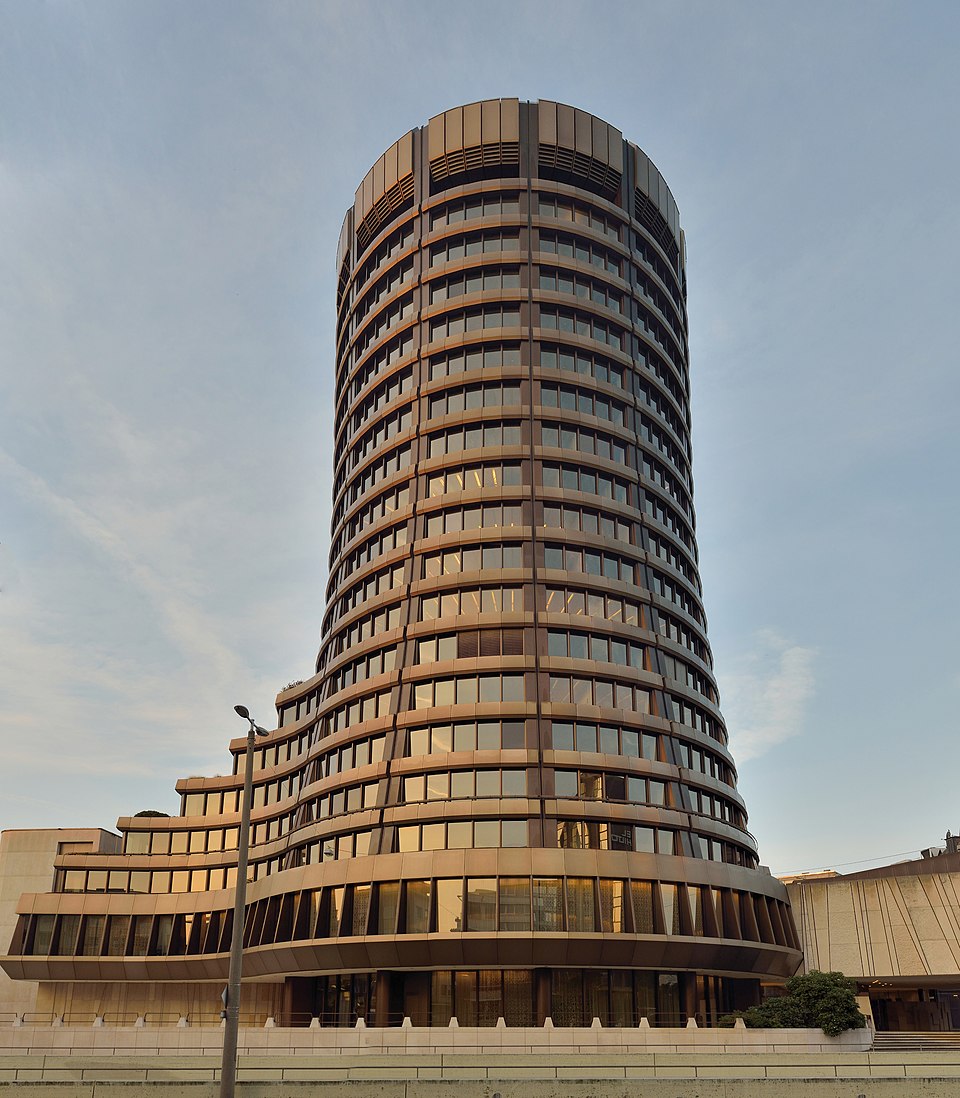
Building hosting the Basel Committee on Banking Supervision in Basel. Source: Wikimedia
A powerful standard-setting body
The Basel Committee is a global body that sets international standards for bank regulation, focusing on capital adequacy, risk management and supervision. Its rules, such as Basel III, ensure that banks worldwide remain stable and resilient, presumably reducing the risk of global financial crises.
Related: Basel Committee suggests introducing maturity limits for stablecoin reserve assets
The comments follow Chris Perkins, president of investment company CoinFund, saying in mid-August that capital requirements for banks set by the Basel Committee create a “chokepoint” designed to throttle the growth of the crypto industry. He said at the time:
“It’s a very nuanced way of suppressing activity by making it so expensive for the bank to do activities that they’re just like, ‘I can’t.’”
Related: Basel Committee finalizes crypto exposure rules for banks
According to the report, some countries, including the US, want to stay ahead of the game and review the standards before they are implemented. Other countries prefer implementing the current standards and reviewing them later.
The EU’s Markets in Crypto-Assets Regulation sets authorization and conduct rules for stablecoin issuers, while bank capital treatment for crypto asset exposures is handled under separate rules, including the EU’s CRR transitional framework and related technical standards.
Magazine: GENIUS Act reopens the door for a Meta stablecoin, but will it work?


Subscribe to daily byte-sized crypto news from Cointelegraph
Cointelegraph is committed to independent, transparent journalism. This news article is produced in accordance with Cointelegraph’s Editorial Policy and aims to provide accurate and timely information. Readers are encouraged to verify information independently.
More on the subject