Written by Nihatcan YanikCommissioned Content
Written by Nihatcan YanikCommissioned Content
Regulated exchange behind ‘9% of Europe’s MiCA-WP filings’ is building a ‘compliance-native’ L2
CommissionedPublishedFeb 3, 2026
With a significant share of Europe’s MiCA-WP filings under its belt, a regulated crypto exchange is deploying infrastructure to support the issuance and trading of RWAs.
Commissioned byLCX
Disclaimer. This content is part of a paid partnership. The text below is a sponsored article that is not part of Cointelegraph.com editorial content. The material is written by our advertorial team and has undergone editorial review to ensure clarity and relevance, it may not reflect the views and opinions of Cointelegraph.com. Readers are encouraged to conduct their own research before taking any actions related to the company. Disclosure.

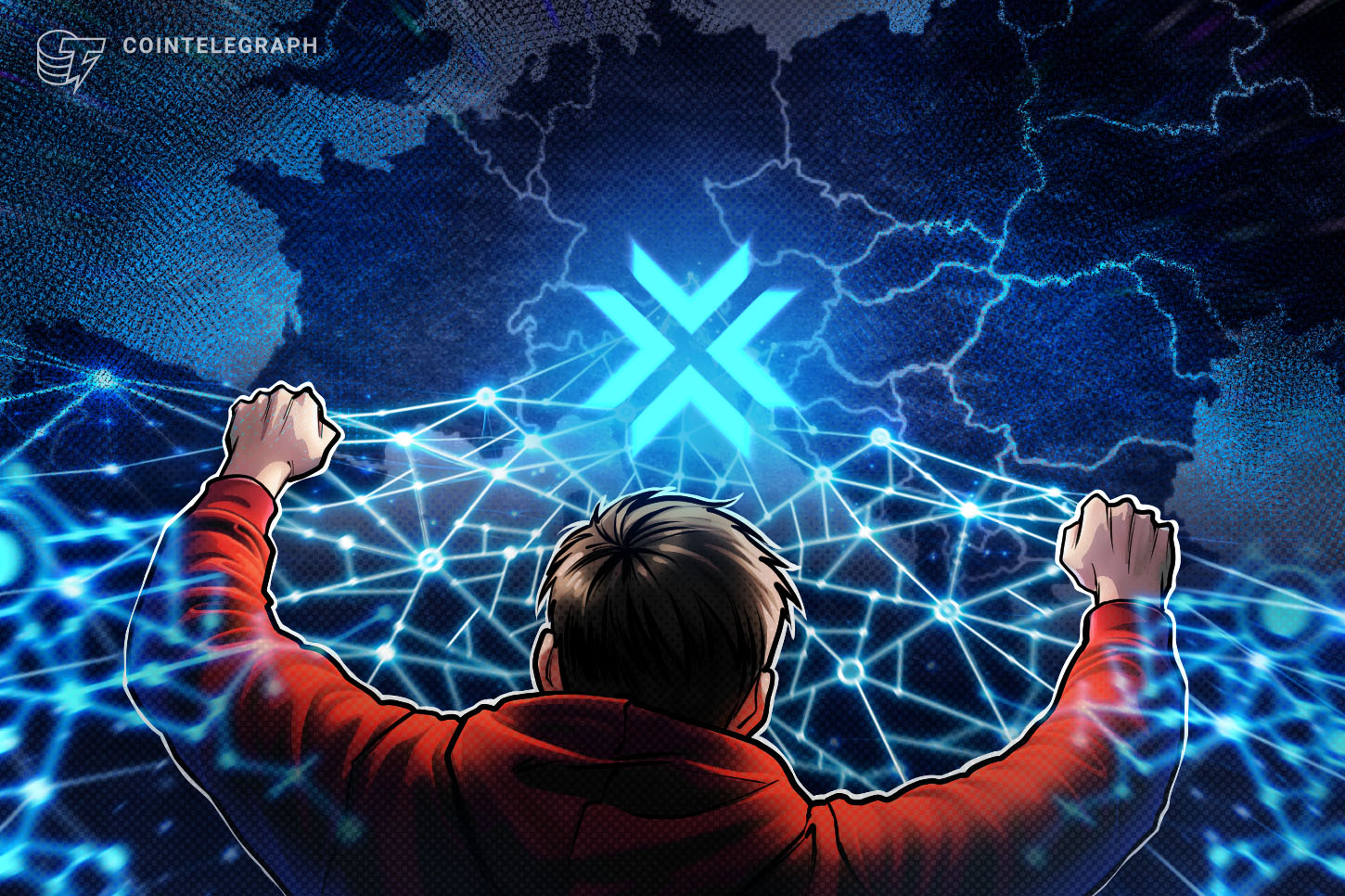
LCX — formerly standing for Liechtenstein Cryptoassets Exchange, now Liberty Crypto Exchange — is launching a compliance-first layer-2 blockchain designed to support tokenization at institutional scale.
For much of crypto’s first decade, exchanges focused on speed to market. New assets, new markets and rapid expansion took priority over regulatory structure. But as tokenization moves from experimentation toward real-world deployment, the requirements are changing.
Infrastructure now has to support governance, legal certainty and cross-border compliance as well as trading. That shift frames the latest move by European crypto platform LCX — formerly standing for Liechtenstein Cryptoassets Exchange, now Liberty Crypto Exchange.
The firm has announced a new phase of global expansion alongside the launch of Liberty Chain, a blockchain network designed specifically for compliance-ready tokenization at institutional scale.
From regional exchange to global infrastructure
Founded in Liechtenstein in 2018, LCX followed a different trajectory compared to many early crypto platforms. Instead of expanding first and addressing regulation later, the exchange was built inside a defined legal framework from day one.
It operates under Liechtenstein’s Token and Trusted Technology Service Provider Act, one of the first national laws to explicitly regulate blockchain-based assets. That regulatory foundation now underpins a broader shift for LCX.
The rebrand to Liberty Crypto Exchange reflects an ambition to move beyond exchange services and provide infrastructure for regulated digital markets globally. While Liechtenstein remains its regulatory base, the group has expanded through a global holding structure with operating entities in Liechtenstein, Lithuania and the United States, with additional jurisdictions planned as frameworks mature.
LCX is a leading global crypto exchange, pioneering regulated digital asset trading and tokenization since its founding in 2018.
👉https://t.co/DXirKGBAPS pic.twitter.com/nJBkqmiy5D— LCX (@lcx) January 23, 2026
Direct experience with European crypto filings
A defining element of LCX’s positioning is its direct involvement in regulatory processes. The company has applied for authorization as a Crypto-Asset Service Provider under the EU’s Markets in Crypto-Assets Regulation (MiCA) and has authored 63 MiCA-compliant crypto-asset white papers (MiCA-WPs).
According to the company, these filings account for nearly 9% of all filings registered with the European Securities and Markets Authority. This volume of submissions has given LCX direct operational experience with the regulatory documentation, disclosure requirements and filing processes applicable to crypto-assets under EU rules.
Where compliance meets execution
This regulatory perspective is embedded into Liberty Chain, a layer-2 network built on the Optimism OP Stack and operated by LCX as a regulated entity. The chain is designed to deliver low transaction costs, roughly two-second settlement times and interoperability within the OP Superchain ecosystem.
Liberty Chain is not a general-purpose blockchain. It is built for tokenized assets that require defined ownership, enforceable rules and jurisdiction-aware controls. The LCX token functions as the network’s utility asset, used for transaction fees, settlement and participation across the Liberty Chain ecosystem.
$LCX Token - Powering The LCX Ecosystem
The LCX Token ( $LCX) is the fuel of the https://t.co/4WqFv9WKrm platform and LCX Cryptocurrency Exchange as an exchange based utility token and universal utility token.
👉 https://t.co/Gq8ra7Nj0R pic.twitter.com/Tr0Qh435nY— LCX (@lcx) January 28, 2026
The layer-2 network builds on seven years of prior work, including LCX’s 2021 publication of the Liechtenstein Protocol, a tokenization infrastructure whitepaper that laid the conceptual groundwork for compliance-native blockchain design.
Looking to the future, its roadmap includes a native decentralized exchange (DEX) and derivatives primitives to support onchain spot and perpetual markets at the protocol level.
Framework for tokenized assets
Liberty Chain sits within a broader tokenization framework intended to support the full lifecycle of digital assets. The architecture is structured around three integrated layers:
- The Asset Layer: Focuses on registering real-world assets onchain using verified legal documentation, ownership structures and valuation inputs, supported by oracle systems that connect offchain data to onchain execution.
- The Policy Layer: Defines programmable rules governing asset behavior, including investor eligibility, jurisdictional restrictions, transfer conditions and compliance requirements such as Know Your Customer (KYC) and Anti-Money Laundering (AML). These rules are enforced automatically across issuance and secondary trading.
- The Liquidity Layer: Provides access to regulated venues and onchain liquidity pools while maintaining issuer-defined controls.
Taken together, the evolution from a regulated exchange into an infrastructure provider illustrates a wider industry movement toward systems designed for real-world deployment. As regulators and institutions converge on shared standards, compliance-native blockchains like Liberty Chain could become the default environment for issuing, trading and managing digital assets across jurisdictions.
Subscribe to daily byte-sized crypto news from Cointelegraph
This content is part of a paid partnership. The text below is a commissioned article that is not part of Cointelegraph editorial content. The material is written by our advertorial team and has undergone editorial review to ensure clarity and relevance, it may not reflect the views and opinions of Cointelegraph.com. Readers are encouraged to conduct their own research before taking any actions related to the company. Disclosure.
More on the subject