


 Written by Dilip Kumar Patairyaformer writerEdited by Rahul Nambiampurathformer editor
How Russia plans to allow crypto only for foreign trade settlements
MagazinePublishedMay 24, 2026
Russia’s new crypto rules focus on global trade, not local payments. Sanctions, regulation and policy are shaping this controlled approach.

Russia’s strategy for targeted digital asset integration
Russia is in the process of adopting a highly regulated system for digital assets, though its approach is nuanced rather than a straightforward legalization effort. Officials’ broad objective is to establish a system that facilitates international trade payments while limiting the role of digital assets within the country.
This model of crypto regulation in Russia primarily positions digital assets as a strategic geopolitical instrument rather than a routine financial asset. Fundamentally, Russia’s strategy remains targeted. Regulators are not treating digital currencies as a substitute for the ruble. Instead, they are outlining restricted applications intended to support external economic operations.
This difference matters. While other countries often discuss expanding retail access, Russia is prioritizing structured, institution-level applications linked to cross-border commerce. In this setting, crypto represents a means of strengthening payment system resilience rather than driving broader financial innovation.
Did you know? Russia allowed limited cryptocurrency use in foreign trade under a 2024 experimental regime while continuing to prohibit domestic crypto payments.
What Russia’s new bill proposes
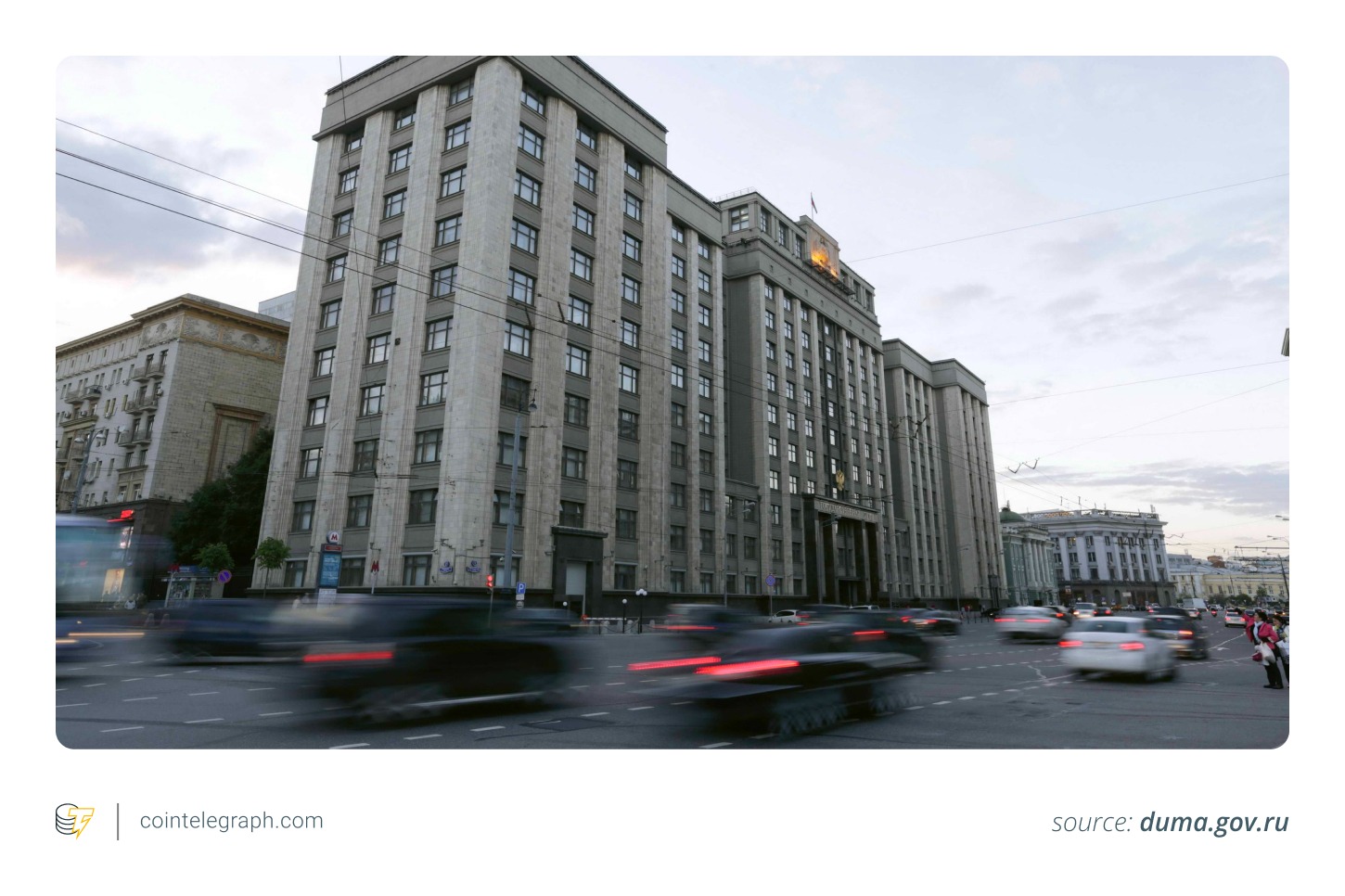
Russia’s State Duma approved a key cryptocurrency regulation bill at its first reading in April 2026, marking an important step toward establishing a formal legal framework for digital assets.
The legislation outlines rules for the circulation of cryptocurrencies, eligibility criteria for market participants and the institutions responsible for oversight. A core element of the proposal is centralized regulatory control.
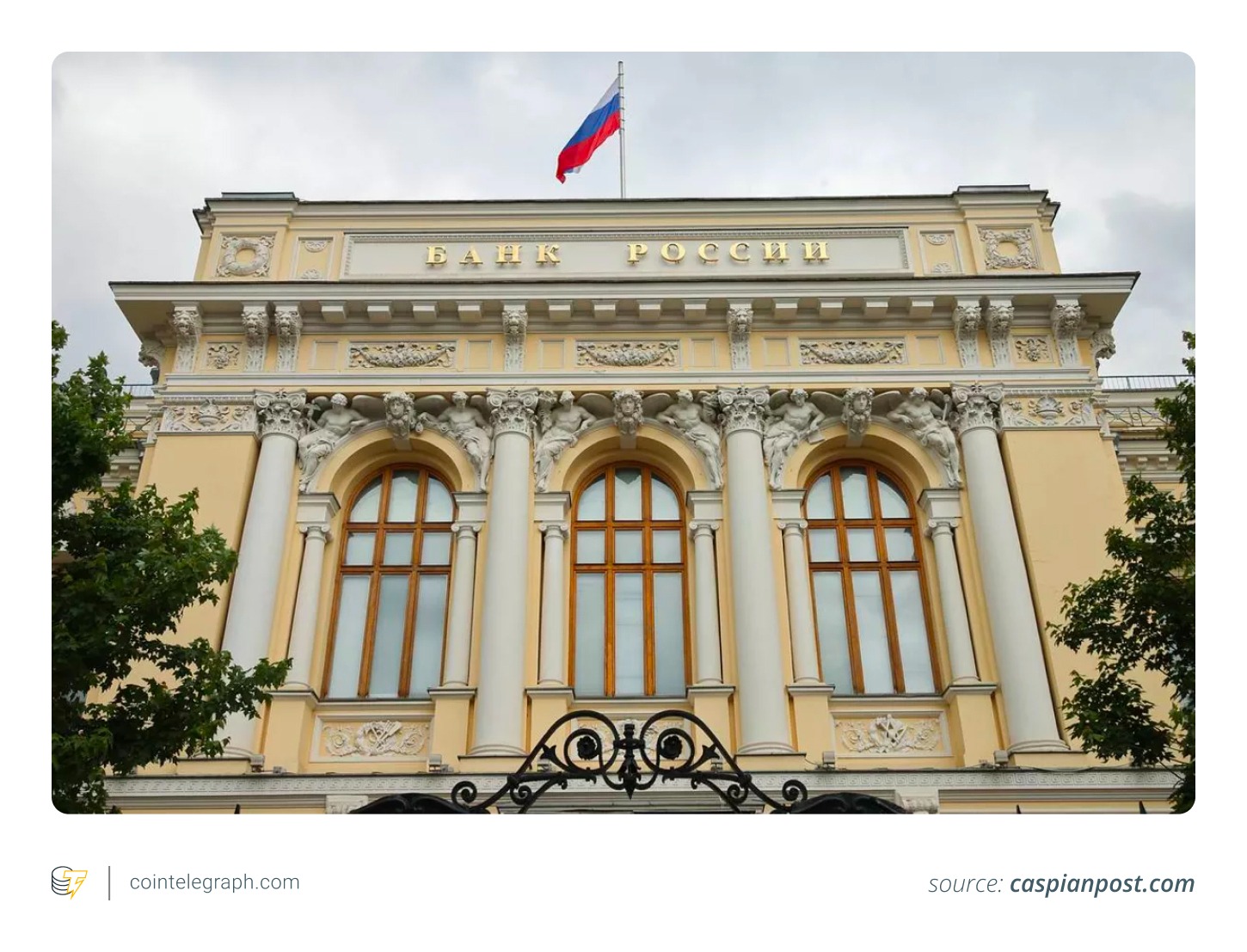
The Bank of Russia is positioned to serve as the lead supervisor, overseeing the licensing of operators, transaction monitoring and compliance enforcement. The approach prioritizes regulated participation through licensed intermediaries rather than an open or decentralized system.
Russian authorities are maintaining a clear boundary around domestic use. The ruble would remain the sole legal tender for payments inside the country, with cryptocurrencies excluded from everyday transactions involving individuals and businesses.
The Bank of Russia has repeatedly warned that allowing digital assets to be used for domestic payments could undermine monetary stability and effective oversight. This reflects a deliberate separation between domestic economic activity and external settlement channels.
The primary exception: International trade
The bill’s standout clause would permit the use of digital assets to settle foreign trade transactions. Companies engaged in cross-border business would be allowed to use cryptocurrencies for contractual payments, especially when conventional banking channels face restrictions.
This development builds on earlier moves in 2024, when Russian authorities began exploring limited uses of crypto for international commerce. The 2026 legislation would formalize and expand that direction, positioning digital assets as a potential alternative settlement mechanism for certain overseas transactions.
Exporters and importers could gain an additional way to navigate obstacles in global payments, particularly where access to traditional financial networks remains restricted.
Drivers behind the strategy
The overall direction stems from sustained geopolitical tensions and economic constraints. Sanctions imposed by Western countries have significantly restricted Russia’s access to conventional financial channels, including dollar-denominated payment routes and global banking networks.
In response, digital assets could provide an alternative mechanism for certain trade settlements, reducing dependence on conventional intermediaries. Nevertheless, the government is proceeding cautiously, developing a supervised environment that prioritizes oversight rather than unrestricted participation.
This combination of strong state control and targeted options for external trade forms the foundation of the proposed regulatory approach.
The Bank of Russia would be responsible for running the new system. It would license approved operators, decide which companies can participate and ensure they follow the rules.
Firms already operating under testing regimes or within established financial structures may find it easier to gain access. This setup indicates that cryptocurrency activity would remain largely confined to approved, supervised entities rather than becoming available to the wider market.
The overall design reflects a closed, permission-based model with carefully controlled access.
Restricted investor participation in crypto activities
Outside foreign-trade settlements, the bill would establish controlled access to cryptocurrency investments for individuals and companies.
Earlier Bank of Russia proposals focused on allowing “specially qualified” investors to participate under an experimental regime. Under the 2026 bill, non-qualified individuals may also be permitted to purchase cryptocurrency after completing a suitability test and within an annual limit set by the regulator. Qualified investors would face fewer restrictions.
This means the framework is not designed to eliminate retail participation entirely. Instead, it would allow limited access under rules intended to restrict risk exposure and keep activity within regulated channels.
Did you know? In 2024, the Bank of Russia launched an experimental legal regime enabling exporters and importers to make cross-border settlements in cryptocurrencies.
Western scrutiny and sanctions risks
Russia’s broader use of cryptocurrency in foreign trade is likely to remain closely watched by Western authorities, particularly where transactions involve sanctioned entities or financial intermediaries.
Sanctions-related pressure has already affected Russia’s cross-border payment channels. In 2024, banks in several major trading-partner countries became more cautious about processing Russian transactions because of secondary-sanctions risks. Russian officials later acknowledged that alternative settlement methods, including cryptocurrency, were being used in international payments.
However, wider use of crypto would not remove compliance risks. Trading partners, exchanges, custodians and payment intermediaries may still be subject to sanctions screening, reporting obligations or restrictions imposed by foreign authorities.
The practical use of cryptocurrency for trade settlements may also be limited by liquidity, custody requirements, transaction monitoring and price volatility.


Subscribe to daily byte-sized crypto news from Cointelegraph
Cointelegraph publishes long-form journalism, analysis and narrative reporting produced by Cointelegraph’s in-house editorial team with subject-matter expertise. All articles are edited and reviewed by Cointelegraph editors in line with our editorial standards. Some articles contain affiliate links, from which Cointelegraph may earn a commission. These relationships do not influence which products we review or our editorial conclusions. Content published in here does not constitute financial, legal or investment advice. Readers should conduct their own research and consult qualified professionals where appropriate. Cointelegraph maintains full editorial independence.
More on the subject