 Written by Dilip Kumar Patairyaformer writerEdited by Rahul Nambiampurathformer editor
Why tokenized SpaceX shares broke before retail investors could buy them
MagazinePublishedJun 23, 2026
Tokenized SpaceX shares drew more than $1 billion in demand, but many investors received refunds instead. What went wrong?
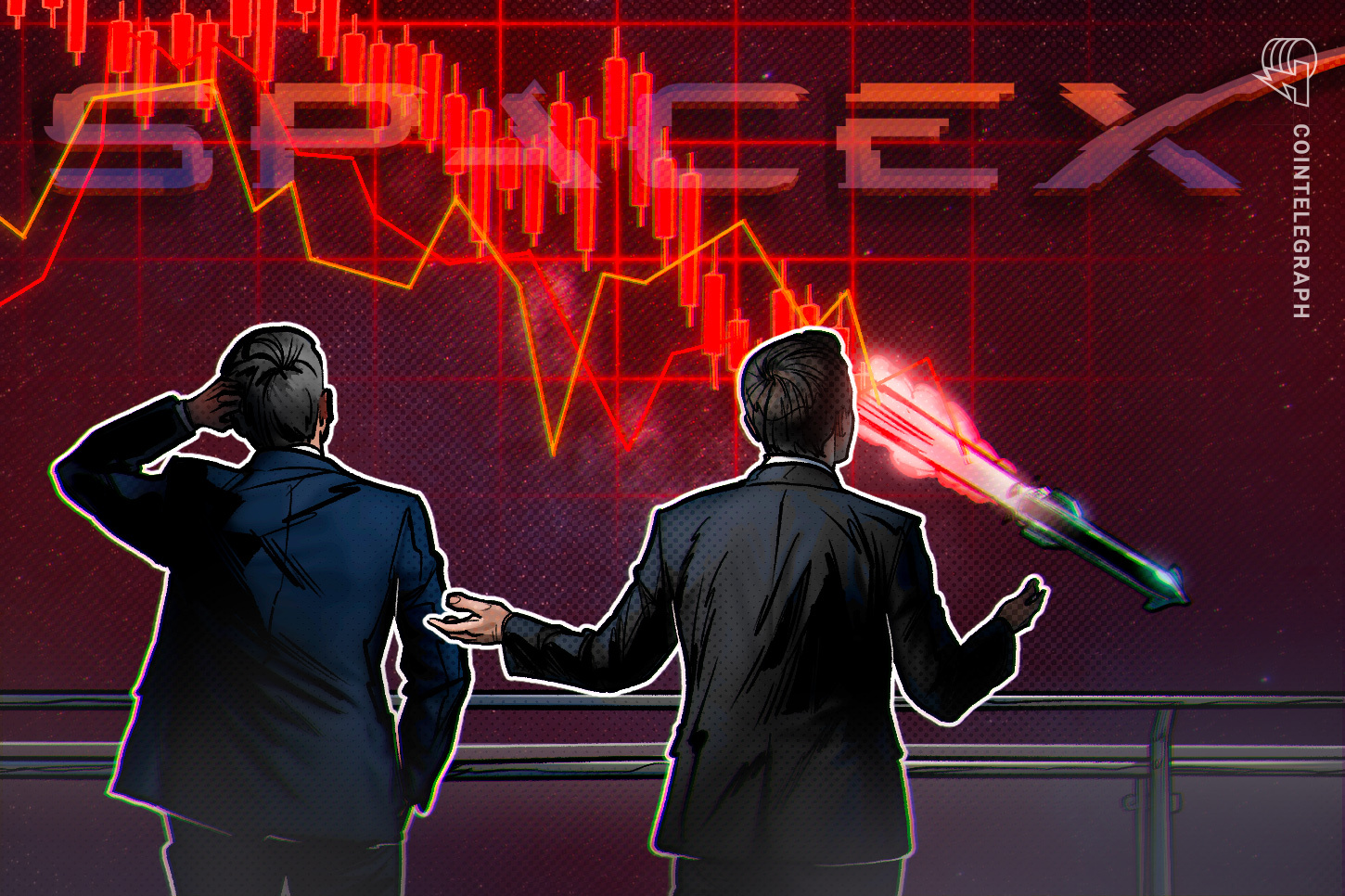
How the $1B SpaceX offering exposed crypto’s blind spot
For retail investors shut out of private markets, tokenized SpaceX shares offered an unusual route into one of the world’s most coveted private companies. The blockchain-based tokens allowed investors to seek exposure without a conventional brokerage account and before any potential public listing.
Then practical limits got in the way.
In June 2026, xStocks indicated customer demand had surpassed $1 billion for tokenized SpaceX shares. Crypto platforms such as Bybit, Binance Wallet and Bitget Wallet highlighted access to the offering, creating considerable excitement among users keen to obtain exposure to Elon Musk’s aerospace venture.
Several investors ultimately secured no allocation.
A number of platforms withdrew their initiatives and returned funds after being unable to obtain the necessary underlying SpaceX shares to support the tokens. The incident quickly became a significant practical test for tokenized equities. It highlighted a core reality in blockchain-driven investment: Tokenization may convert ownership into digital form, yet it cannot generate assets that are unavailable.
The outcome of the tokenized SpaceX share offering
A potential SpaceX Initial Public Offering (IPO) had long been expected to draw attention. The aerospace firm sits at the center of several major trends: commercial space travel, Starlink satellite connectivity, defense technology and Elon Musk’s global profile. Many investors had sought a direct stake for years.
To address this interest, xStocks introduced SPCXx, a tokenized representation of SpaceX shares. The product aimed to offer blockchain-based exposure to the company, allowing trading through crypto platforms instead of standard brokerages.
Demand surged sharply.
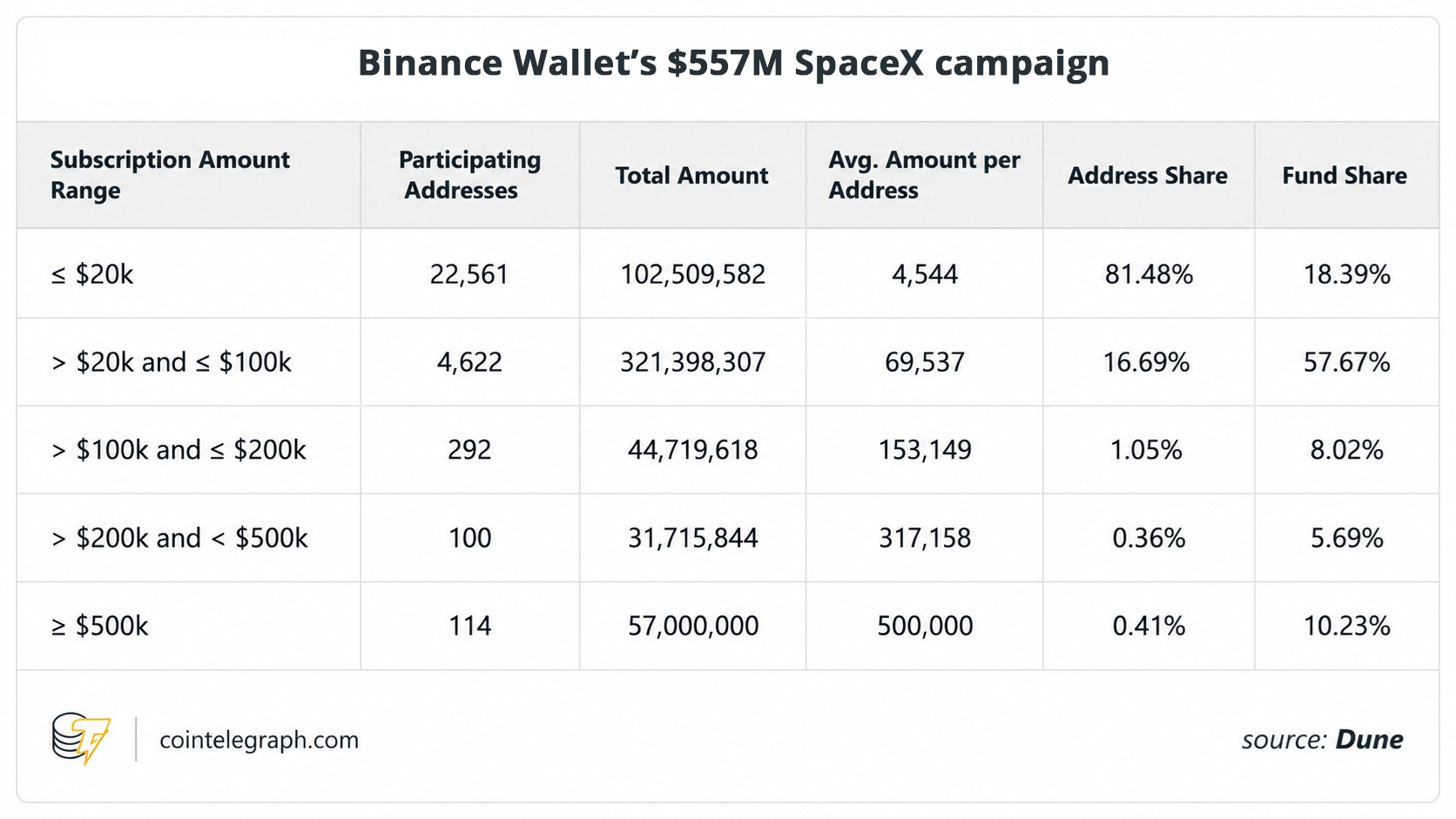
Reports indicated that subscriptions topped $1 billion before final allocation decisions. Binance Wallet alone reportedly drew more than half a billion dollars in commitments. Participants saw the opportunity as a rare way to gain exposure to one of the world’s most valuable private companies.
Then allocations were announced.
Several platforms involved said they had not obtained the required underlying shares to support token issuance. Without actual shares to back the product, the tokenized offering could not move forward.
This led to widespread cancellations and refunds.
How tokenized stocks work
Tokenized stocks are blockchain-based versions of traditional equity holdings. Rather than buying shares through a standard brokerage, investors purchase digital tokens that represent ownership or an economic interest tied to real shares held off-chain.
The process usually works as follows:
- A regulated custodian obtains the actual shares.
- A tokenization provider creates blockchain tokens backed by those shares.
- Investors buy and trade the tokens.
- The token’s value is designed to track the performance of the underlying stock.
The potential advantages are clear, although they come with important trade-offs.
Tokenized equities offer around-the-clock trading, global access, fractional ownership and easier use with crypto wallets and decentralized finance tools.
For investors in regions with limited access to US financial markets, tokenization offers a possible route to assets that were previously difficult or impossible to reach.
Did you know? The idea of tokenized securities predates blockchain. Financial institutions experimented with digital versions of stocks and bonds for decades, but blockchain made global, peer-to-peer ownership transfers easier and more transparent.
How xStocks planned to give investors SpaceX exposure
The SPCXx offering was built on a straightforward idea. For each token created, xStocks would obtain corresponding SpaceX shares to serve as collateral for the digital assets traded by participants.
From the investor’s standpoint, the process seemed simple. Users transferred funds, joined the subscription and expected to receive tokenized SpaceX exposure after allocation decisions.
The structure had special appeal because many retail participants believed tokenization could expand access to select IPOs historically reserved for institutional players and high-net-worth individuals.
What many overlooked was that the tokenization process still required genuine shares to be secured before the tokens could be issued.
This dependency became the decisive limitation.
Why demand outpaced available supply
The problem was not tokenization itself. It was the shortage of actual SpaceX shares needed to back the tokens. When investor interest in a company is exceptionally strong, only a finite number of shares can be distributed. Not every investor can receive the amount they want.
Traditional IPOs regularly face this constraint. Brokerages often receive fewer shares than clients request. Institutional investors compete aggressively for allocations. Retail investors often receive smaller stakes or no allocation at all.
The SpaceX case intensified this pattern.
Through blockchain infrastructure, xStocks greatly expanded the base of interested buyers. Tokenization extended participation beyond a limited group of brokerage clients to a global crypto audience.
Demand expanded sharply, while supply remained limited. The actual shares remained governed by traditional equity market restrictions. This gap ultimately became impossible to overcome.
Why tokenization cannot create shares that do not exist
A common misconception about tokenized stocks is that blockchain somehow removes scarcity. But that is not true.
Blockchain can improve settlement, broaden access and make trading more efficient. It can digitize ownership records and support fractional holdings. It cannot, however, create extra legal ownership in a company.
Each properly backed tokenized share requires a matching underlying asset. If a tokenization provider cannot acquire the shares, it cannot issue valid tokens.
This matters because tokenization is often presented as a major solution to limits in financial markets.
The SpaceX episode showed that some constraints still exist in the real world. No amount of blockchain technology can create more SpaceX shares when supply has run out.
Did you know? SpaceX remains one of the most actively traded private companies in secondary markets. Employees, early investors and venture funds often trade shares privately, creating an active private secondary market before the company’s public listing.
What went wrong for Bybit, Bitget Wallet and other partners
The challenges faced by partner platforms also point to another key issue in tokenized finance: reliance on long operational chains.
Bybit, Bitget Wallet, Binance Wallet and other distribution partners did not have direct control over the allocation process. Instead, they relied on xStocks and other infrastructure providers to acquire the underlying shares.
Once those shares were not available, the full distribution network stopped. Users often believed they were dealing directly with the asset itself.
Several intermediaries operated behind the arrangement:
- The tokenization provider
- The custodian holding the shares
- The allocation source
- The exchange or wallet distributing access
If any part of that sequence breaks, the overall user experience can suffer as well. In this case, the disruption happened before any tokens were issued.
How refunds protected users but exposed platform risks
To their credit, participating platforms generally processed refunds without delay. Some went further by offering additional compensation, rewards or fee refunds to reduce the setback.
Financially, most customers avoided direct losses. From a reputational standpoint, however, the situation was more complicated. Investors learned that advertised “access” did not mean guaranteed participation.
Many had viewed promotional efforts as confirmation that shares would become available. The cancellations made clear that acquiring inventory remained uncertain until final allocations were completed.
This lesson could shape how investors assess future tokenized offerings. Trust is one of the most important elements in financial markets, and cases like this can weaken it even when refunds are issued.
Did you know? Fractional ownership is not unique to crypto. Traditional brokers have offered fractional shares of expensive stocks such as Amazon and Berkshire Hathaway for years, allowing investors to buy part of a share rather than a whole unit.
Tokenized shares vs. conventional shares
A further takeaway from the SpaceX case concerns clarity over what tokenized shares actually represent. Many investors assume that buying a tokenized stock is the same as holding a standard share.
That is not always the case.
Depending on the structure, token holders may not receive:
- Voting rights
- Direct shareholder communications
- Participation in corporate governance
- Certain shareholder privileges
Instead, tokenized products may provide economic exposure to price movements rather than full legal shareholder status. This difference becomes especially important during corporate events, mergers, dividends or regulatory issues.
Investors should review the legal framework behind any tokenized equity offering before committing funds.
Key risks retail investors should understand
The SpaceX episode brought several risks into sharper focus. These risks go beyond this particular offering:
- Allocation risk: Popular assets often draw more demand than the available supply.
- Counterparty risk: Investors rely on issuers, custodians, exchanges and tokenization providers.
- Regulatory risk: Rules for tokenized equities continue to change across many jurisdictions.
- Liquidity risk: Trading activity can vary sharply from one product to another.
- Redemption risk: Investors need clarity on how tokens can be redeemed and what rights come with ownership.
None of these risks are unique to tokenized finance. However, the blockchain format can sometimes make them less obvious to investors with limited experience.
What the SpaceX episode reveals about tokenized equities
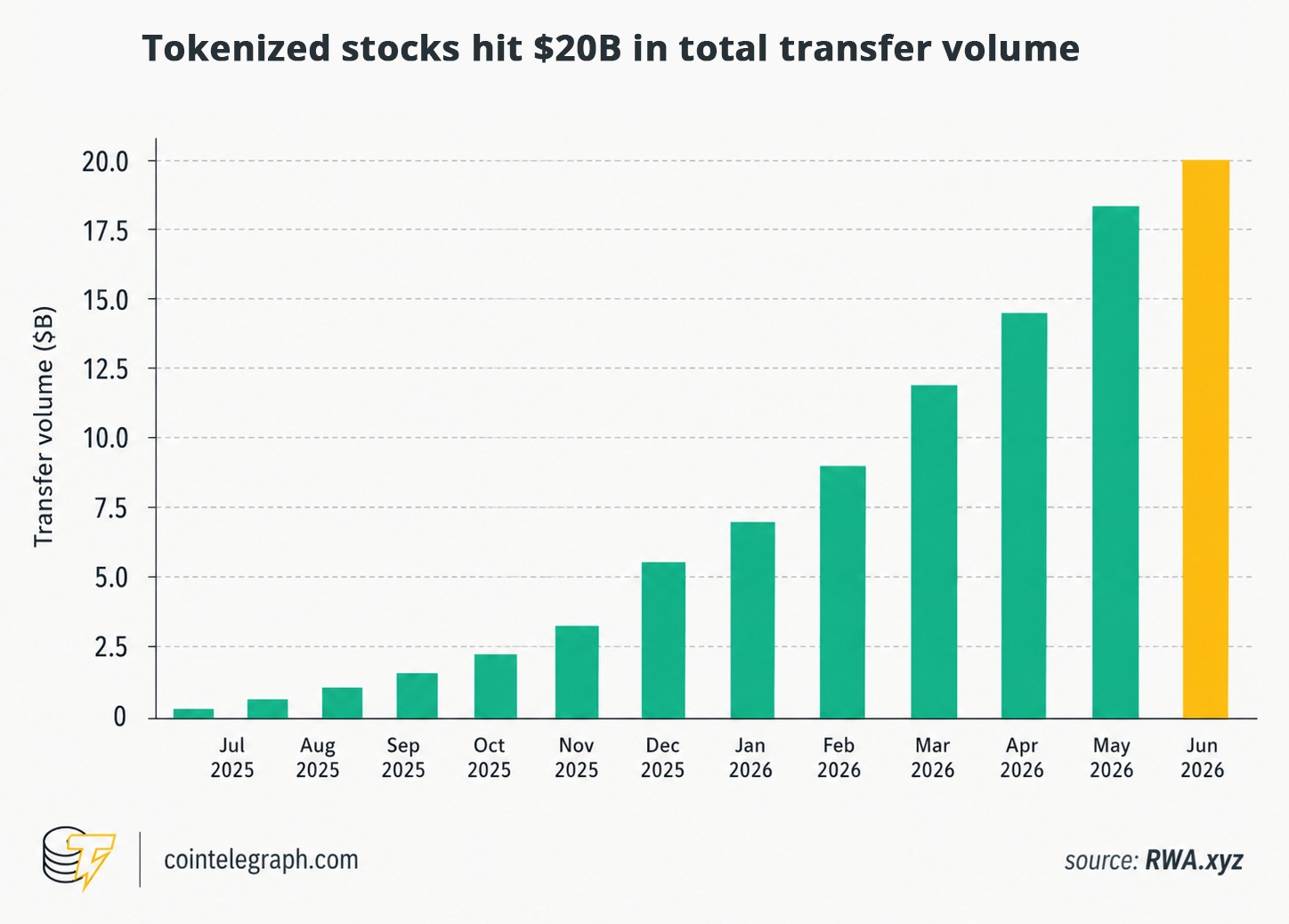
Although the effort fell short, the wider lesson may still be encouraging for the tokenization sector. Demand above $1 billion showed strong investor interest in blockchain-based access to traditional assets.
The market clearly wants tokenized equities.
Participants like the idea of managing stocks through crypto wallets. They value around-the-clock trading, global reach and lower entry barriers.
The difficulty lies in reliably linking that interest to actual assets in the real economy.
Future tokenized offerings could benefit from:
- Stronger sourcing agreements
- More transparent allocation processes
- Better disclosure of inventory limits
- Clearer explanations of investor rights
The underlying technology largely worked as planned.
What fell short was the ability to obtain enough of the underlying asset.


Subscribe to daily byte-sized crypto news from Cointelegraph
Cointelegraph publishes long-form journalism, analysis and narrative reporting produced by Cointelegraph’s in-house editorial team with subject-matter expertise. All articles are edited and reviewed by Cointelegraph editors in line with our editorial standards. Some articles contain affiliate links, from which Cointelegraph may earn a commission. These relationships do not influence which products we review or our editorial conclusions. Content published in here does not constitute financial, legal or investment advice. Readers should conduct their own research and consult qualified professionals where appropriate. Cointelegraph maintains full editorial independence.
More on the subject