Written by Stacy LaptiyCommissioned Content
Written by Stacy LaptiyCommissioned Content
A smart way to shop: AMA recap with seQura
CommissionedPublishedDec 15, 2025
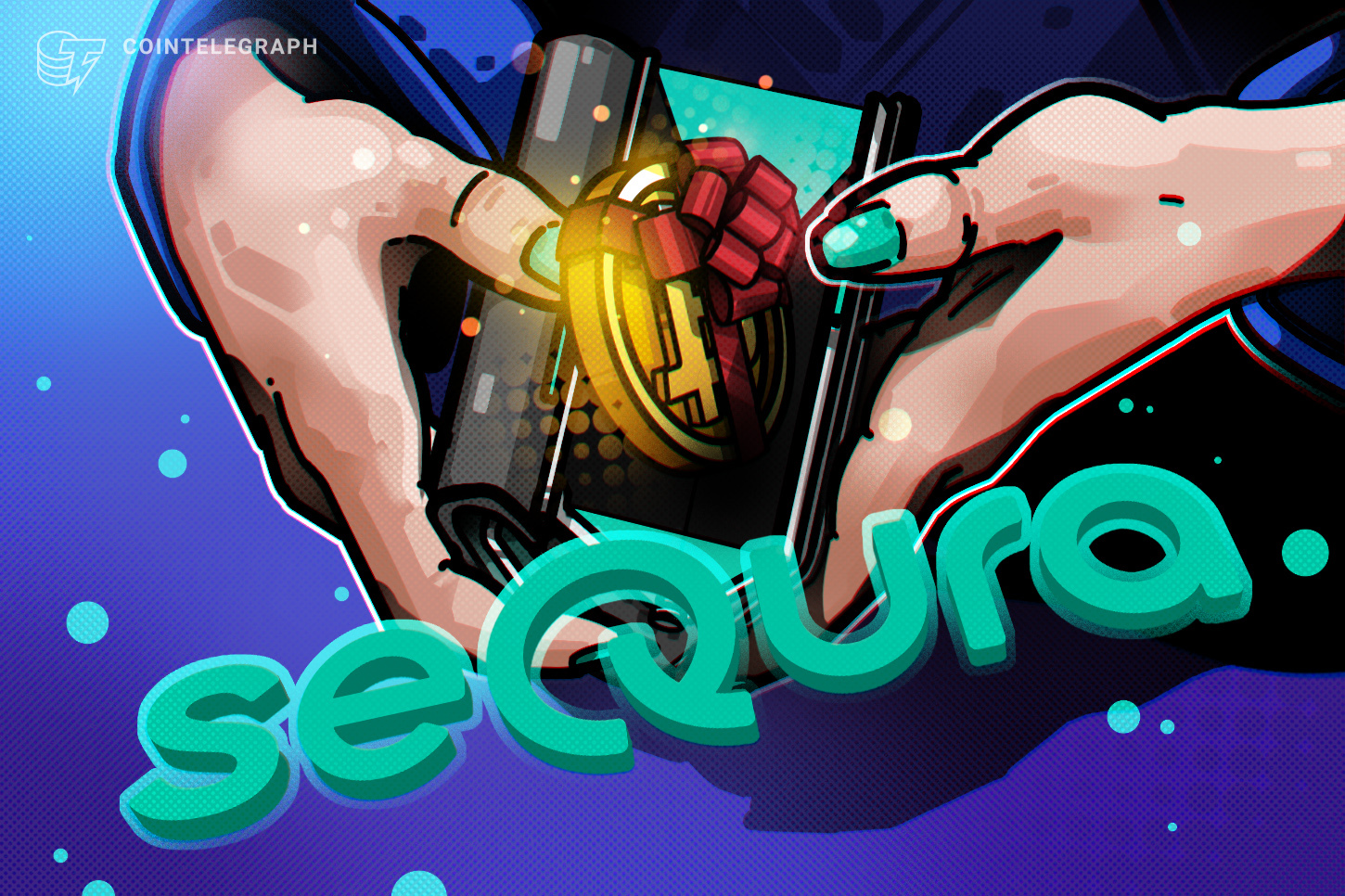
In a recent AMA, seQura explained how its smart shopping app blends flexible payments, purchase control and Bitcoin rewards to create a loyalty system that holds real value.
Commissioned byseQura
Disclaimer.This content is part of a paid partnership. The text below is a sponsored article that is not part of Cointelegraph.com editorial content. The material is written by our advertorial team and has undergone editorial review to ensure clarity and relevance, it may not reflect the views and opinions of Cointelegraph.com. Readers are encouraged to conduct their own research before taking any actions related to the company. Disclosure.

Points that stayed within closed systems used to be the norm in retail. But the focus of retail loyalty systems is steadily shifting to direct ownership.
In a recent Cointelegraph AMA, Adrián Escudé, chief revenue officer at seQura, outlined how a new smart shopping app offers such a system by combining flexible payments, full purchase control and Bitcoin rewards.
The Smart Shopping Era: AMA on How BTC Incentives Create Real Loyalty. [Brought to you by @sequra_app] https://t.co/J9Y1IfK7jz— Cointelegraph (@Cointelegraph) November 26, 2025
How smart shopping concept evolved
According to Escudé, seQura evolved from flexible payments into a broader commerce-tech platform focused on shopper value and merchant growth. The company started by offering installment payments across Southern Europe, then incorporated tools that help retailers convert more customers and build stronger relationships. Over time, this path led to the development of smart shopping technology and a direct-to-consumer app.
The smart shopping app of seQura brings product discovery, payment options, buyer protection and rewards in one place. It includes a search and shopping agent that helps users find what they need more quickly. Escudé said the goal is to give people more transparent rewards, more ways to pay and more control over their day-to-day shopping.
The idea grew out of a wider frustration with traditional cashback systems, where small, hard-to-track balances often feel meaningless to shoppers and complicated rules reduce trust. The seQura team chose to design an app they would use themselves and then refine it for a broader audience.
Bitcoin rewards as real loyalty
The smart shopping app includes Bitcoin rewards sent directly to users’ wallets. Escudé explained that shoppers can choose between a euro balance for future purchases or Bitcoin, which is transferred to their wallet once the return period ends.
Early data from the Nov. 11 rollout shows meaningful traction among new users. “We’re seeing about 40% of new shoppers choose Bitcoin,” he noted, adding that rewards go to user-controlled wallets with guides for supported providers. “We send Bitcoin directly to your wallet… It’s yours,” he said.
This loyalty model serves two audiences. Bitcoin holders can earn more Bitcoin through everyday spending, while seQura’s existing base of over three million shoppers may prefer something simpler. The app offers a choice between a euro-based “coins” balance or Bitcoin cashback with the same value at the time of purchase.
Educational guides help users set up and use supported wallets across major providers in Europe. Escudé described this as a simple way to step into Bitcoin while continuing normal spending, with no extra steps or market risk.
Regulation played a major role in how the system was built. Escudé noted that seQura chose a non-custodial model instead of holding Bitcoin for users. This required more work with legal teams but resulted in a solid product for Bitcoin-focused users. The company works with authorized providers and sends rewards directly after return periods end, staying aligned with the principle of user ownership.
Roadmap and adoption signals
Escudé announced new features and platforms that will advance the product. An upcoming travel portal will widen use cases, with flights and hotels offering about 5% cashback, and the reward amount fixed at the moment of purchase.
“You can book the trip and receive the Bitcoin after the cancellation period, with the value set at purchase time,” he said. The team is also testing smart search feature, a shopping agent that will help users find products and incentives across more than 6,000 integrated stores.
The first app rollout is planned for Spain, with Southern Europe planned for early 2026 and potential non-European launches later in the year. Escudé stated that timing depends on regulation as much as product readiness.
Looking forward, Lightning Network integration is scheduled for 2026 to enable fast, low-cost Bitcoin transfers for small rewards. More features for crypto-native users are also in the pipeline. Escudé described the broader goal as building a long-term bridge between retail spending and sound-money incentives, rooted in everyday purchases rather than trading.


Subscribe to daily byte-sized crypto news from Cointelegraph
This content is part of a paid partnership. The text below is a commissioned article that is not part of Cointelegraph editorial content. The material is written by our advertorial team and has undergone editorial review to ensure clarity and relevance, it may not reflect the views and opinions of Cointelegraph.com. Readers are encouraged to conduct their own research before taking any actions related to the company. Disclosure.
More on the subject