

Sponsored Content
Disclaimer. This content is part of a paid partnership. The text below is a sponsored article that is not part of Cointelegraph.com editorial content. The material is written by our advertorial team and has undergone editorial review to ensure clarity and relevance, it may not reflect the views and opinions of Cointelegraph.com. Readers are encouraged to conduct their own research before taking any actions related to the company. Disclosure.

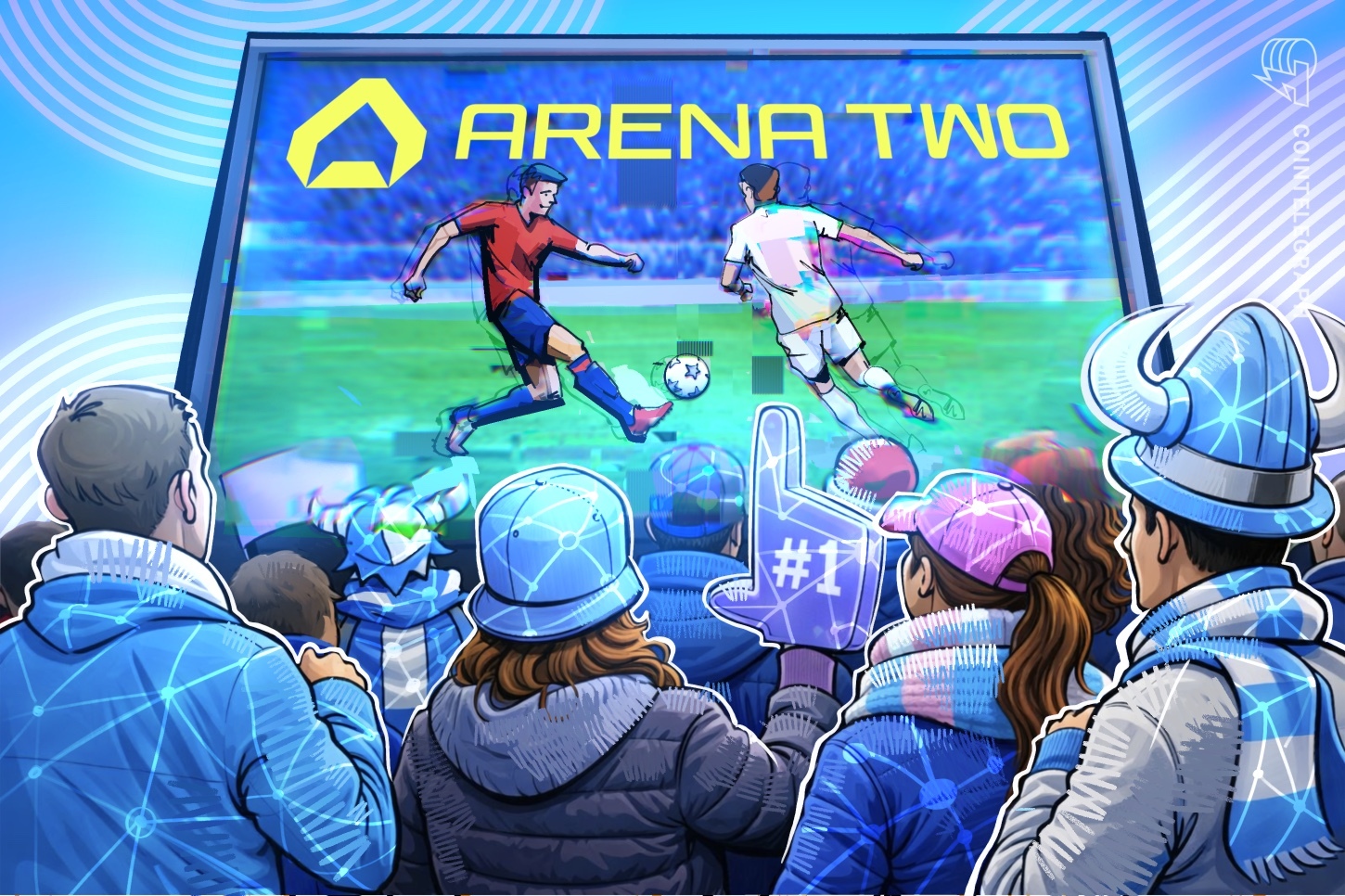
Gamified live sports platform Arena Two is launching a global interactive sports tournament that replaces passive spectatorship with “participation markets,” allowing fans to influence real-time on-field decisions using the platform’s token.
For decades, the role of the sports fan has been static: sit down, watch the broadcast and scream at the television when the manager makes a bad substitution. But for a generation raised on interactive gaming and second-screen experiences, passive spectatorship is becoming obsolete.
The modern audience doesn’t just want to watch the story unfold. They want the agency to change the ending. This shift from “viewing” to “playing” is the driving force behind Arena Two, a decentralized interactive sports and entertainment platform launching its inaugural World Series in January 2026.
By merging professional sports with real-time digital interactivity, the project aims to address the disconnect between legacy sports formats and the interactive demands of modern audiences.
The participation market
The sports industry has seen numerous attempts to digitize fandom, from fantasy leagues to fan tokens. While previous blockchain integrations have often been limited to restricting fan votes to cosmetic details like stadium playlists or bus designs, Arena Two introduces a model it calls “participation markets.”

Instead of predicting an outcome for a payout, fans use the platform’s native ATWO token to vote on real-time on-field decisions. When a team needs to decide between a defensive hold or an aggressive power play, that decision is outsourced to the collective intelligence of the fanbase via the mobile app.
Owning the league
A critical barrier for interactive sports has historically been the rigid structure of traditional leagues, where rules are sacred and third-party interference is strictly limited. Arena Two circumvents this by owning its league and intellectual property entirely.
Because the platform controls the format, starting with a global 6-a-side indoor football tournament, it has the autonomy to rewrite the rulebook to favor interactivity. This ownership model allows for the integration of “Presidents,” who are high-profile athletes and celebrities that lead the franchises.
The confirmed roster includes UFC legend Khabib Nurmagomedov, Manchester United icon Patrice Evra and World Cup champion Jérôme Boateng, serving as the faces of the franchises while the fans drive the strategy.
“All my life I fight. And I’m gonna win. Don’t compare yourself to me”, @TeamKhabib to Patrice @Evra 😤
— Arena Two (@arenatwoX) October 25, 2025
Dominates the debate: Fighting soul crushes playing games.
Eagles rise, no mercy. Only one wins 💥
KHABIB 🦅 or PATRICE ⚽️ Who is claiming victory?
Drop your pick!
Join… pic.twitter.com/2UAtMONQIF
Fans as co-owners
The participation aspect extends beyond the final whistle. The platform’s model is designed to make fans feel like co-owners. Through the system, users can participate in operational matters that typically happen in the boardroom, such as voting on player selections or sponsorship integrations.
This structure relies on the ATWO token as a digital rail for decision-making. It measures and verifies fandom, ensuring that those who care the most have the most say in the franchise’s direction (similar to a governance token).
From kickoff to expansion
The concept will be tested live in January 2026 with the kickoff of the Arena Two World Series, taking place across eight major cities including Dubai, Tokyo, Seoul, Munich, Manchester, New York, Mexico City and Hong Kong.

While football is the starting point, the infrastructure is built to be sport-agnostic. The roadmap includes expansion into cricket, MMA and fan-driven reality entertainment formats, applying the same “live gameplay” logic to new verticals.
As Omar Rahim, CEO of Arena Two, states:
“Our vision is that the next generation of sport and entertainment won't be passively watched from the sofa. It will be lived, co-owned and steered in real time onchain.”
Initiatives like Arena Two could push the wider sports industry to rethink fandom as an active input into how competitions are designed, governed and experienced. Over time, this shift could blur the line between sport, gaming and entertainment, potentially setting new expectations for what “live” really means in a digital-first era.
Disclaimer.This content is part of a paid partnership. The text below is a sponsored article that is not part of Cointelegraph.com editorial content. The material is written by our advertorial team and has undergone editorial review to ensure clarity and relevance, it may not reflect the views and opinions of Cointelegraph.com. Readers are encouraged to conduct their own research before taking any actions related to the company. Disclosure.