
Written by Nihatcan YanikCommissioned Content
Written by Nihatcan YanikCommissioned Content
‘Points build transactions, ownership builds loyalty’ — Interview with seQura
CommissionedPublishedFeb 23, 2026
SeQura’s Adrián Escudé claims traditional loyalty systems are failing to build trust and explains how Bitcoin rewards can fix it.
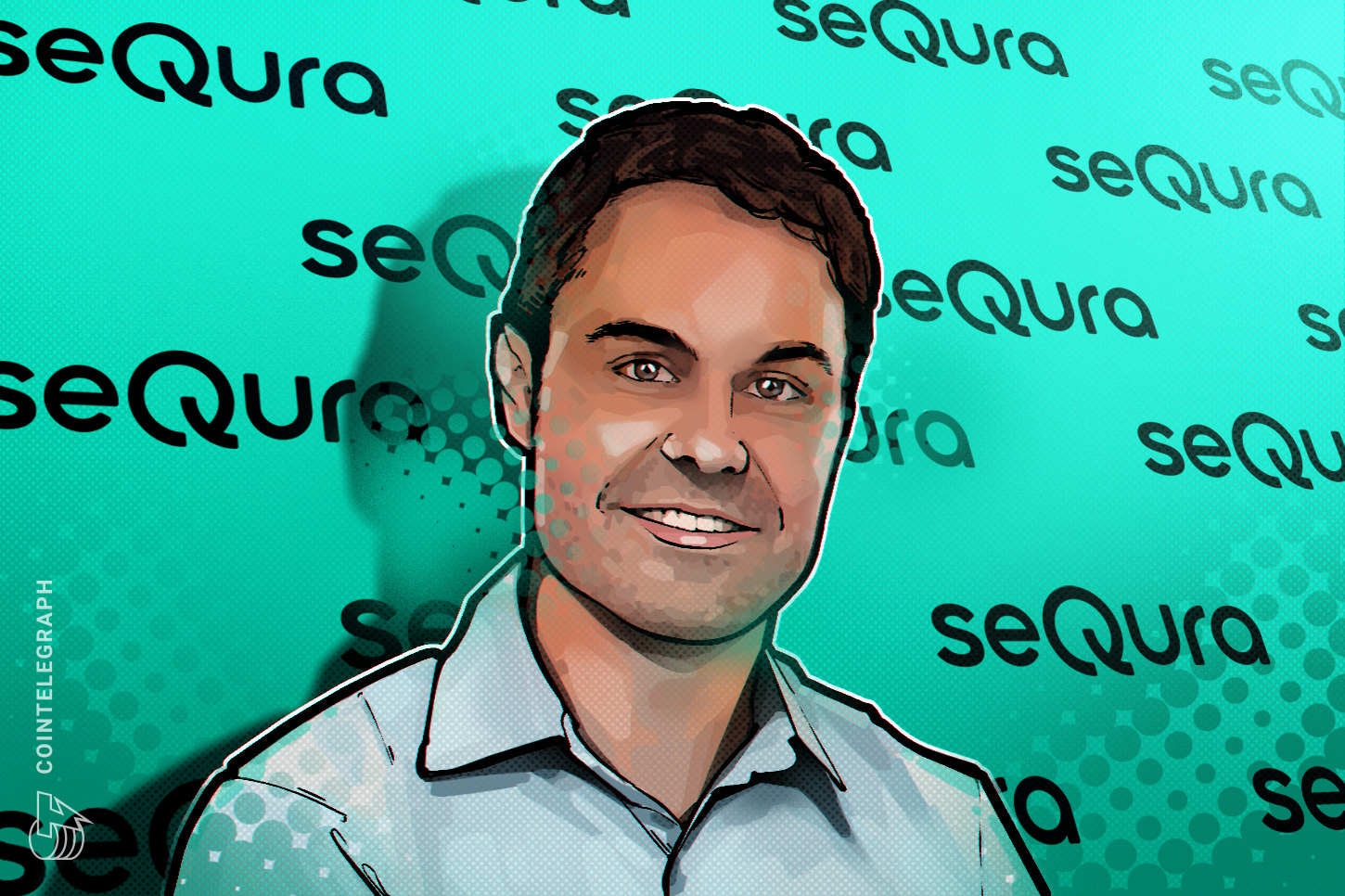
Commissioned bySeQura
Disclaimer. This content is part of a paid partnership. The text below is a sponsored article that is not part of Cointelegraph.com editorial content. The material is written by our advertorial team and has undergone editorial review to ensure clarity and relevance, it may not reflect the views and opinions of Cointelegraph.com. Readers are encouraged to conduct their own research before taking any actions related to the company. Disclosure.

Loyalty programs have historically depended on points and closed ecosystems to drive retention, but modern consumers are becoming increasingly skeptical of their utility. SeQura, a commerce-tech platform focused on smart shopping solutions, argues that these traditional models are failing to build lasting trust.
SeQura’s chief revenue officer, Adrián Escudé, attributes this “structural limitation” to the nature of points being “controlled value,” noting that expiration dates and fragmentation create friction instead of attachment.
In this interview, Escudé dives into how Bitcoin (BTC) can serve as a “stronger” foundation for loyalty and how asset-based rewards shift consumer behavior.
Cointelegraph: Loyalty programs have relied on points and discounts for decades. What was the moment when it became clear to seQura that this model was no longer working?
Adrián Escudé: It wasn’t a single moment, it was a pattern. Shoppers were accumulating rewards they didn’t value, and merchants were funding programs that didn’t build real loyalty. Points expire, rules change and most users never feel true ownership.
At the same time, commerce became faster and more global, but loyalty stayed locked in closed systems. That gap became impossible to ignore.
We realized rewards shouldn’t feel like marketing mechanics. They should feel like real value. If people are used to instant digital payments and global commerce, loyalty should evolve in the same direction. That idea pushed us to rethink the foundation of rewards at seQura.
CT: Why did seQura choose Bitcoin specifically as the foundation for its loyalty model?
AE: Trust. If rewards represent value, they need to sit on the most reliable infrastructure available.
Bitcoin is the most established and widely understood digital asset. It has been running for over a decade, survived multiple market cycles and proven it can operate at global scale without central control. We’re not choosing tokens based on hype or short-term yield. We’re choosing the asset with the strongest credibility in the space.
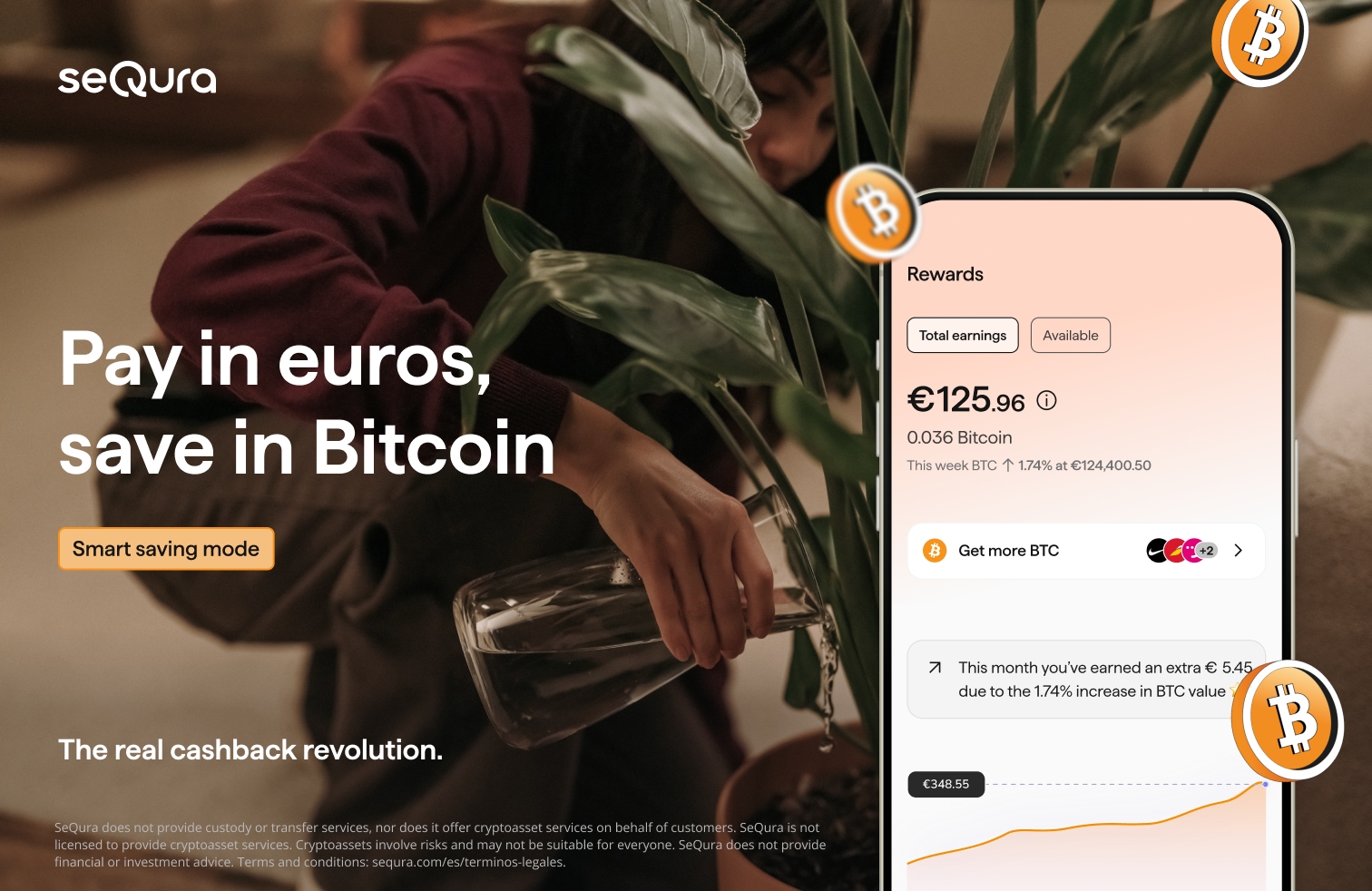
Source: seQura
Traditional cashback traps value inside closed loops. Bitcoin gives people freedom. They can hold it, spend it or move it. The decision is theirs.
That ownership attracts a different type of engagement. Users treat rewards as real value, not disposable credit. From a loyalty perspective, that creates a structurally stronger relationship.
CT: You describe Bitcoin cashback as “zero-risk” for shoppers. What does zero-risk actually mean in practice for someone who’s curious but cautious about crypto?
AE: Zero-risk means shoppers never invest their own money to participate. They earn rewards from purchases they were already going to make. There is no upfront cost, no trading decision and no obligation to hold.
We also don’t custody or manage crypto on the customer’s behalf. If a shopper chooses Bitcoin rewards, they are sent directly to their own wallet through authorized providers. SeQura isn’t holding the asset. The user keeps full control from the start.
Participation is optional and transparent. For cautious shoppers, the key idea is simple: you’re accepting a reward, not taking a financial risk, and the asset is yours from day one.
CT: Have you observed differences in how users behave when rewards are assets they own, rather than points they can only spend?
AE: Absolutely. Ownership changes behavior. When people earn Bitcoin, they don’t rush to spend it. They hold it, track it and engage with it over time. That creates a completely different relationship with the brand.
Traditional points create urgency: “use it before it expires.” Bitcoin creates long-term engagement: “I’m accumulating value.” The mindset shifts from consumption to value.
For us, this is part of smart shopping. We’re not encouraging people to buy more than they need. If someone replaces a broken washing machine and earns Bitcoin for it, they’re simply capturing value from a necessary purchase.
Ownership builds loyalty because it respects the shopper. Points build transactions.
CT: How is it important for rewards to be sent directly to the user’s wallet rather than held inside the seQura app?
AE: Direct delivery reinforces ownership. If rewards stay inside our app, we recreate a closed loop. Sending them to the user’s wallet makes the reward independent from our platform.
That autonomy builds trust. Users can keep it, move it or ignore it. The choice is theirs. We are facilitating value transfer, not holding it.
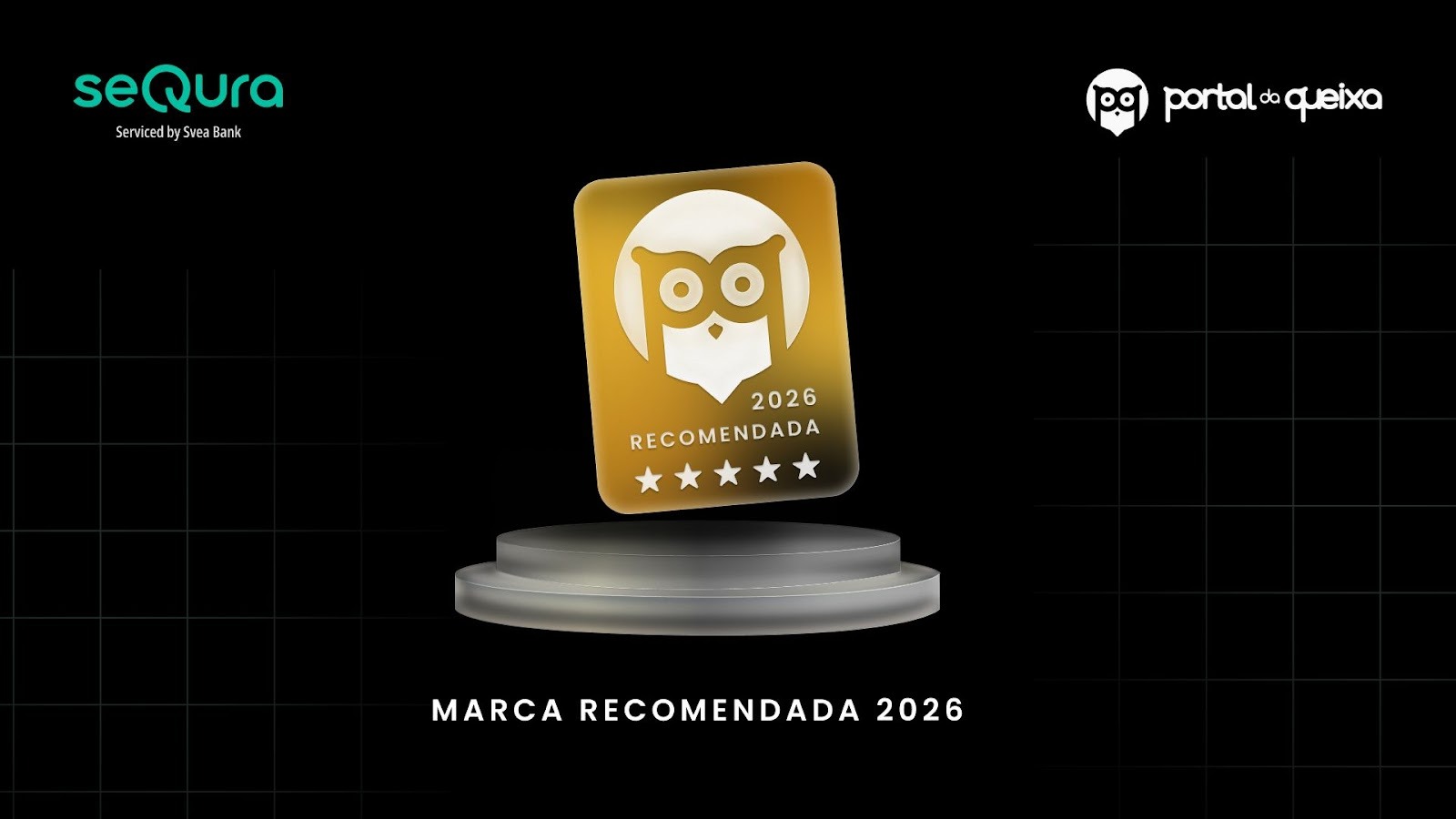
SeQura recently won the Marca Recomendada 2026 from a Portuguese reputation platform, Portal da Queixa. Source: seQura
From our perspective, loyalty should empower shoppers, not bind them to a system. Direct wallet delivery turns rewards into personal property instead of platform credit, which aligns with the philosophy behind asset-based loyalty.
CT: What drove your decision to extend asset-based loyalty into travel through seQura’s travel vertical, SQ Travel?
AE: Travel was a natural next step. It’s one of the most fragmented loyalty spaces. People collect miles, hotel points and vouchers across systems that rarely connect. Value gets trapped and often expires before it’s used.
We wanted to simplify that experience. Travel is emotional and international by nature, so attaching a reward the shopper truly owns makes more sense than locking value inside another silo.
Asset-based rewards travel with the user. They don’t depend on a single airline or platform. That portability is exactly what modern loyalty should look like.
CT: How do merchants respond to the idea of sharing value through an external asset rather than controlling rewards internally?
AE: At first, there’s healthy skepticism. Retailers are used to controlling their loyalty systems. But once they understand the model, the conversation shifts from control to effectiveness.
What merchants care about is whether loyalty drives repeat behavior and trust. External assets remove friction and increase perceived value, which strengthens engagement. That benefits them directly.
Instead of managing complex point liabilities, they fund rewards that shoppers instantly recognize as real value. The system becomes simpler, more transparent and more credible.
CT: Looking ahead, do you see ownership-based loyalty becoming a default expectation for shoppers?
AE: Yes, and faster than many expect. We’re already seeing early adopters actively look for rewards they truly own. The next generation of shoppers won’t accept value that disappears or systems they don’t control.
They’ve grown up in a world where digital ownership is normal, whether it’s crypto, digital assets or control over their own data. Loyalty programs that ignore autonomy will start to feel outdated.
This isn’t a short-term trend. It’s a fundamental shift in how people relate to value. Over time, ownership won’t feel innovative, it will simply feel like the standard.
Subscribe to daily byte-sized crypto news from Cointelegraph
This content is part of a paid partnership. The text below is a commissioned article that is not part of Cointelegraph editorial content. The material is written by our advertorial team and has undergone editorial review to ensure clarity and relevance, it may not reflect the views and opinions of Cointelegraph.com. Readers are encouraged to conduct their own research before taking any actions related to the company. Disclosure.
More on the subject