Written by Nihatcan YanikCommissioned Content
Written by Nihatcan YanikCommissioned Content
Stablecoin wallet introduces zero-gas USDT transfers on BNB Chain
CommissionedPublishedMar 25, 2026
The wallet is expanding its stablecoin infrastructure by covering gas fees for USDT transfers and enabling stablecoin-based gas fee payments across multiple blockchains.
Commissioned byTokenPocket
Disclaimer. This content is part of a paid partnership. The text below is a sponsored article that is not part of Cointelegraph.com editorial content. The material is written by our advertorial team and has undergone editorial review to ensure clarity and relevance, it may not reflect the views and opinions of Cointelegraph.com. Readers are encouraged to conduct their own research before taking any actions related to the company. Disclosure.

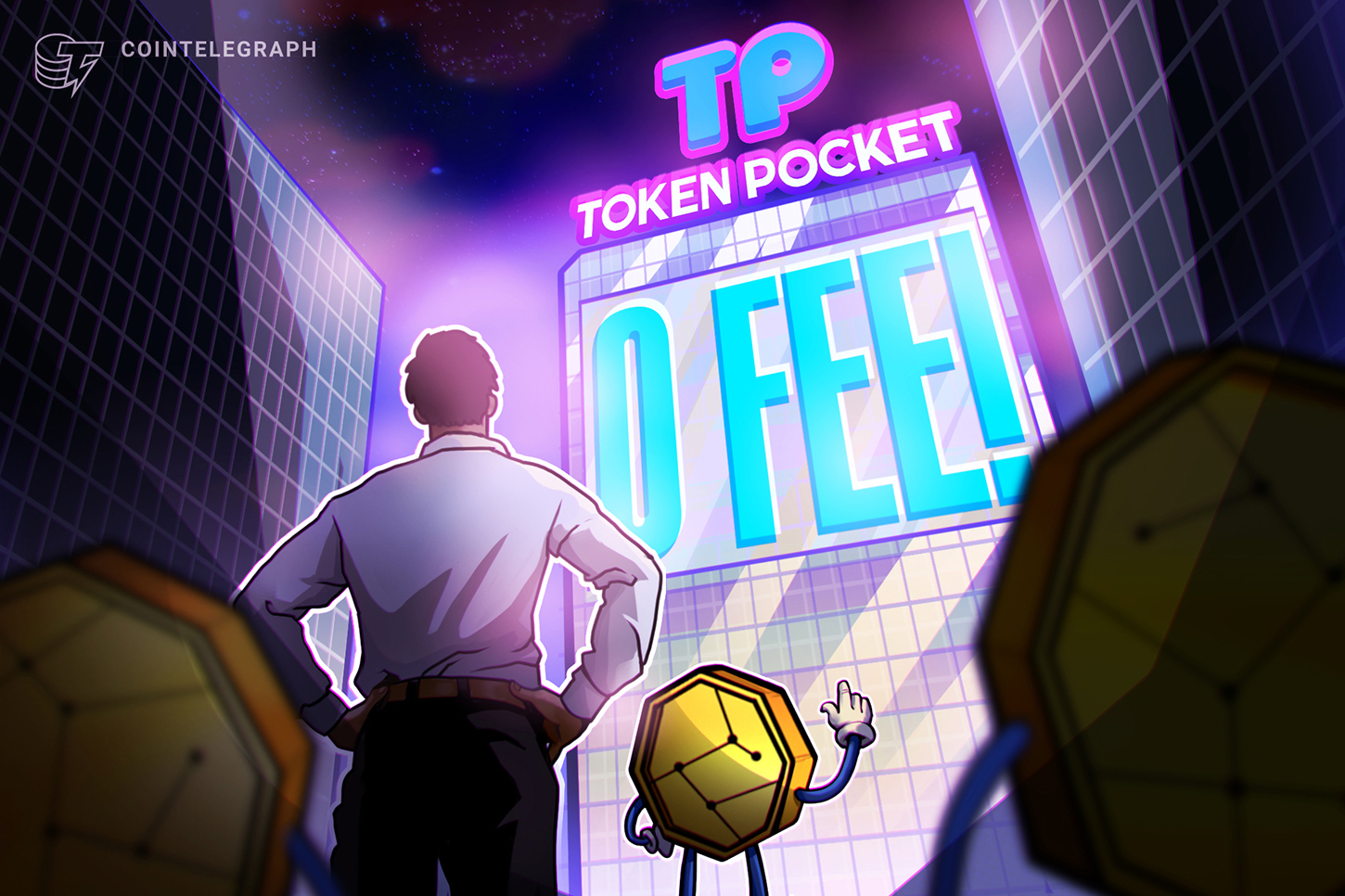
Stablecoin wallet TokenPocket now sponsors USDT transfers on the BNB Chain, allowing users to send stablecoins without paying transaction fees or holding native tokens.
The internet only reached mass adoption when its underlying complexities faded into the background. Users don’t pay micro fees to send emails or hold network-specific tokens to browse the web — yet blockchain payment still demands exactly that.
Even as stablecoins have grown into a major force in global finance, recently surpassing $310 billion in total market capitalization, the user experience remains fragmented.
To send stablecoins, users are still typically required to hold a separate, often volatile native token just to cover transaction fees. This added friction continues to create a barrier to entry, limiting stablecoins from evolving into truly seamless, everyday payment instruments.
Eliminating the cost of execution
Infrastructure providers must fundamentally rethink how transaction costs are handled to break this barrier. Addressing this structural challenge, self-custodial wallet TokenPocket has introduced mechanisms designed to completely cover network fees for stablecoin transfer users.
🔥0 Gas USDT Transfers are now live
You can now send $USDT on BNB Chain @BNBCHAIN with zero gas fees, no BNB needed.
Learn more: https://t.co/x86uwKfeFY
Gas fees covered by TokenPocket✨ pic.twitter.com/oQfj2a9fWZ— TokenPocket (@TokenPocket_TP) March 23, 2026
The platform recently rolled out a zero-gas feature for Tether (USDT) transfers on the BNB Chain, allowing users to send dollar-pegged assets without paying gas fees or needing to acquire and hold BNB (BNB) tokens.
The update builds on the wallet’s broader zero-fee transfer infrastructure, extending a smoother and simplified stablecoin settlement experience across for everyone.
TokenPocket already supports zero-fee transfers for several major assets, including USDT, USDC (USDC), World Liberty Financial USD (USD1) and United Stables (U) on BNB Chain, as well as both USDT and USDC on the Solana network, with existing gas free transfer capabilities on Tron Network.
Say goodbye to gas fees ⛽❌
TokenPocket has long supported zero-gas transfers for major stablecoins on on multiple chains. You can send the assets below without paying gas fees or holding native tokens:
🔹BNB Chain @BNBCHAIN: USDT, USDC, USD1
🔹Tron @trondao: USDT, USDD… pic.twitter.com/19SSjcQfdY— TokenPocket (@TokenPocket_TP) March 24, 2026
Reducing reliance on native tokens
In parallel, TokenPocket has introduced a stablecoin gas payment feature, enabling users to pay network fees directly in USDT or USDC.
The feature supports common onchain activities such token swaps, cross-chain bridging, and standard transfers across major public blockchains. By allowing network fees to be settled in stablecoins, the wallet solves the need for users to acquire volatile native tokens like Ether (ETH), BNB or Solana (SOL) just to complete transactions, eliminating an extra step that often slows users down.
Simplifying stablecoin settlement
TokenPocket has been building out its stablecoin infrastructure since 2023, with the goal of optimizing and simplifying stablecoin settlement.
As stablecoin market capitalization surpasses $310 billion, reducing execution friction and sponsoring gas fees are becoming critical to improving how value is settled onchain. By simplifying transaction flows and minimizing reliance on native tokens, such solutions are helping make stablecoin settlement more efficient, consistent and scalable.


Subscribe to daily byte-sized crypto news from Cointelegraph
This content is part of a paid partnership. The text below is a commissioned article that is not part of Cointelegraph editorial content. The material is written by our advertorial team and has undergone editorial review to ensure clarity and relevance, it may not reflect the views and opinions of Cointelegraph.com. Readers are encouraged to conduct their own research before taking any actions related to the company. Disclosure.
More on the subject