

 Written by Zoltan Vardaistaff writerEdited by Bryan O'Sheastaff editor
Spain seizes crypto cold wallets in illegal manga piracy raid
Latest NewsPublishedApr 23, 2026
Spanish police seized crypto cold wallets tied to an alleged illegal manga site, as questions remain over whether officers can access the funds.
Spanish police seized two crypto cold wallets containing about 400,000 euros ($467,000) during a raid on what authorities described as the country’s largest illicit Spanish-language manga distribution platform.
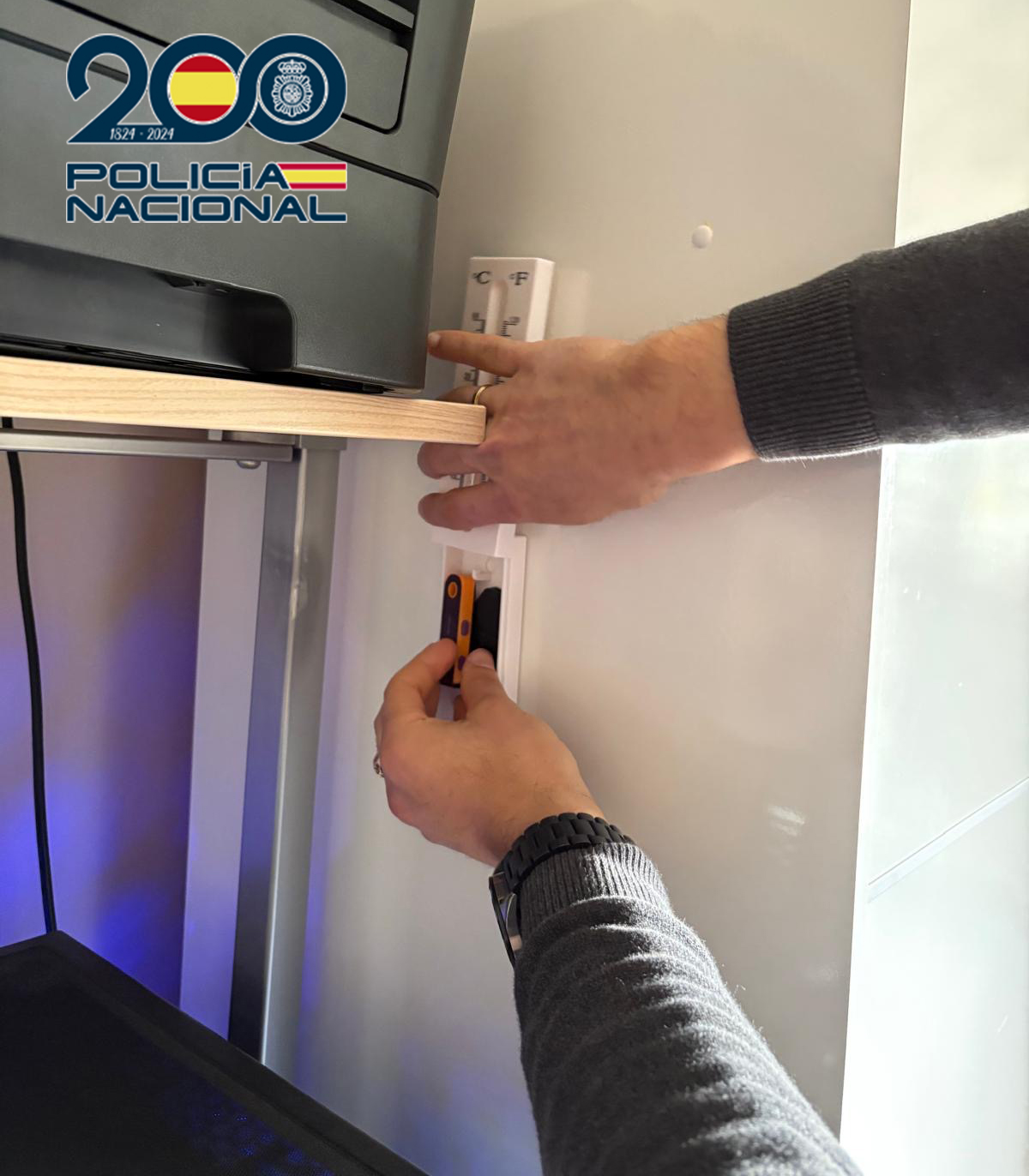
Police in Almería arrested three suspects and confiscated two cold wallets hidden inside a wall thermometer, seized from what authorities called the largest portal for illegal manga distribution that generated over 4 million euros ($4.6 million) over the past decade, according to Spain's Interior Ministry.
The ministry said the website had offered free access to pirated manga since 2014 and generated most of its revenue through advertising.
The raid highlights how hardware wallets are increasingly appearing in investigations far removed from crypto-native crime. Authorities did not say whether they had obtained the credentials needed to access the funds stored on the devices. The Spanish Ministry of Interior had not responded to Cointelegraph's request for comment by publication.
The investigation was launched in June 2025 after complaints from rights holders, according to the ministry.
Spanish police seized two crypto cold wallets. Source: Interior.gob.es
South Korean authorities lose seized funds from police custody
Recent cases in South Korea have also shown that seizing digital assets is only part of the challenge, with custody and post-seizure handling emerging as separate risks.
In February, South Korean authorities discovered that about 22 Bitcoin (worth $1.5 million at the time) had disappeared from the custody of the Gangnam Police Station, after being confiscated in 2021.
The missing funds were discovered during a nationwide audit of digital asset custody practices. Authorities reportedly said the 22 Bitcoin had been transferred externally, though the cold wallet storing the tokens was not stolen.
The investigation followed a prior case at the Gwangju District Prosecutors’ Office where 320 BTC (worth about $21.3 million at the time) disappeared in August 2025. Prosecutors in that case blamed a leaked password as part of a phishing attack.
Related: South Korean crypto CEO stabbed in court during Haru Invest fraud trial
In January 2026, South Korea’s Supreme Court ruled that Bitcoin held in centralized exchanges can be seized by investigators, meaning that Korean users keeping their Bitcoin on exchanges may have their holdings frozen if linked to alleged criminal investigations.
Magazine: How crypto laws changed in 2025 — and how they’ll change in 2026


Subscribe to daily byte-sized crypto news from Cointelegraph
Cointelegraph is committed to independent, transparent journalism. This news article is produced in accordance with Cointelegraph’s Editorial Policy and aims to provide accurate and timely information. Readers are encouraged to verify information independently.
More on the subject