

 Written by Dilip Kumar Patairyastaff writerEdited by Rahul Nambiampurathstaff editor
Why crypto markets should watch Kevin Warsh’s Fed chair role
MagazinePublishedJun 4, 2026
Kevin Warsh’s crypto divestment may be old news, but his policies on rates, liquidity and banking could shape crypto markets for years.
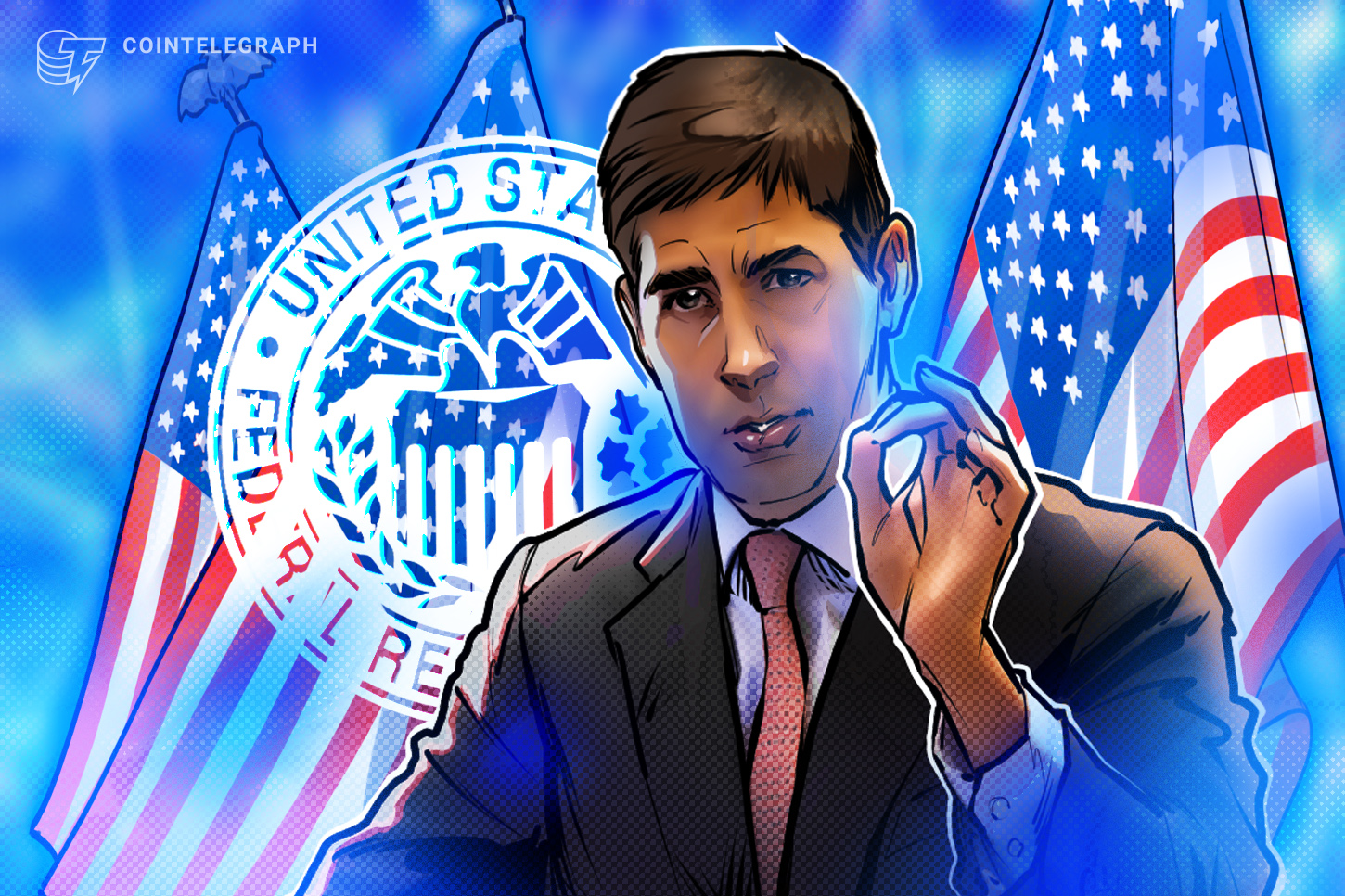
A Fed chair with crypto exposure is guiding monetary policy
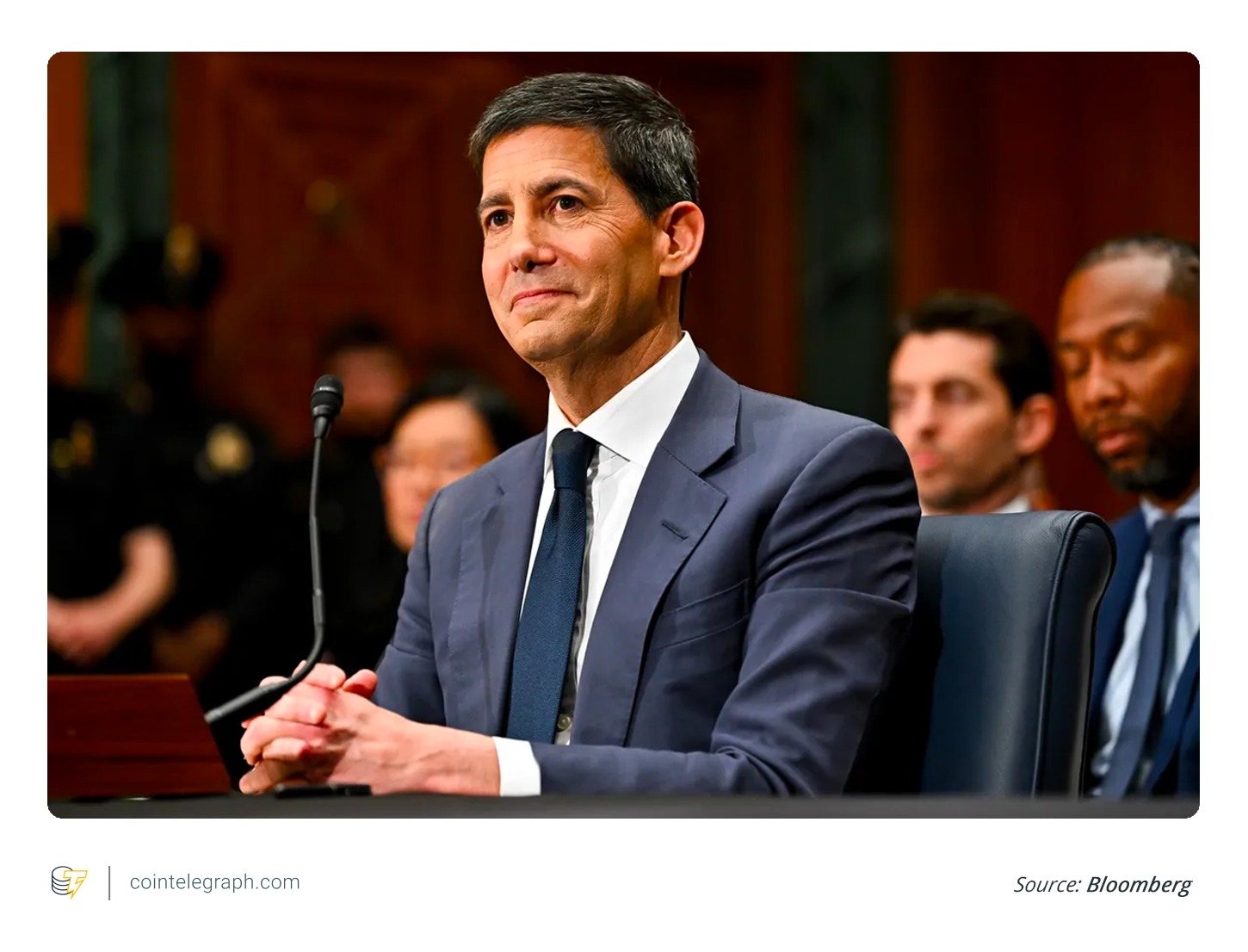
When market participants think about oversight of digital assets, attention usually turns to lawmakers, securities regulators and court rulings. Kevin Warsh, chair of the Federal Reserve, brings an unusual background for a central banker.
Financial disclosures filed before his appointment showed interests in crypto-related ventures through investment funds. These holdings drew attention because the Fed plays a key role in the global financial system. Its decisions affect interest rates, liquidity and banking supervision.
After assuming the role, Warsh was required to sell assets that could create conflicts of interest or raise doubts about his impartiality. The situation highlights a key point: The Fed chair does not need direct authority to regulate crypto to affect the sector.
Decisions on monetary policy, bank oversight and liquidity management can have as much influence on digital asset markets as new legislation.
Why Warsh was required to sell crypto and other assets
The Fed is expected to operate independently and maintain public confidence. As a result, its senior leaders must follow strict ethical standards that limit the assets they can hold while in office.
These rules were strengthened after public scrutiny of trading by some regional Fed officials during the COVID-19-era market volatility. The central bank later introduced stricter guidelines that barred top officials from owning individual stocks, cryptocurrencies, commodities, foreign currencies and other assets that could be affected by policy decisions.
Warsh’s divestment should not be seen as an admission of wrongdoing. Instead, it reflects the expectation that decision-makers must avoid both real conflicts and the appearance of conflicts.
In financial markets, appearances matter. Even if a policymaker says their judgment is unaffected, public trust can weaken if personal holdings appear likely to benefit from official actions. Divestment helps protect the institution’s credibility by reducing both real conflicts and the appearance of conflicts.
Did you know? A single Fed comment on interest rates, inflation or liquidity can affect crypto prices worldwide, even when no crypto-specific policy is discussed.
What Warsh’s crypto-related holdings included
Public records showed that Warsh’s involvement did not come mainly from direct ownership of major cryptocurrencies such as Bitcoin or Ether. Instead, it came largely through venture capital and fund investments tied to blockchain and crypto companies.
These stakes reportedly included areas such as decentralized finance (DeFi) infrastructure, Ethereum scaling solutions, Bitcoin Lightning Network projects and prediction market systems.
The exact financial exposure was hard to measure because private funds offer limited visibility. Still, the disclosures showed his connection to parts of the digital-asset sector that have become increasingly important.
For those following crypto, the main point was not the size of the holdings. It was their symbolic weight. The Fed chair had backed technologies that many policymakers are still trying to understand.
In office, individual exposure becomes an ethics issue rather than only an investment detail. The integrity of the institution must come before personal financial interests.
How the Fed affects crypto
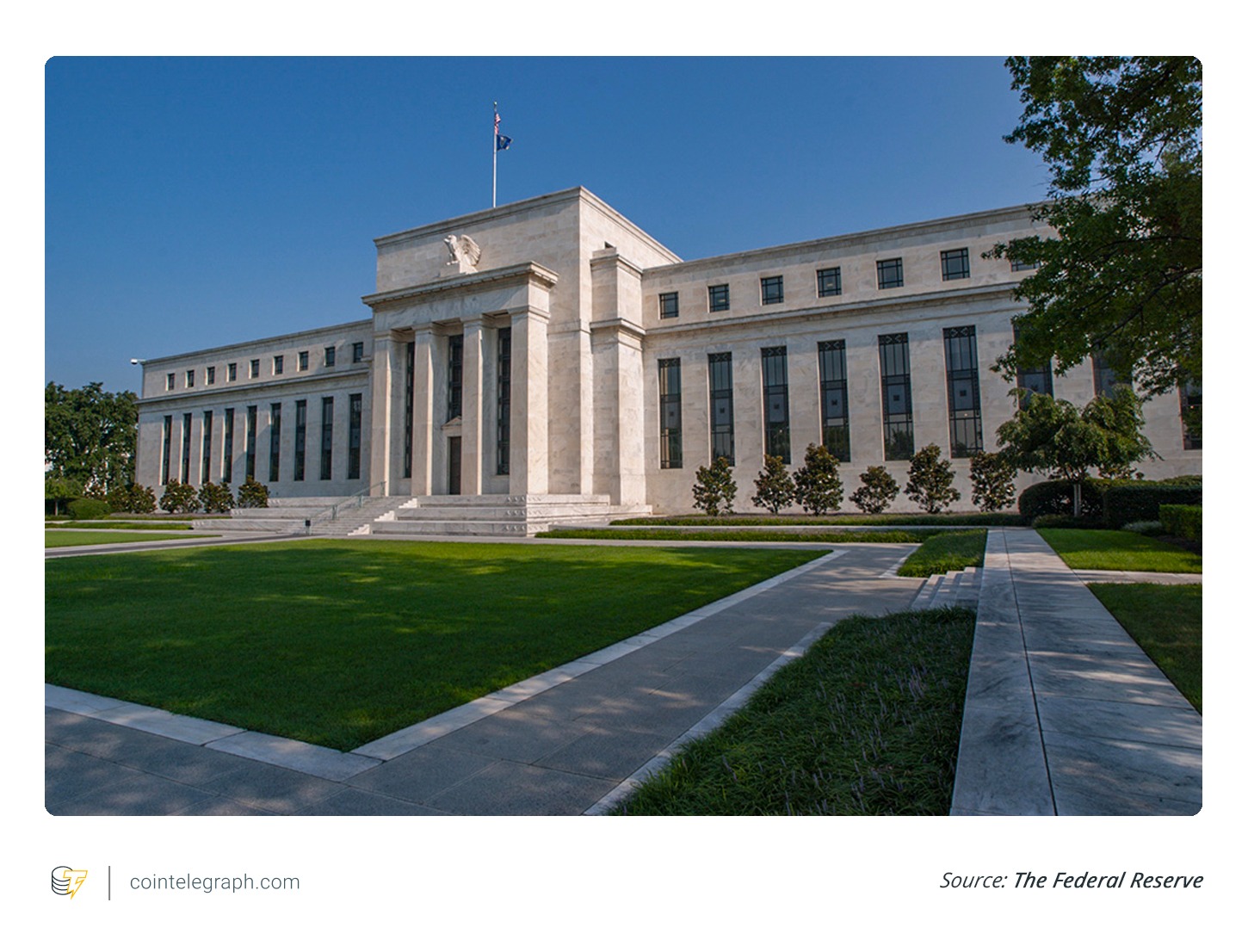
Financial regulators such as the Fed, the Securities and Exchange Commission (SEC) and the Commodity Futures Trading Commission (CFTC) play a central role in shaping the wider financial conditions in which crypto activity takes place.
The Fed sets key interest rates, which influence borrowing costs across the economy. It also affects liquidity in financial markets and oversees banks that work with crypto firms. In addition, it contributes to policies on payment systems and can influence how easily stablecoin issuers connect with traditional financial channels.
As a result, the Fed may not decide whether a specific token is a security. Still, it can strongly affect how willing investors are to take risks.
Why interest rates matter to the crypto sector
Digital asset markets have become highly sensitive to changes in interest rate expectations. When rates are very low and liquidity is strong, market participants tend to show more interest in high-risk assets. Venture funding becomes easier to secure, borrowing costs fall and investors become more willing to take risks.
When rates rise, the pattern often reverses. Higher returns on government securities and other traditional investments can reduce the appeal of high-risk opportunities. Capital may then move toward safer assets that offer more competitive yields.
This relationship explains why markets often react to Fed communications. Participants are not only reacting to current rate levels. They are also positioning for expected changes in future liquidity.
Information from Warsh’s confirmation hearings indicated that investors closely watched his views on central bank independence and interest rate strategy. Even small changes in expectations around future monetary policy can have noticeable effects across crypto markets.
Did you know? Unlike many retail investors who buy Bitcoin directly, some investors gain exposure indirectly through venture funds that invest in blockchain infrastructure and crypto-related startups.
Why Warsh’s inflation focus could matter for digital assets
Warsh has often raised concerns about inflation and criticized some past decisions by the Fed. For crypto investors, this view matters.
A Fed chair who strongly focuses on controlling inflation may be more likely to keep policy tight if price pressures continue. That stance could lead to higher interest rates or tighter financial conditions than markets expected.
In the near term, those conditions can create challenges for high-risk assets, including cryptocurrencies.
Yet inflation concerns have long been part of Bitcoin’s broader appeal to investors. Some market participants view it as a hedge against weaker purchasing power and rapid growth in the money supply.
This creates an interesting tension. Measures aimed at controlling inflation may weigh on crypto valuations in the short term. At the same time, ongoing inflation concerns may support longer-term demand for non-traditional stores of value.
The Fed balance sheet’s role in crypto markets
Interest rates often dominate financial news, but the Fed’s balance sheet can be just as important.
During quantitative easing, the central bank buys securities and expands its balance sheet. Investors often link these periods to higher liquidity and better performance for high-risk assets. By contrast, quantitative tightening reduces the Fed’s balance sheet and pulls liquidity out of the financial system.
Warsh has previously questioned large asset purchases and the growth of the central bank’s balance sheet. If his tenure brings a stronger push to reduce it, crypto market participants may watch these moves closely.
Liquidity does not directly control crypto prices. Still, many observers see Bitcoin and other digital assets as sensitive to changes in global liquidity. When liquidity tightens, high-risk holdings tend to face stronger selling pressure.
Stablecoins and banking access could become key areas of focus
The Fed’s role becomes more direct when stablecoins enter the discussion. Stablecoins depend heavily on traditional financial systems. Their issuers usually hold reserves in banks and rely on connections to payment networks and established institutions.
Although Congress may set the regulatory foundation for stablecoins, day-to-day operations often involve banking authorities and the Fed.
Under Warsh’s leadership, the Fed could affect the stablecoin sector through oversight, guidance and banking rules. Decisions on custody arrangements, reserve management, payment access and risk standards could all shape how quickly the sector develops.
These steps would not amount to direct crypto regulation. Still, they could have a real effect on how crypto companies operate.
Did you know? Despite its major influence on financial markets, the Fed mainly affects crypto through interest rates, banking oversight and liquidity, rather than token-specific rules.
Why Fed independence matters for crypto, too
Fed independence may seem like a concern only for traditional finance, but it also has consequences for digital assets.
Markets generally prefer central banks that base decisions on economic data instead of political pressure.
If investors believe monetary policy is influenced by politics, uncertainty tends to rise. This can affect Treasury yields, inflation expectations, currency values and overall market sentiment.
For some Bitcoin supporters, concerns about political interference in monetary policy strengthen the case for decentralized alternatives. For others, a trusted and independent central bank supports the stability that markets need.
In either case, views on Fed independence can shape the narratives that guide investment choices in both traditional and digital markets.
Warsh’s divestment leaves several questions unanswered
Warsh’s asset sales address immediate concerns over potential conflicts of interest, but they do not end public scrutiny.
Questions may arise about transparency, the strength of disclosure requirements and how officials should manage complex investment vehicles. Holdings in private funds, venture capital and indirect stakes can be difficult for the public to fully assess.
These questions go beyond Warsh and the crypto sector. They are part of wider debates about ethical standards, transparency and accountability among senior government officials.
The key point is that these discussions should not automatically be seen as signs of misconduct. In most cases, they focus on maintaining public confidence and institutional trust, rather than making claims of unethical conduct.
What crypto investors should watch next
Instead of focusing only on Warsh’s earlier investments, crypto market participants may benefit more from tracking his policy decisions.
Key areas to watch include:
- Upcoming interest-rate decisions and Fed forecasts
- Comments on inflation and broader economic conditions
- Policies on quantitative tightening and balance-sheet management
- Banking guidance that affects stablecoins and crypto asset custody
- Moves in Treasury yields and the strength of the US dollar
- Remarks on payment infrastructure and financial innovation
These factors could have a greater influence on crypto asset prices than any personal holdings disclosed before Warsh took office.
Subscribe to daily byte-sized crypto news from Cointelegraph
Cointelegraph publishes long-form journalism, analysis and narrative reporting produced by Cointelegraph’s in-house editorial team with subject-matter expertise. All articles are edited and reviewed by Cointelegraph editors in line with our editorial standards. Some articles contain affiliate links, from which Cointelegraph may earn a commission. These relationships do not influence which products we review or our editorial conclusions. Content published in here does not constitute financial, legal or investment advice. Readers should conduct their own research and consult qualified professionals where appropriate. Cointelegraph maintains full editorial independence.
More on the subject