


 Written by Amin Haqshanasstaff writerEdited by Bryan O'Sheastaff editor
Bessent ramps up pressure on Congress to pass CLARITY Act
Latest NewsPublishedApr 9, 2026
US Treasury Secretary Scott Bessent said the CLARITY Act is vital to setting clear rules for crypto, tokenized assets and decentralized exchanges, and that US leadership is at stake.

US Treasury Secretary Scott Bessent has asked Congress to pass the Digital Asset Market Clarity (CLARITY) Act without delay, warning that Senate floor time is limited and now is the moment to act.
In a Wall Street Journal op-ed on Wednesday, Bessent said the legislation is critical for providing clear regulatory rules for digital assets, including cryptocurrencies, tokenized assets and decentralized exchanges. He warned that with the global crypto market rising to $3 trillion and nearly one in six Americans holding digital assets, the stakes for US leadership in financial innovation are higher than ever.
“To preserve it and rise to the challenge before us, Congress must pass the Clarity Act. Senate floor time is scarce, and now is the time to act,” he wrote.
The US House of Representatives passed the CLARITY Act in July 2025, but the legislation has been repeatedly met with delays in the Senate over how stablecoin yields would be treated under the legislation.
Traditional financial institutions have warned that stablecoin yields could significantly reduce bank lending, while industry advocates argue they are essential to unlock innovation and keep the US competitive.
Related: Chainalysis claims stablecoin volumes could reach $1.5 quadrillion by 2035
White House supports stablecoin yields
On Wednesday, a report by White House economists challenged claims by banking groups that stablecoin yields significantly threaten traditional lending, arguing that banning yields on stablecoins would have a minimal impact on bank lending.
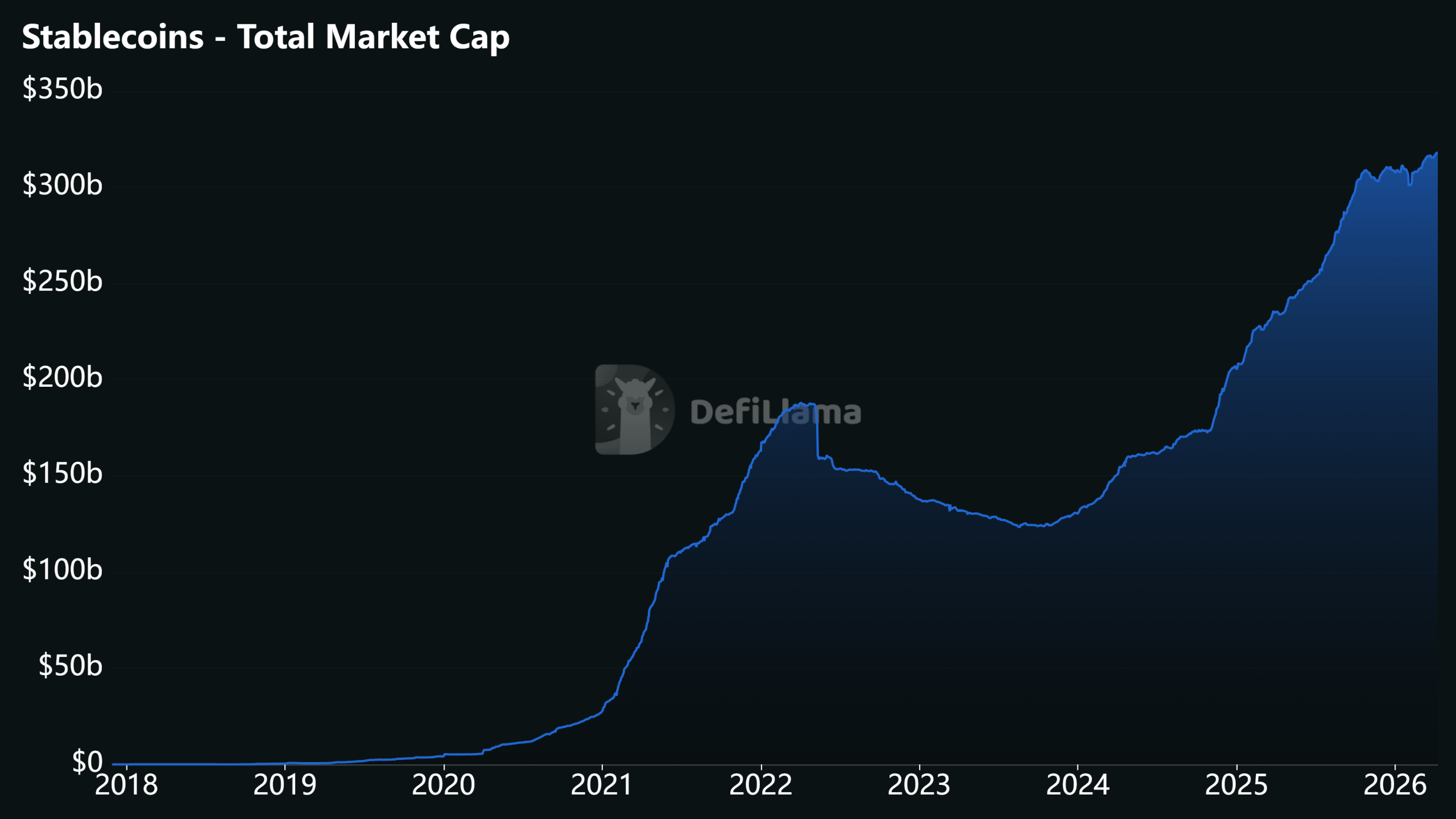
Stablecoin market cap. Source: DefiLlama
The Council of Economic Advisers estimated that banning stablecoin yields would lift total US bank lending by only $2.1 billion, or 0.02% of the $12 trillion market, with community banks gaining just $500 million. On the other hand, they found that such a ban would impose an $800 million annual welfare loss per year due to lost yield for users.
President Donald Trump has slammed banks for obstructing crypto legislation, arguing they are using stablecoin yield disagreements to hold the CLARITY Act and GENIUS Act “hostage.”
Related: Dubai clarifies token issuance rules for RWAs and stablecoins
Treasury proposes stricter AML rules for stablecoin issuers
On Wednesday, the Treasury proposed new rules under the GENIUS Act requiring payment stablecoin issuers to implement Anti-Money Laundering and Counter-Terrorism Financing programs. The framework would mandate sanctions compliance and give issuers the authority to block, freeze or reject certain transactions, treating them as financial institutions under the Bank Secrecy Act.
Industry experts say the move effectively turns stablecoin issuers into bank-like gatekeepers. Snir Levi, CEO of blockchain intelligence firm Nominis, told Cointelegraph that compliance could lead to significantly more wallet freezes, transaction blocking and asset seizures at scale.


Subscribe to daily byte-sized crypto news from Cointelegraph
Cointelegraph is committed to independent, transparent journalism. This news article is produced in accordance with Cointelegraph’s Editorial Policy and aims to provide accurate and timely information. Readers are encouraged to verify information independently.
More on the subject