


 Written by Nate Kostarstaff writerEdited by Robert Lakinstaff editor
Blockchain.com, KuCoin expand payment rails across emerging markets
Latest NewsPublishedJun 24, 2026
Blockchain.com launched a Brazil-focused payments platform for businesses, while KuCoin expanded integrations with banking and mobile-money networks across Mexico, Bangladesh and Zambia.
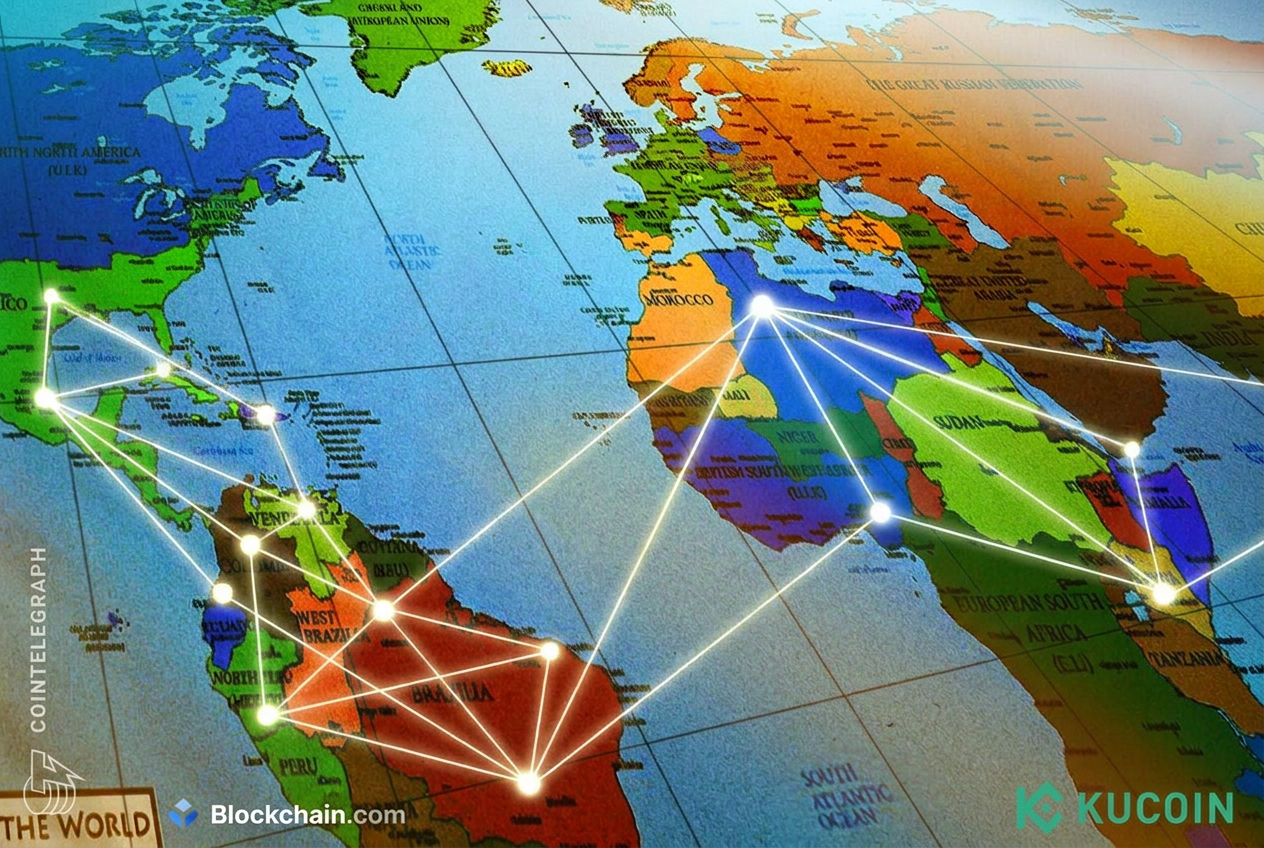
Crypto exchanges Blockchain.com and KuCoin rolled out new payment services on Wednesday that connect digital assets with local financial infrastructure in several emerging markets.
Blockchain.com said it launched a Brazil-focused payments platform for institutional clients that uses USDC (USDC) and USDt (USDT) to support cross-border treasury operations, supplier payments and payroll. The company said the service is designed to give businesses a faster and lower-cost alternative to traditional international wire transfers.
KuCoin, meanwhile, expanded its payment network across Mexico, Bangladesh and Zambia, adding support for Mexico's SPEI banking system, Bangladesh's bKash and Nagad mobile payment platforms, and mobile-money networks operated by MTN and Airtel in Zambia.
KuCoin said the integrations are intended to make it easier for users to move digital assets through payment systems already widely used for remittances, merchant transactions and peer-to-peer transfers. Unlike Blockchain.com's Brazil offering, which targets businesses managing treasury and international payment flows, KuCoin's rollout is focused on consumer-facing payment networks.
Related: Bitso brings peso-backed MXNB stablecoin to XRP Ledger via Ripple partnership
Stablecoins power cross-border commerce in emerging markets
In a recent report, Latin American exchange Bitso said stablecoin transaction volume among institutional clients grew 81% year-on-year in the first half of 2026, driven by growing use of blockchain-based settlement, treasury management and cross-border liquidity services.
The report also found that financial institutions accounted for more than 60% of new business clients added during the period, suggesting banks and payment providers are increasingly incorporating stablecoin rails into existing financial operations.
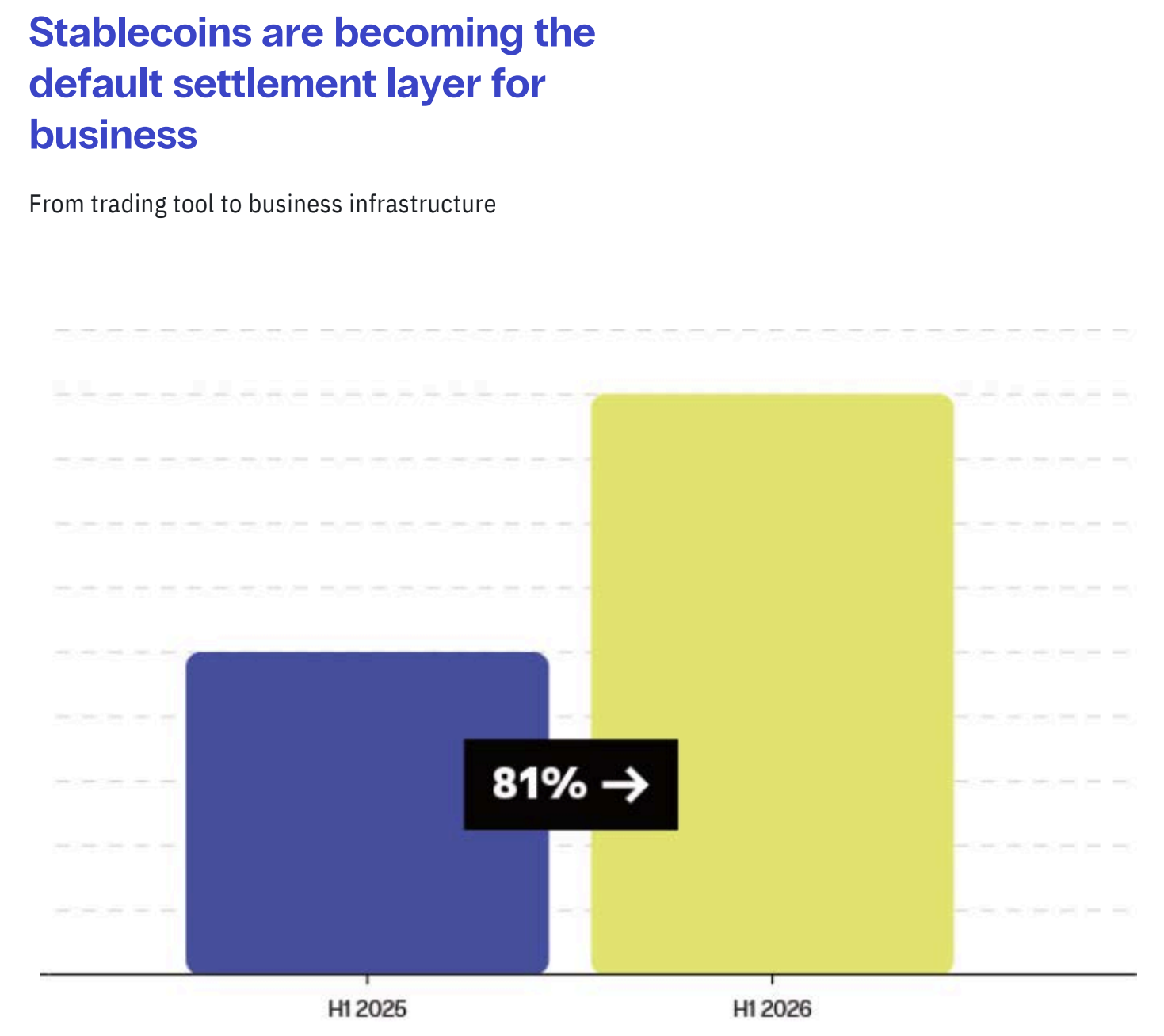
Bitso's "Stablecoin Landscape in Latin America report for the first half of 2026." Source: Bitso
The trend extends beyond Latin America. In a September 2025 report on crypto adoption in Sub-Saharan Africa, Chainalysis said stablecoins are frequently used in high-value trade flows between Africa, the Middle East and Asia, including multi-million-dollar transfers supporting sectors such as energy and merchant payments.
Companies are investing in infrastructure to support that growth. Last week, Trace Finance raised $32 million to expand its cross-border settlement network across Latin America, the United States and Asia-Pacific. The company said it had processed more than $10 billion in transaction volume and would use the funding to expand infrastructure connecting blockchain-based payments with local banking and foreign-exchange networks.
Despite growing adoption, regulatory questions remain. In May, Brazil's central bank prohibited the use of virtual assets in certain regulated cross-border payment services, reinforcing requirements that Electronic Foreign Exchange providers settle transactions through supervised foreign-exchange channels.
Magazine: AI is banking the unbanked in Africa… faster than crypto


Subscribe to daily byte-sized crypto news from Cointelegraph
Cointelegraph is committed to independent, transparent journalism. This news article is produced in accordance with Cointelegraph’s Editorial Policy and aims to provide accurate and timely information. Readers are encouraged to verify information independently.
More on the subject